

In today's business environment, where information is created and shared at an unprecedented pace, implementing strategies to manage it effectively has become a top priority. Organizations seeking to improve their competitiveness and strengthen internal processes recognize that efficient document management is essential to achieving these goals. Understanding how to leverage document management to optimize your business provides a strategic advantage by improving productivity, reducing operational costs, and ensuring that information is always accessible when needed.
Document management goes far beyond simply storing files. It encompasses a complete set of processes designed to control the document lifecycle, from creation to final disposition, ensuring that both physical and electronic records are organized, classified, preserved, and retrieved efficiently. This comprehensive approach enables organizations to build a more structured information management system while supporting their digital transformation initiatives.
According to the guidelines of the National Archives of Colombia (Archivo General de la Nación), proper document organization is essential for preserving institutional memory and ensuring timely access to information. Likewise, international standards such as ISO 15489, published by the International Organization for Standardization (ISO), establish fundamental principles for effective records management across all types of organizations.
Understanding the Importance of Document Management
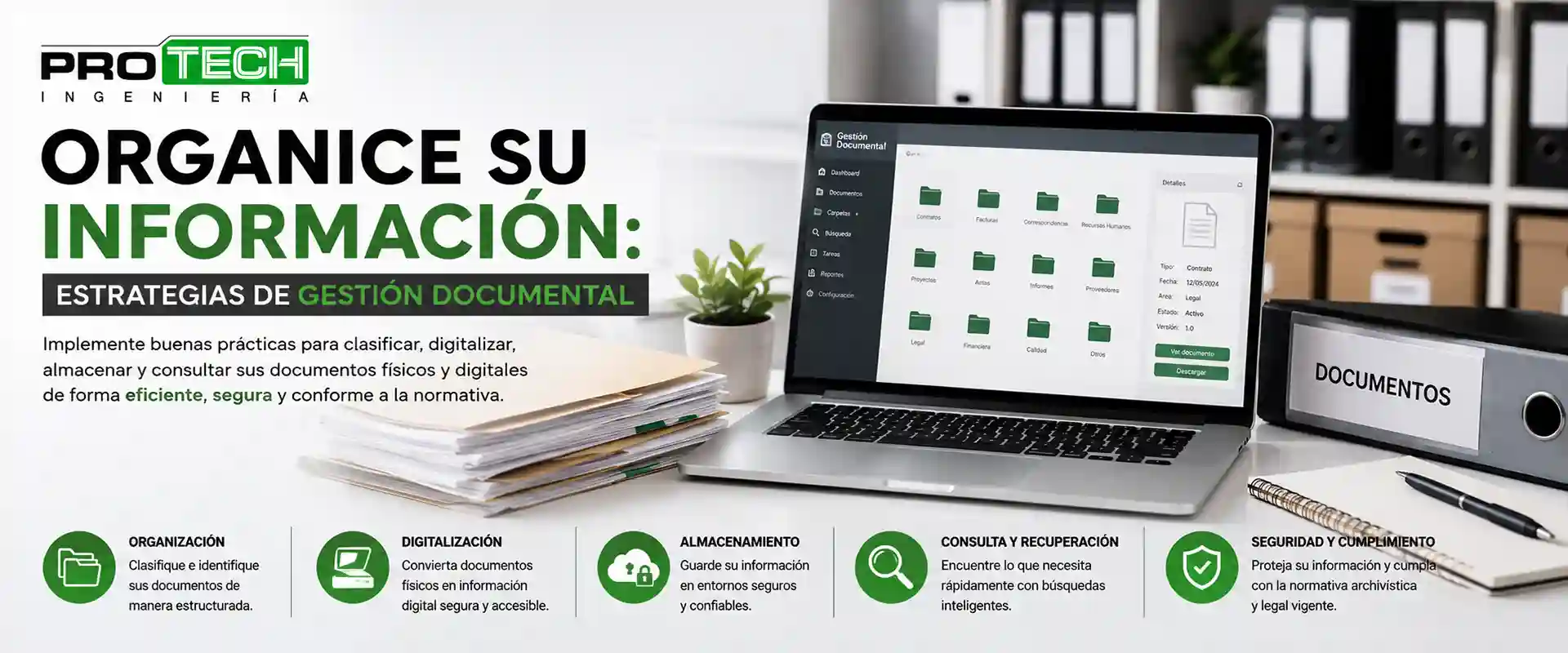
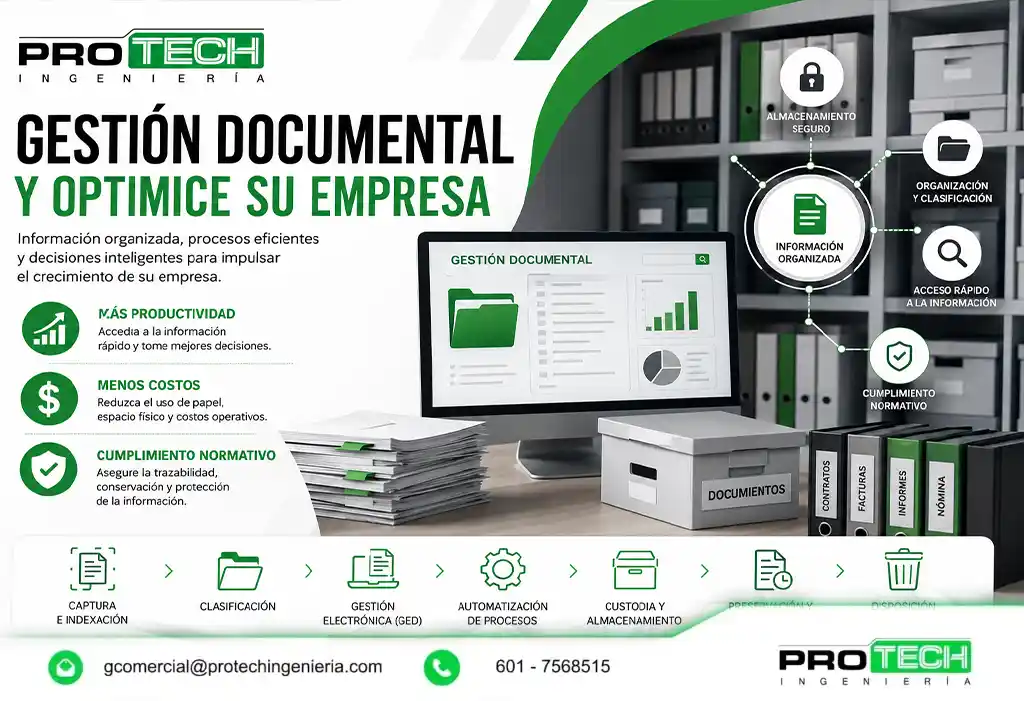
Document management encompasses a comprehensive set of processes designed to control, organize, and manage information efficiently. These processes include data capture, document classification, document storage, and document retrieval for both physical and digital records.
Technological advancements have accelerated the transition from traditional paper-based systems to more dynamic and efficient electronic document management solutions. This evolution enables organizations to access information instantly, reduce search times, and improve their ability to respond to operational needs.
For this reason, organizations seeking to implement strategies that leverage document management to optimize their business should adopt a comprehensive approach that covers every aspect of document administration. Key services include:
- Digitization of physical documents for integration into digital environments.
- Document classification based on record series, subseries, and document types.
- Document indexing to facilitate information search and retrieval.
- Automation of document workflows.
- Secure storage in physical or digital repositories.
- Document storage and custody with advanced security and access control measures.
- Controlled access to files and records.
- Long-term information preservation.
- Final disposition of records in compliance with applicable regulations.
The integration of these services enables organizations to effectively manage the entire document lifecycle while improving operational efficiency and strengthening organizational performance.
Key Components of an Effective Document Management System
A successful strategy to leverage document management and optimize your business should include several essential components that ensure the security, accessibility, and integrity of organizational information.
Secure Storage
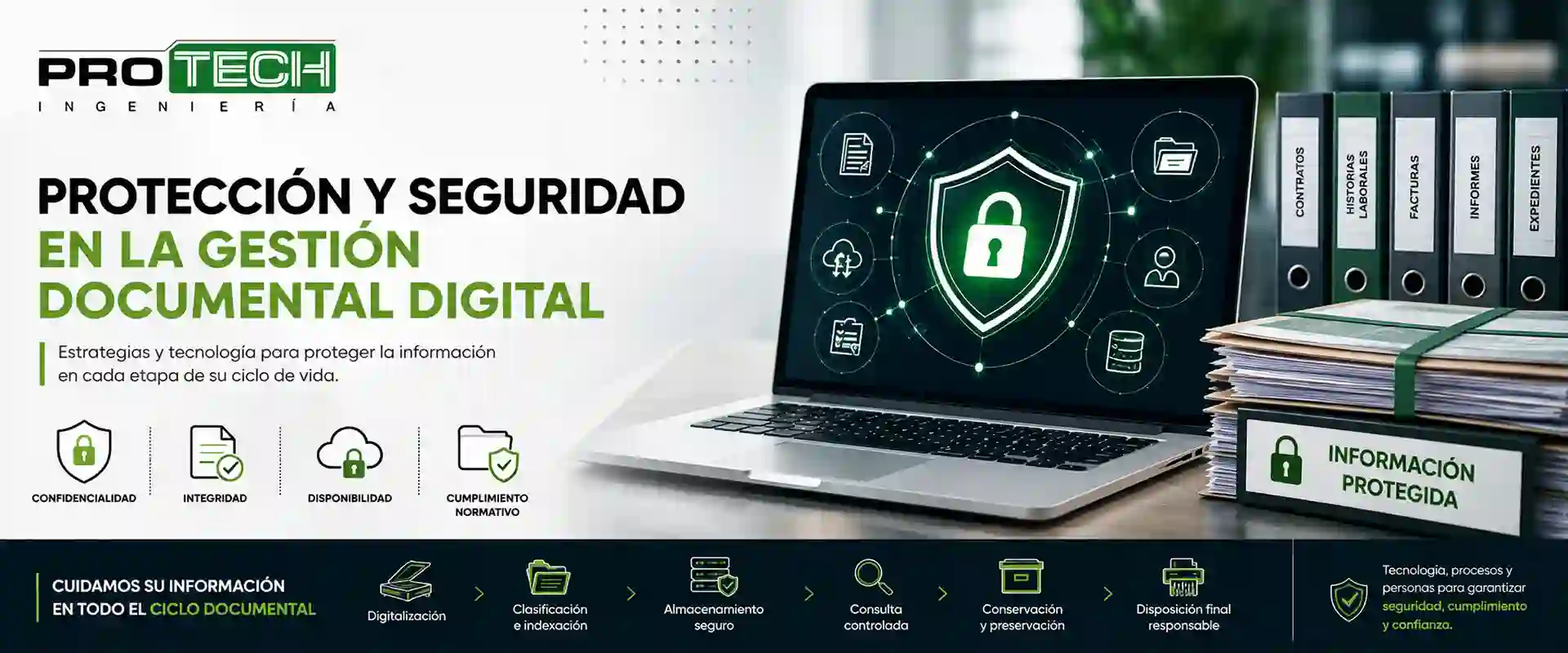
Document protection is one of the fundamental pillars of any document management system. Both physical and electronic records must be safeguarded against loss, deterioration, and unauthorized access.
For digital repositories, it is essential to implement access controls, backup systems, and encryption mechanisms to ensure the confidentiality and security of information.
Organization and Classification
Document classification makes it easier to locate records while maintaining a logical and consistent organizational structure. This process relies on record series, subseries, document types, and document retention schedules to ensure efficient management and compliance with applicable regulations.
Fast Access to Information
One of the primary goals of document management is to ensure that information is readily available whenever it is needed. Electronic document management platforms enable users to locate records within seconds through advanced search and indexing capabilities.
Regulatory Compliance
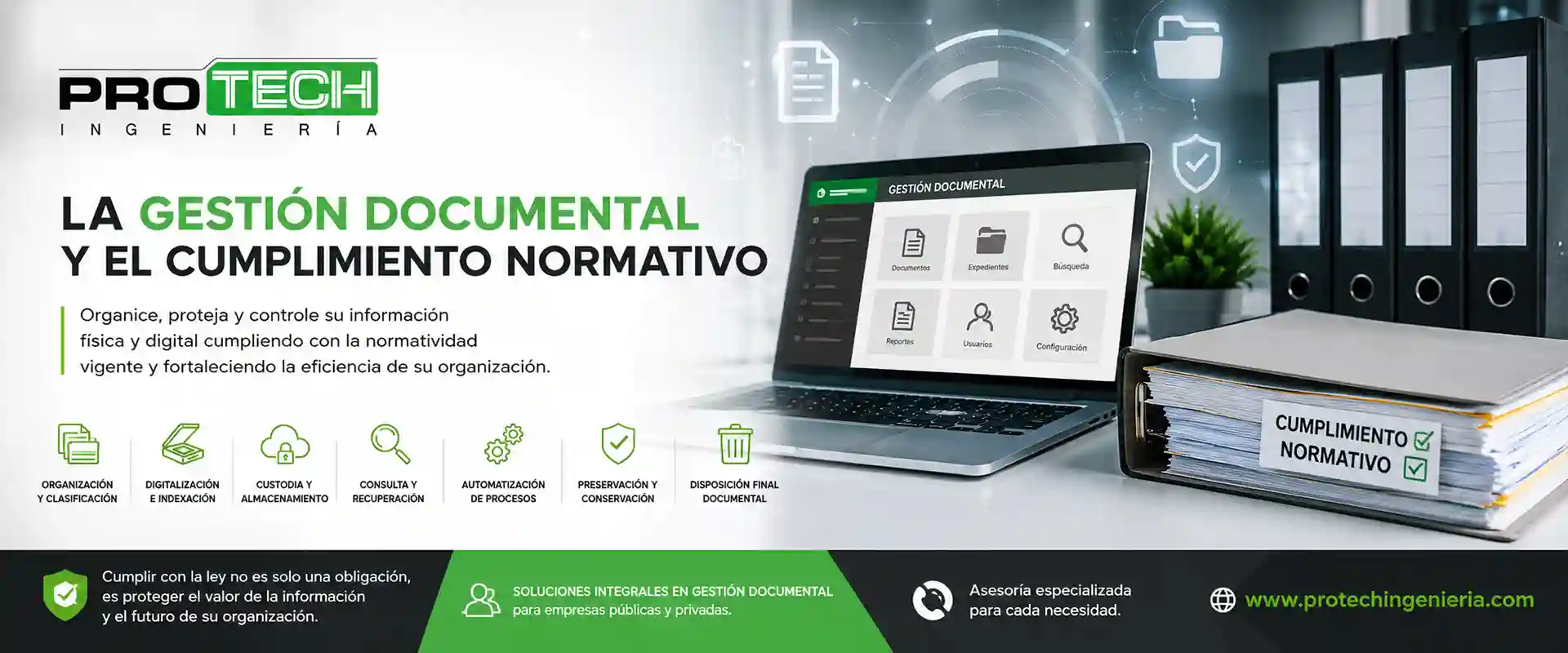
Organizations must ensure that their document management practices comply with all applicable legal and regulatory requirements. This includes compliance with standards related to document retention, security, data protection, and the final disposition of records.
Benefits of Implementing an Efficient Document Management Strategy
Organizations that strengthen their document management processes gain significant advantages across multiple areas. Effective information management has a direct impact on productivity, operational efficiency, and an organization's ability to respond quickly to business needs.
Increased Productivity
One of the most significant benefits of implementing strategies that leverage document management to optimize your business is increased employee productivity.
When information is well organized and easily accessible, employees spend less time searching for documents and can focus on higher-value activities. Advanced search tools and instant document retrieval systems improve collaboration across teams while reducing operational delays.
Immediate access to accurate and up-to-date information also supports better decision-making by providing managers and employees with the reliable data they need to perform their responsibilities efficiently.
Reduced Operational Costs
Modern document management significantly reduces the costs associated with traditional paper-based filing systems.
Document digitization decreases the use of paper, ink, and other printing supplies while minimizing the need for large physical storage spaces.
In addition, specialized document storage and custody services and electronic repositories help optimize resources by providing secure, controlled environments for preserving valuable records.
As a result, organizations can redirect financial resources toward growth initiatives, innovation, and long-term business development.
Strengthened Regulatory Compliance
Regulatory compliance is another major benefit of an effective document management strategy. Organizations must meet specific requirements related to document retention, traceability, and information protection.
Modern document management systems simplify audits and make it easier to demonstrate compliance with internal policies and external regulations. This reduces the risk of penalties while promoting greater transparency in information governance.
The proper implementation of document preservation, conservation, and final disposition processes ensures that records are managed in accordance with the requirements established by applicable regulatory authorities.
Transform Your Information into a Competitive Advantage
Information is one of the most valuable assets of any organization. However, when documents are scattered, disorganized, or difficult to locate, they become an obstacle to productivity, operational efficiency, and business growth.
Start today!
Your information deserves to be organized, protected, and readily available whenever you need it most. Now is the time to optimize your processes and unlock the full value of your document management strategy.