


In today's environment, where information is growing exponentially and business operations increasingly rely on data, Document Classification 2026 has become a fundamental element for ensuring efficient, secure, and well-structured document management. Whether dealing with physical or digital records, organizations need to implement clear strategies that organize information logically, making it easier to retrieve and control throughout the entire document lifecycle.
Document Classification 2026 not only addresses an operational need but also supports regulatory and compliance requirements. Organizations such as the General Archive of the Nation of Colombia establish guidelines that help organizations properly manage their records, reinforcing the importance of adopting structured models aligned with official standards.
Definition of Document Classification
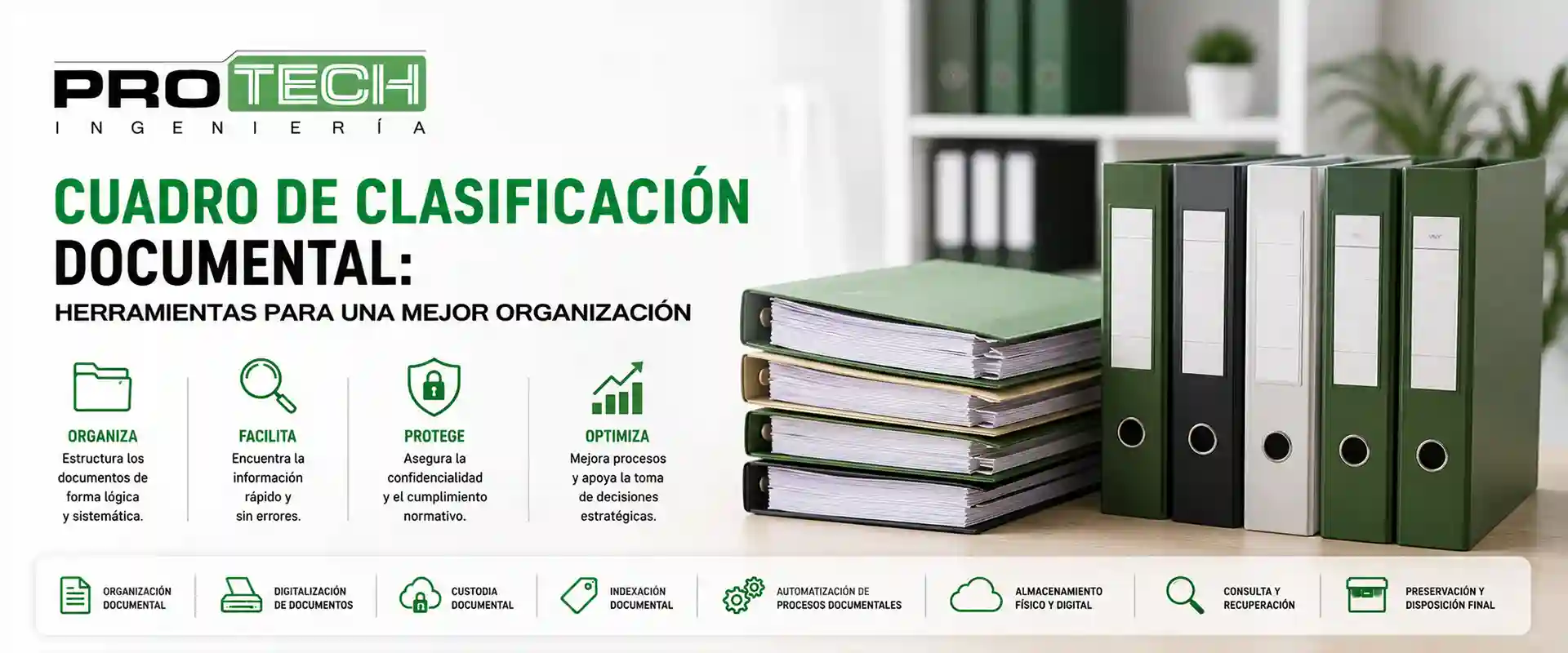
Document Classification 2026 can be understood as the process by which documents are organized, grouped, and structured according to predefined criteria, with the purpose of optimizing their access, retrieval, and management. This practice establishes a logical order within large volumes of information, ensuring that each document has a clear location and a well-defined context within the document management system.
In this regard, Document Classification 2026 is directly integrated with key document management services, such as document digitization, document indexing, specialized document storage, document custody, process automation, and document retrieval. Each of these services depends heavily on proper document classification to operate efficiently and seamlessly.
Furthermore, document classification can be structured based on multiple variables, such as document type, responsible department, confidentiality level, creation date, or the administrative, legal, and historical value of the information. This flexibility enables Document Classification 2026 to adapt to different industries and organizational needs.
For more information on international standards related to document management, you can consult UNESCO, which promotes best practices for the preservation and accessibility of information.
Types of Document Classification
Within Document Classification 2026, there are several methodologies that allow information to be organized according to the specific needs of each organization. These classification methods are not mutually exclusive and, in many cases, can be combined to achieve better results.
Alphabetical classification organizes documents based on names or keywords, making them easier to locate when managing records related to individuals or organizations. Chronological classification, on the other hand, structures documents according to time, making it especially useful for administrative and legal processes where maintaining a timeline is essential.
Likewise, numerical classification assigns specific codes to each document, allowing seamless integration with document automation systems and digital indexing solutions. Finally, subject-based classification groups documents according to categories or topics, facilitating the retrieval and analysis of related information.
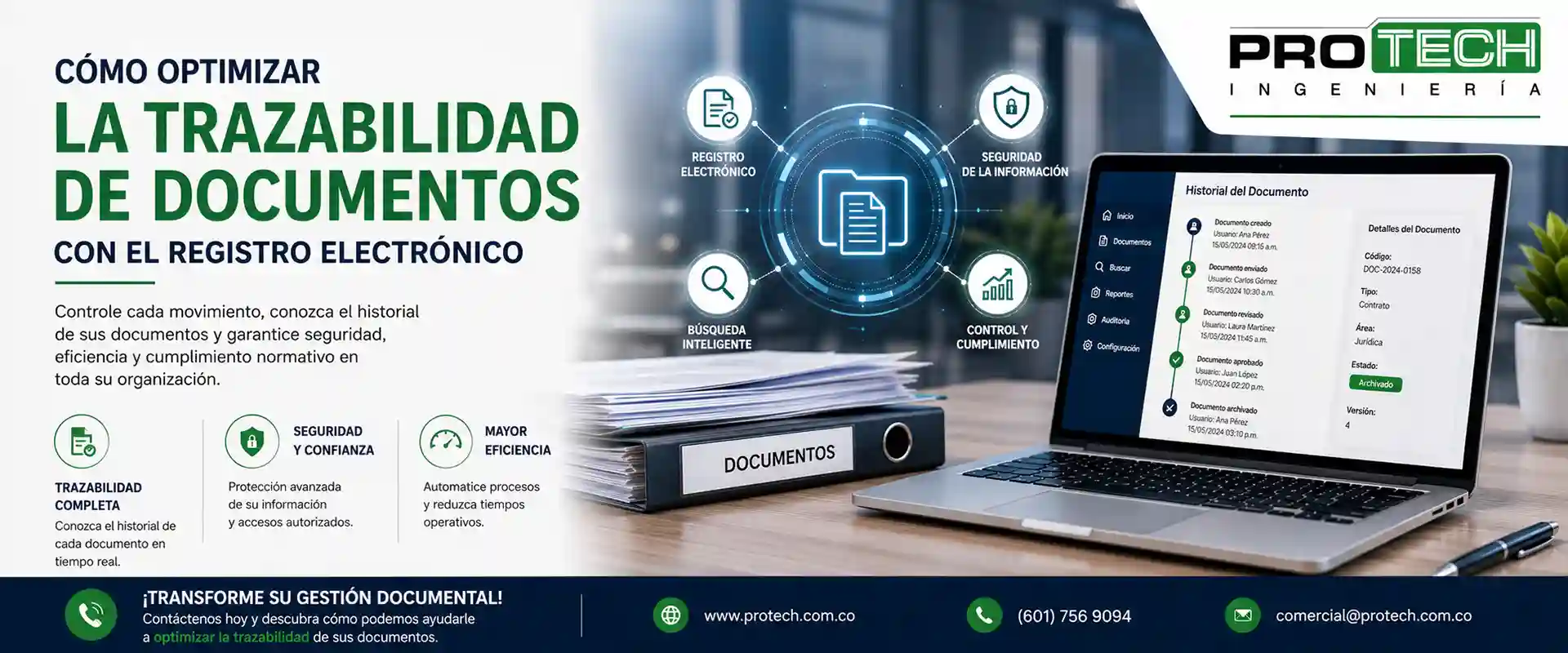
As part of Document Classification 2026, these methodologies are enhanced by advanced technologies such as Document Management Systems (DMS), which automate the organization, search, and retrieval of digital records, helping organizations optimize their business processes.
The Importance of Document Classification 2026 in Document Management
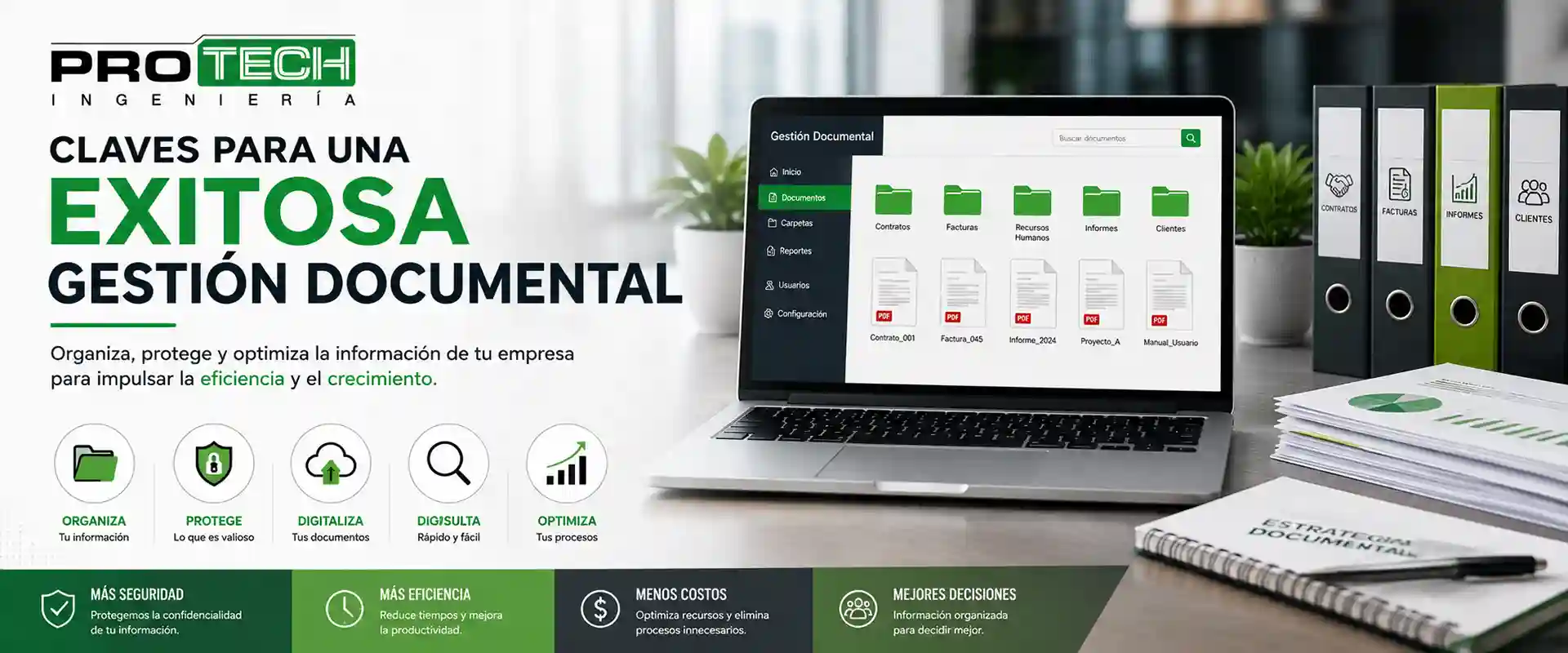
Implementing Document Classification 2026 has a direct impact on an organization's operational efficiency. A well-structured classification system significantly reduces the time spent searching for information, allowing employees to focus on strategic, high-value activities.
In addition, Document Classification 2026 strengthens security by enabling organizations to establish appropriate access controls based on the confidentiality level of each document. This is particularly important in today's environment, where data protection is a top priority and regulations enforced by authorities such as Colombia's Superintendence of Industry and Commerce require organizations to manage information responsibly.
Another key benefit is its role in document preservation. Proper classification makes it easier to identify records that must be retained for the long term, as well as those that can be securely disposed of according to document retention schedules. This process is directly linked to services such as document custody and secure document disposal, ensuring compliance with internal policies and external regulatory requirements.

Benefits of Effective Document Classification
Document Classification 2026 offers numerous benefits that positively impact both daily operations and an organization's overall strategy. One of the primary advantages is increased productivity, as employees can quickly access the information they need to perform their tasks efficiently.
It also enhances collaboration across departments by providing structured and organized access to documents. This is particularly valuable in digital environments where multiple users interact with the same information in real time.
From a physical records perspective, Document Classification 2026 optimizes storage space by reducing unnecessary document accumulation and facilitating better organization within archives or document storage facilities. In digital environments, it enables a more efficient structure for document repositories, resulting in systems that are more scalable and easier to manage.
Additionally, document consistency is another key benefit. With a standardized classification system in place, any member of the organization can quickly understand the organizational structure and filing logic, making employee training more efficient and simplifying the onboarding process for new team members.
Implementing Document Classification 2026
To successfully implement Document Classification 2026, organizations should follow a series of steps that ensure its effectiveness and long-term sustainability. The first step is to conduct a comprehensive document inventory, identifying the nature, purpose, and value of each record within the organization.
Next, clear classification criteria should be established and aligned with the organization's business needs. These criteria must be easy to understand and consistently applicable to both physical and digital records, ensuring a comprehensive document management strategy.
The next step is to implement a labeling or coding system that simplifies document identification and retrieval. This system should integrate with document indexing and workflow automation processes to improve efficiency and streamline information management.
Employee training is another essential component of Document Classification 2026. Staff members should understand not only how the classification system works but also the importance of applying it consistently and accurately. This ensures successful adoption and the effective use of the document management tools implemented.
To learn more about digital transformation and information management, organizations can consult the official website of Colombia's Ministry of Information and Communications Technologies (MinTIC), which provides key strategies and resources for business modernization.
Challenges of Document Classification 2026
Despite its many advantages, Document Classification 2026 presents several challenges that organizations must address effectively. One of the most significant is employee resistance to change, as staff members may find it difficult to adapt to new processes, workflows, or technologies.
Another major challenge is resource availability. Implementing Document Management Systems (DMS), document digitization processes, and document custody services may require a significant investment. However, these costs should be viewed as a long-term investment that delivers greater efficiency, enhanced security, and regulatory compliance.
Ongoing maintenance is another important challenge associated with Document Classification 2026. Classification systems must be regularly updated to accommodate new records, organizational changes, and technological advancements. This requires periodic audits, continuous improvements, and system adjustments to ensure long-term effectiveness.
Best Practices for Document Classification 2026
To ensure the success of Document Classification 2026, organizations should adopt best practices that strengthen its implementation. One of the most important is keeping the classification system simple, avoiding overly complex structures that make it difficult for users to understand and maintain.
Regular reviews are essential for evaluating the system's effectiveness and making any necessary adjustments. Encouraging employee participation also improves adoption and enriches the process by incorporating different perspectives and practical insights.
Integrating technology is another key best practice. Document Management Systems (DMS), together with document digitization, workflow automation, and indexing solutions, help optimize document classification while improving the speed and accuracy of information retrieval.
Within this framework, Document Classification 2026 should be viewed as a core component of a broader document management ecosystem that includes services such as document storage, document retrieval, digital preservation, physical records custody, and secure document disposal. This comprehensive approach enables organizations to manage their information strategically while aligning with business objectives and the demands of today's regulatory and digital environment.
As technology and regulatory requirements continue to evolve, Document Classification 2026 will continue to adapt by incorporating new methodologies and innovative tools that strengthen document management practices across all levels of an organization.
Transform Your Document Management and
Take Your Organization to the Next Level
Optimize your organization's information management today by implementing a robust Document Classification 2026 strategy. Don't let disorganized records, lost information, or compliance risks impact your operational efficiency and decision-making.
Start today!
Investing in a comprehensive Document Classification 2026 strategy means investing in your organization's long-term sustainability, competitiveness, and growth.