

In today's environment, where information moves at an unprecedented pace, data protection and document management have become one of the strategic pillars of any organization that handles sensitive information. The way a company manages its documents—whether physical or digital—largely determines its level of security and the trust it builds with customers and business partners. This article explores how to achieve truly effective document management, the services it encompasses, the regulations that govern it, and the best practices organizations should adopt to ensure the integrity and confidentiality of their information.
The Importance of Data Protection Throughout the Document Lifecycle
Data protection and document management go beyond simply complying with regulations; they also represent an ethical commitment to the individuals whose data is being processed. Digital records—and, in many cases, physical documents as well—contain personal, financial, and strategic information that, if managed improperly, can result in serious and irreversible consequences for the organizations involved.
One of the most critical elements within the document lifecycle is document classification. When an organization fails to distinguish between publicly accessible records and documents containing confidential information, it creates vulnerabilities that can lead to unauthorized access. Establishing a clear classification system that identifies different sensitivity levels and defines who is authorized to access each type of document is the first step toward effectively reducing this risk.
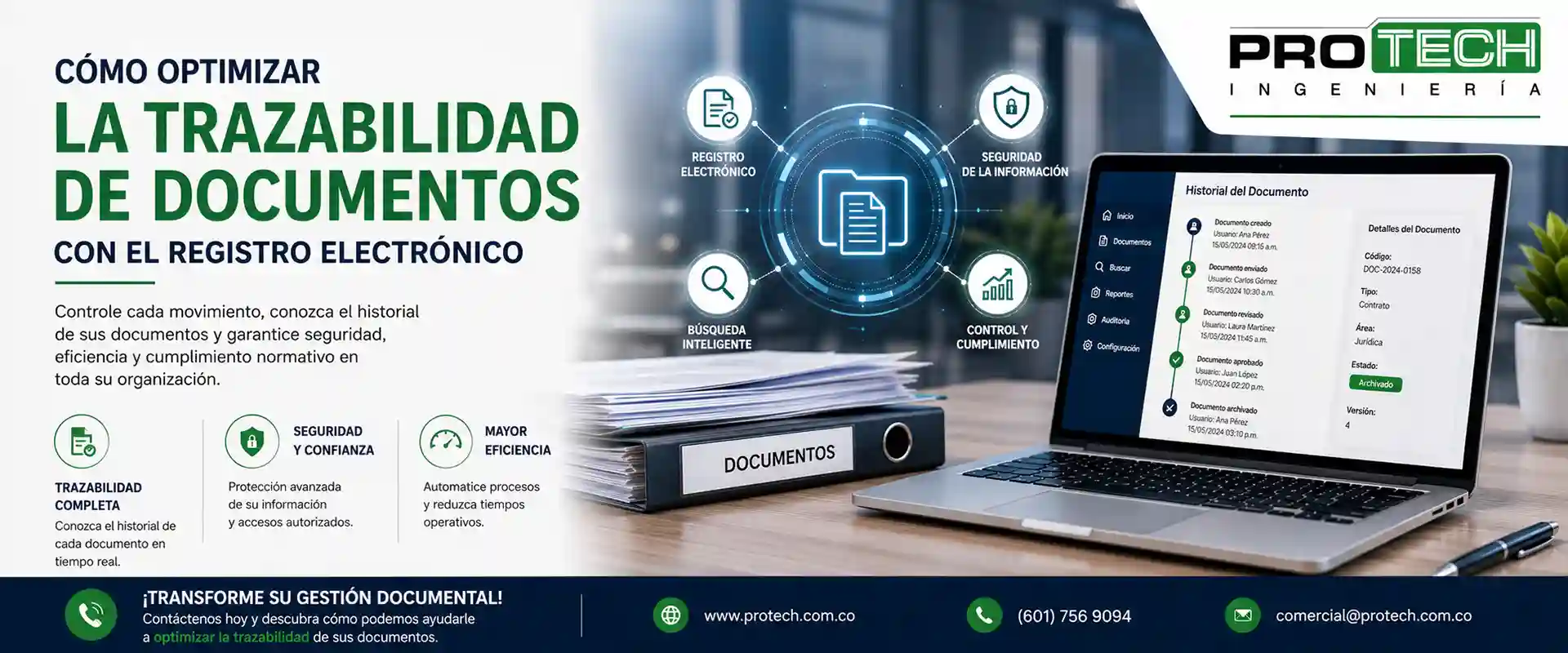
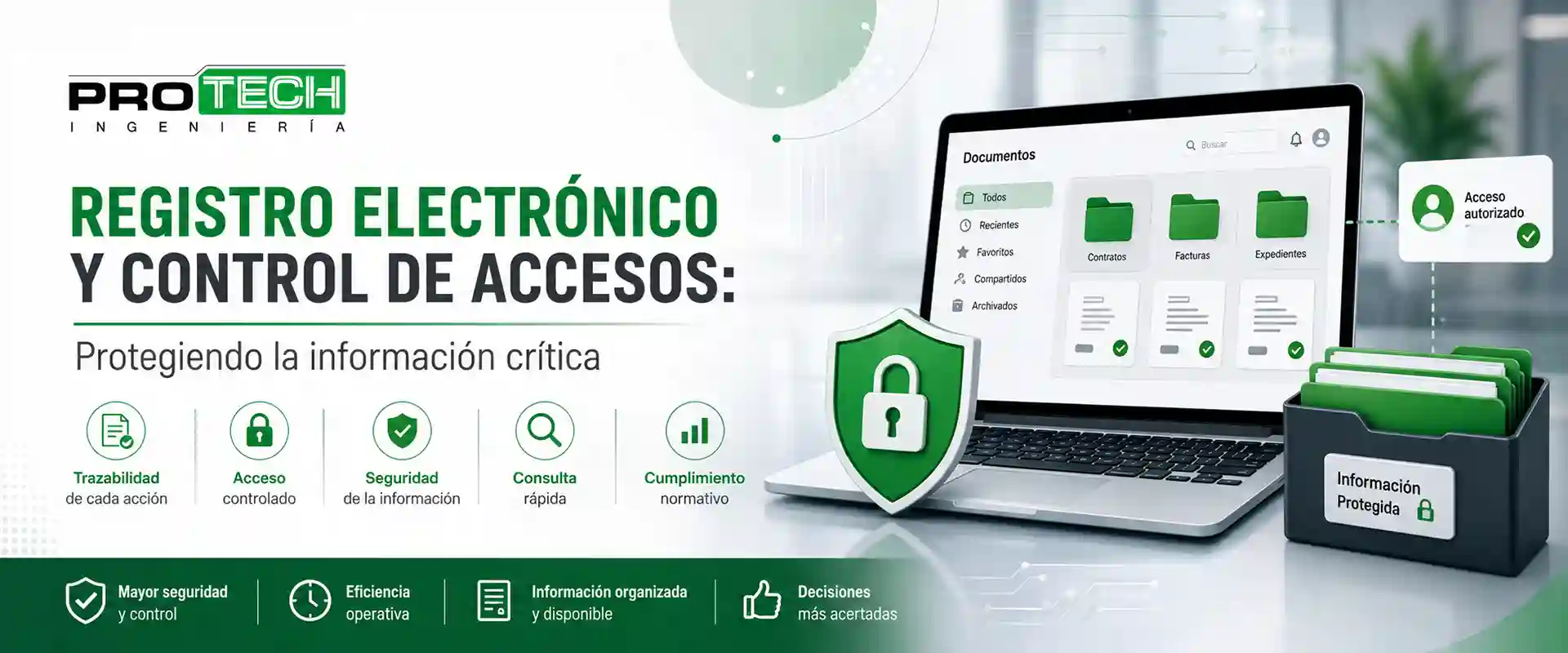
Another essential component is document traceability, which enables organizations to accurately track who accessed a document, when it was accessed, and what actions were performed. In addition to being a requirement under many regulatory frameworks, this practice enhances internal transparency and strengthens external trust. As a result, document management services are fundamental components of any robust information management system.
The Regulatory Framework: A Fundamental Reference for Document Management
Global and Regional Regulations
Regulations governing the processing of personal data have become increasingly important in recent years. The General Data Protection Regulation (GDPR) of the European Union and the various data protection laws in force across Latin America, such as Law 1581 of 2012 in Colombia—enforced by the Superintendence of Industry and Commerce (SIC)—establish clear guidelines on how personal data must be collected, stored, accessed, and disposed of. Both regulatory frameworks require not only appropriate security measures but also transparency regarding how personal information is processed.
The GDPR, in particular, requires organizations to implement technical and organizational security measures that are proportionate to the risks associated with processing specific categories of personal data. Penalties for non-compliance can be substantial, making data protection and document management not only a legal obligation but also an operational necessity. As a result, organizations must thoroughly understand these regulations and translate them into practical, enforceable document management policies.
Fundamental Principles Applied to Document Management
Several GDPR principles have a direct impact on how documents are organized and managed:
- Informed consent: Personal data may only be collected when the data subject has provided explicit and verifiable consent.
- Data minimization: Only the data that is strictly necessary to fulfill a specific purpose should be collected and retained.
- Restricted access: Access to personal information should be limited to individuals who have a legitimate reason to view it.
- Transparency: Individuals have the right to know how their data is used, how long it will be retained, and for what purposes.
These principles are not merely theoretical; they are applied throughout every stage of the document lifecycle, from the initial indexing and classification of documents to their custody and retrieval.
Complying with these regulations generates benefits that extend beyond legal compliance: it strengthens an organization's reputation and fosters stronger business relationships built on trust. To achieve this, it is essential to conduct regular audits that verify the actual level of regulatory compliance and identify potential issues before they become significant problems.
Key Document Management Services for Data Protection
Effective data protection and document management rely on an integrated set of services that cover every stage of the document lifecycle. Understanding and implementing these services correctly is essential to ensuring information security.
Document Digitization
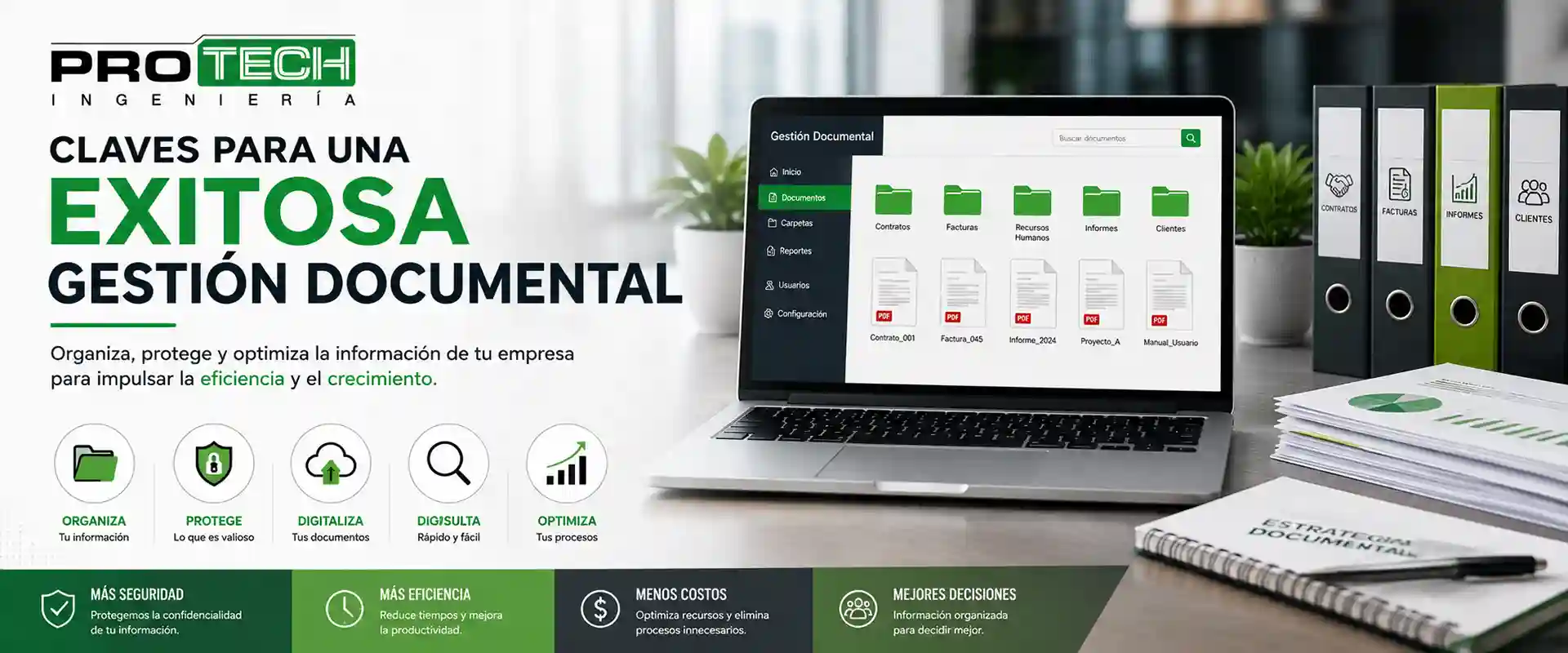
Converting physical document collections into digital formats is one of the first steps toward modern and secure information management. Digitization not only reduces reliance on paper and frees up physical storage space, but also enables centralized access, applies electronic security measures, and facilitates information retrieval. This process is carried out using high-resolution scanners combined with Optical Character Recognition (OCR) technology, which converts text images into searchable and indexable content.
However, digitization is not simply scanning: it requires the definition of protocols that ensure the quality and accuracy of the resulting documents. Likewise, it is essential to apply measures such as file encryption to protect digital documents from unauthorized access, both during the conversion process and during subsequent storage.
Document Indexing and Classification
Indexing is the process by which metadata and descriptors are assigned to each document, allowing it to be located quickly and accurately. Proper document classification by type, date, responsible department, confidentiality level, or other criteria is essential for operational efficiency and for compliance with privacy regulations.
Without a well-structured indexing system, document retrieval becomes slow and prone to errors, increasing the risk that sensitive information may be exposed or accessed by unauthorized individuals.
Document Custody
Document custody refers to the physical or digital safeguarding of records for the period established by legal regulations or internal organizational policies. This service ensures that documents are preserved under appropriate conditions of security, accessibility, and preservation, whether in specialized facilities or in cloud storage environments with strict access controls.
Custody must also include clear procedures for controlled access to records, logging of consultations, and management of retention periods, making it a central component of any data protection and document management strategy.
Secure Storage and Cloud Management
Document storage, both on physical servers and cloud platforms, must comply with high security standards. This includes applying encryption at rest and in transit, using multi-factor authentication for access, and defining roles and permissions that restrict who can view, edit, or delete each type of document.
The Spanish National Cybersecurity Institute (INCIBE) and similar organizations in other countries publish updated guidelines on best practices for secure information storage, which can serve as a reference for designing appropriate internal policies.
Automation of document processes
Automation is one of the most significant advances in the field of document management. It makes it possible to eliminate repetitive manual tasks such as the initial classification of incoming documents, sending expiration alerts, or generating audit reports, thereby reducing the likelihood of human error and accelerating workflows.
When combined with artificial intelligence, automation also enables the identification of patterns in data behavior, detection of unusual access activity, and anticipation of potential risks before they materialize. This preventive capability is especially valuable for organizations that handle large volumes of sensitive information.
Document Retrieval
An efficient document management service must ensure that records can be retrieved quickly, accurately, and securely. Retrieval systems should include advanced search mechanisms, metadata-based filters, and access controls that prevent unauthorized users from accessing confidential information during the retrieval process.
The speed of document retrieval also has a direct impact on an organization’s ability to respond to legal requirements, external audits, or requests from data subjects.

Document Management Systems (DMS): The Technological Core
A Document Management System (DMS) is the technological tool that integrates all the previously mentioned services into a single platform. It enables efficient document storage, classification, version control, and retrieval, while also offering advanced features such as version tracking, audit logging, and granular permission management.
Implementing a DMS not only optimizes internal operations but also directly supports compliance with data protection and document management regulations by providing automated control mechanisms that reduce reliance on manual processes. Additionally, it enhances collaboration between teams, as documents are available in real time with the assurance that users are always accessing the most up-to-date version.
The Human Factor: Training and Organizational Culture
No technological solution is sufficient if the personnel who operate it are not properly trained. Continuous education in data protection and document management is essential so that all members of the organization understand the risks associated with improper handling of information and know how to respond to them.
Training programs should cover both operational procedures—how to classify a document, how to report an incident, how to manage a data access request—and the ethical and legal principles that support them. According to the Spanish Data Protection Agency (AEPD), staff awareness is one of the most decisive factors in preventing security breaches related to personal data processing.
Building an organizational culture that prioritizes information security also requires senior management to take an active and visible role in enforcing document policies. When leadership demonstrates a genuine commitment to data protection and document management, it creates a legitimizing effect that encourages the adoption of best practices at all levels of the organization. Employees should feel empowered to report vulnerabilities, suggest improvements, and disclose incidents without fear of retaliation.
Trends Transforming Data Protection and Document Management
Artificial Intelligence Applied to the Document Lifecycle
Artificial intelligence-based technologies are redefining how documents are managed and how information is protected. Automatic classification systems, semantic content analysis, and real-time anomaly detection are among the most promising applications of AI in the document management field.
Thanks to these advances, organizations can not only manage their documents more efficiently, but also anticipate risks, identify suspicious access patterns, and make informed decisions regarding information retention or deletion. The combination of AI with traditional document management services such as digitization, custody, indexing, and automation creates an intelligent document ecosystem that maximizes both operational efficiency and data security.
Security as a Structural Component
As organizations advance in their digital transformation, cybersecurity ceases to be an additional layer and becomes a structural component of data protection and document management. Investing in tools such as next-generation firewalls, endpoint detection and response (EDR/XDR) systems, and continuous monitoring solutions is essential to protect the environments where documents are stored and processed.
The defense-in-depth approach, which layers multiple security controls throughout the entire document lifecycle, is the most widely recommended model by information security experts. This model includes everything from staff training to file encryption, as well as network segmentation and privileged access management. Organizations such as the European Union Agency for Cybersecurity (ENISA) regularly publish technical recommendations that can guide organizations in designing effective document security strategies.
Protect Your Company’s Information with Secure and Efficient Document Management
Implementing data protection and document management strategies not only allows organizations to properly organize and preserve records, but also helps reduce risks, optimize processes, and improve overall business productivity.
Start today!
At Protech Ingeniería, we have the experience and technology needed to help you protect your data and transform your document management.