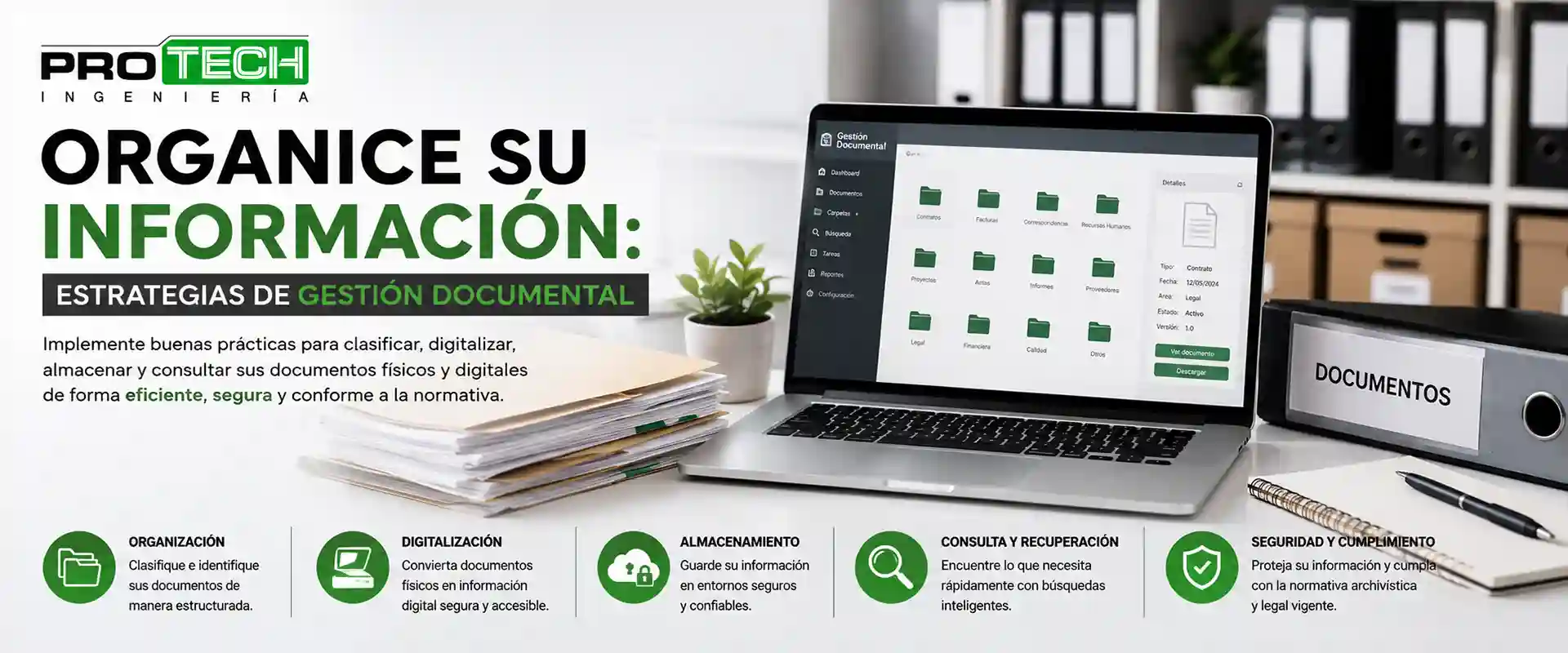


Efficient information management has become a strategic factor for any modern organization. In this context, applying techniques to improve document management is essential to ensure that documents, both physical and digital, are properly organized, protected, and easily accessible. As companies generate large volumes of information, implementing techniques to improve document management helps optimize internal processes, strengthen information control, and support better decision-making.
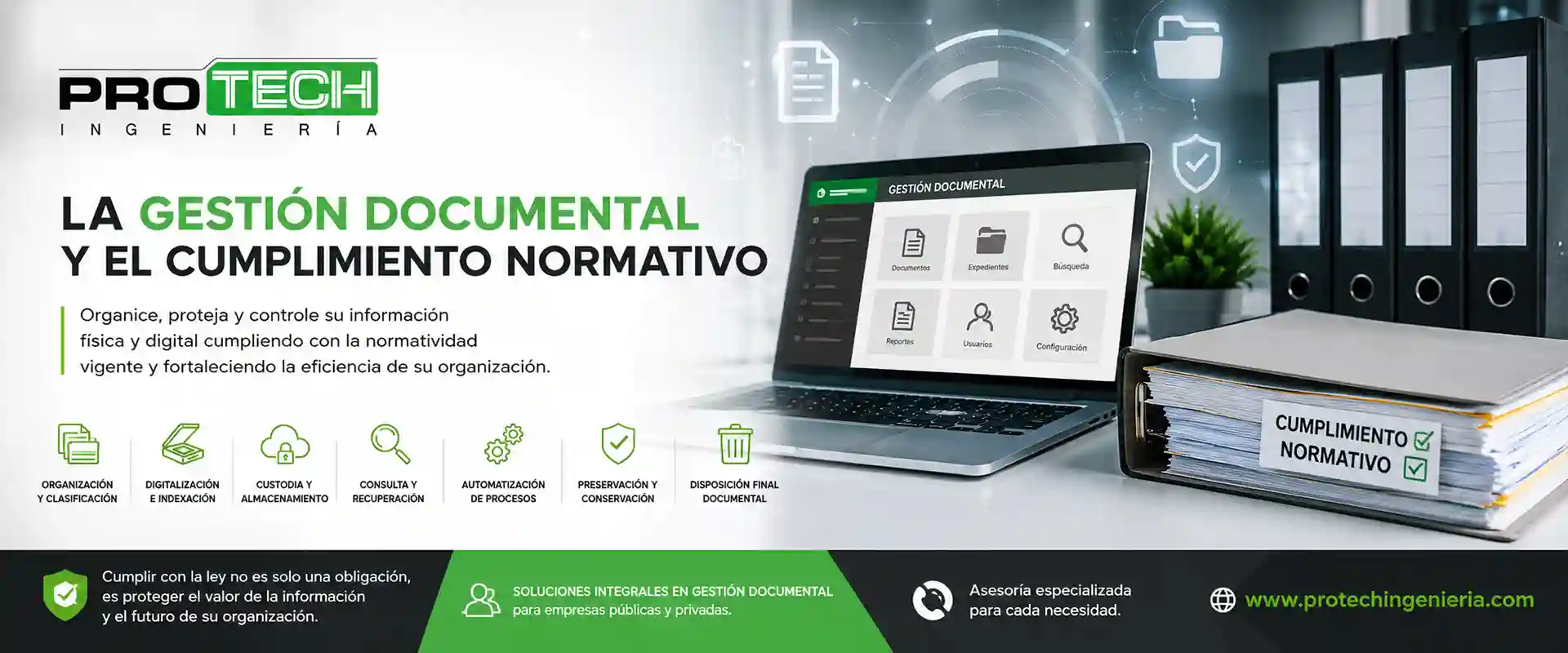
Techniques to improve document management are not limited to simply organizing folders or storing documents in computer systems. In fact, they are part of a comprehensive approach that includes specialized services such as document digitization, document inventory, document custody, indexing, classification, storage, consultation, process automation, preservation, and final disposition of documents. These services make it possible to manage the entire information lifecycle within organizations.
According to institutional entities such as the General Archive of the Nation of Colombia, proper document organization helps preserve institutional memory and ensures timely access to both public and private information. For this reason, more and more companies are implementing techniques to improve document management as part of their administrative efficiency strategies.
The Importance of Document Management in Organizations
Document management involves much more than simply storing documents. It is a structured system that integrates data capture processes, classification, digitization, storage, and information retrieval. In this context, applying techniques to improve document management allows organizations to manage documents throughout their entire lifecycle, from creation to final disposition.
Organizations that develop comprehensive document management models significantly improve their productivity. When files are properly organized, employees can locate information more quickly, avoiding operational delays and reducing administrative errors. This type of organization also facilitates compliance with legal regulations related to data protection and document preservation.
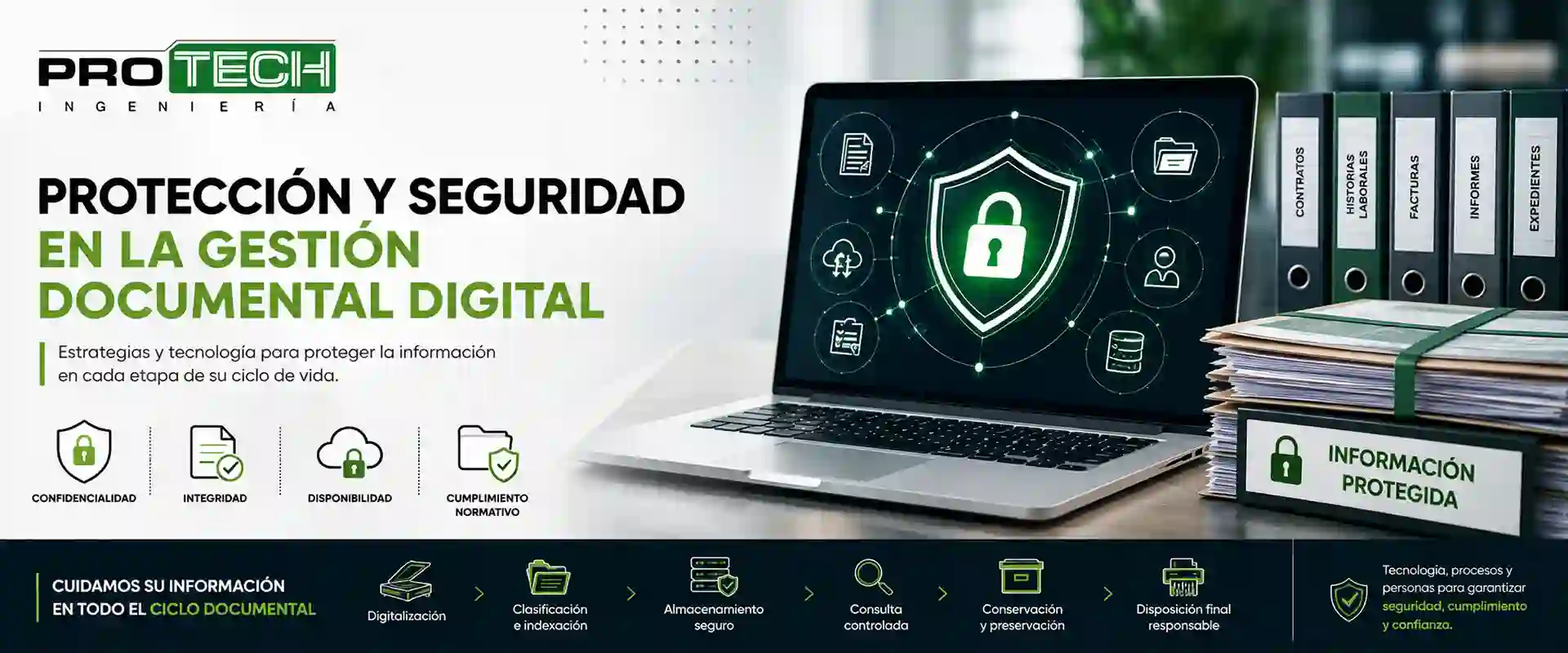
Additionally, a well-structured document management system also protects information against unauthorized access, loss, or improper alterations. Modern systems allow tracking the history of access, modifications, and consultations for each document, which is especially useful during internal audits or institutional control processes.
Document Classification as the Foundation of Archival Organization
Among the main techniques to improve document management, document classification represents one of the most important processes. This procedure consists of organizing documents according to logical criteria that facilitate their location, retrieval, and consultation.
Classification can be carried out using different methods depending on the type of organization and the volume of documents being managed. Some of the most commonly used methodologies include:
Alphabetical Classification
This system organizes documents according to names, companies, or entities. It is widely used for managing client files, suppliers, or business correspondence. Implementing this technique helps maintain a clear structure within both physical and digital archives.
Numerical Classification
Classification based on codes or identification numbers is common in sectors such as finance, legal, or healthcare. Each file is assigned a unique number that facilitates its control and tracking within the document management system.
Chronological Classification
This method arranges documents according to their date of creation or receipt. It is especially useful for managing correspondence, contracts, or administrative records that require chronological tracking.
Thematic Classification
Documents are grouped based on their content or area of activity. This technique makes it easier to access information related to specific projects, departments, or business lines.
The implementation of these strategies is an essential part of techniques to improve document management, as it allows archives to be structured coherently and facilitates access to information at any time.
Document Management Systems and File Automation
Another key technique to improve document management is the implementation of specialized technological platforms known as Document Management Systems (DMS). These tools make it possible to manage large volumes of information through automated processes that optimize the storage, indexing, and retrieval of documents.
Document management systems integrate multiple services related to file administration, including:
- High-volume document digitization.
- Indexing and metadata capture.
- Automation of document workflows.
- Version control.
- Access and permission management.
- Digital file consultation.
- Integration with enterprise platforms.
The adoption of these technological solutions allows organizations to apply techniques to improve document management more efficiently, especially in environments that handle large amounts of information.
In addition, international organizations such as the International Organization for Standardization have established standards related to document management, such as the ISO 15489 standard, which provides guidelines for the efficient management of documented information.
Document Digitization as a Strategic Tool
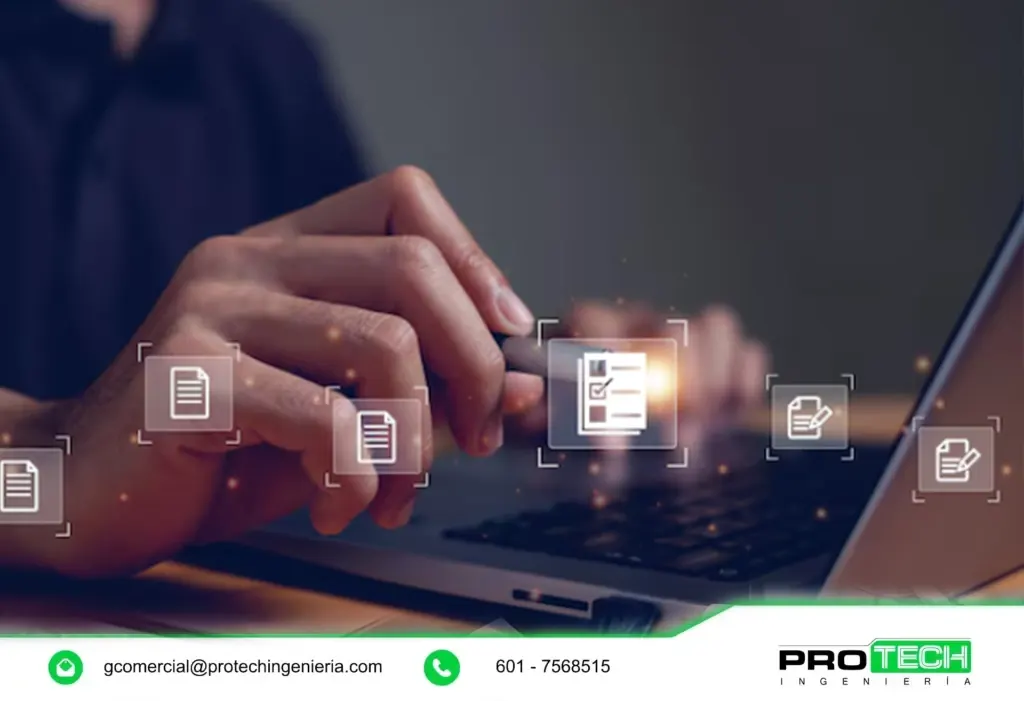
Within the techniques to improve document management, document digitization plays a key role. This process involves converting physical files into digital formats through specialized scanning, allowing information to be preserved and easily accessed electronically.
Digitization offers multiple benefits for organizations:
First, it reduces the need for physical storage space. Large volumes of paper documents can be transformed into digital repositories accessible from any authorized location.
Second, it significantly improves information retrieval times. Thanks to indexing systems and data recognition technologies, users can locate specific documents in a matter of seconds.
Third, it strengthens collaboration among work teams. Digitized documents can be securely shared across different departments or locations, eliminating the limitations of physical archives.
Implementing digitization processes is an integral part of techniques to improve document management, as it modernizes information administration and enables immediate access.
Document Custody and Secure Storage
Another key dimension within techniques to improve document management is document custody. This service involves the secure preservation of physical documents in specialized facilities designed to guarantee their long-term protection.
Companies that provide document custody services have infrastructures adapted to preserve archives under controlled conditions of temperature, humidity, and physical security. Additionally, they implement inventory and identification systems that allow any stored file to be quickly located.
Document custody is also complemented by services such as consultation, loan, and on-demand digitization, enabling organizations to access their documents without the need to maintain large internal archives.
In this way, custody becomes one of the most widely used techniques to improve document management for both public and private entities seeking to optimize the administration of their information.
Review Processes and Continuous Improvement in Archives
Document management should be understood as a dynamic process that requires periodic reviews to remain efficient. For this reason, another key technique to improve document management is the regular evaluation of filing systems to identify potential areas for improvement.
Document audits make it possible to detect duplicate records, obsolete files, or inefficient classification processes. Based on these analyses, organizations can optimize their archiving methods and strengthen their document management policies.
These reviews also help ensure compliance with regulations related to document retention and personal data protection, such as those overseen by entities like the Superintendence of Industry and Commerce of Colombia.
Maintaining a culture of continuous improvement in archival processes significantly contributes to consolidating techniques to improve document management within the organizational structure.
Staff Training in Document Management
The implementation of techniques to improve document management also depends on the level of knowledge and training of the personnel responsible for managing information.
Organizations that invest in document management training are able to develop teams capable of correctly applying archival methodologies, using specialized technological tools, and ensuring compliance with internal document management policies.
Training programs may include topics such as:
- Archival regulations.
- Document digitization and capture.
- Document indexing and classification.
- Automatización de flujos decoumentales.
- Information security.
- Gestión del ciclo de vida documental
Additionally, continuous training allows organizations to stay up to date with new technologies and trends in information management.
For this reason, ongoing training becomes a key element in consolidating techniques to improve document management within modern institutions.
Strengthen Your Organization’s Efficiency with Strategic
Document Management
Optimizing information management is a strategic decision for any organization seeking to improve operational efficiency, strengthen document control, and ensure compliance with current regulations.
Start today!
Having specialized advisory services in archival techniques to improve document management makes it possible to identify improvement opportunities and address the specific needs of each organization.