


The digital transformation has significantly changed the way organizations manage their documents, optimize their processes, and handle large volumes of information. In this context, protecting information in the use of digital systems has become a strategic element to ensure operational continuity, data confidentiality, and regulatory compliance. As organizations adopt technological solutions such as digitization, automation, and document custody, it becomes essential to establish mechanisms that preserve the integrity of information throughout the document lifecycle.
Currently, information protection in the use of digital systems depends not only on technological tools but also on the proper implementation of policies, methodologies, and best practices that cover both physical and electronic documents.
Risks Associated with Digital Document Management Systems
To understand the importance of information protection in the use of digital systems, it is necessary to analyze the risks associated with managing documents in digital environments. One of the main challenges is unauthorized access, which can compromise sensitive information if proper controls are not implemented. In this regard, entities such as the General Archive of the Nation highlight the importance of establishing clear access and security policies.
Another significant risk is the loss or leakage of information, which can occur both in digital processes and in the handling of physical files. Information protection in digital systems must include measures to prevent human errors, such as sending documents to the wrong recipients or storing them improperly.
Best Practices for Information Protection in Digital Systems
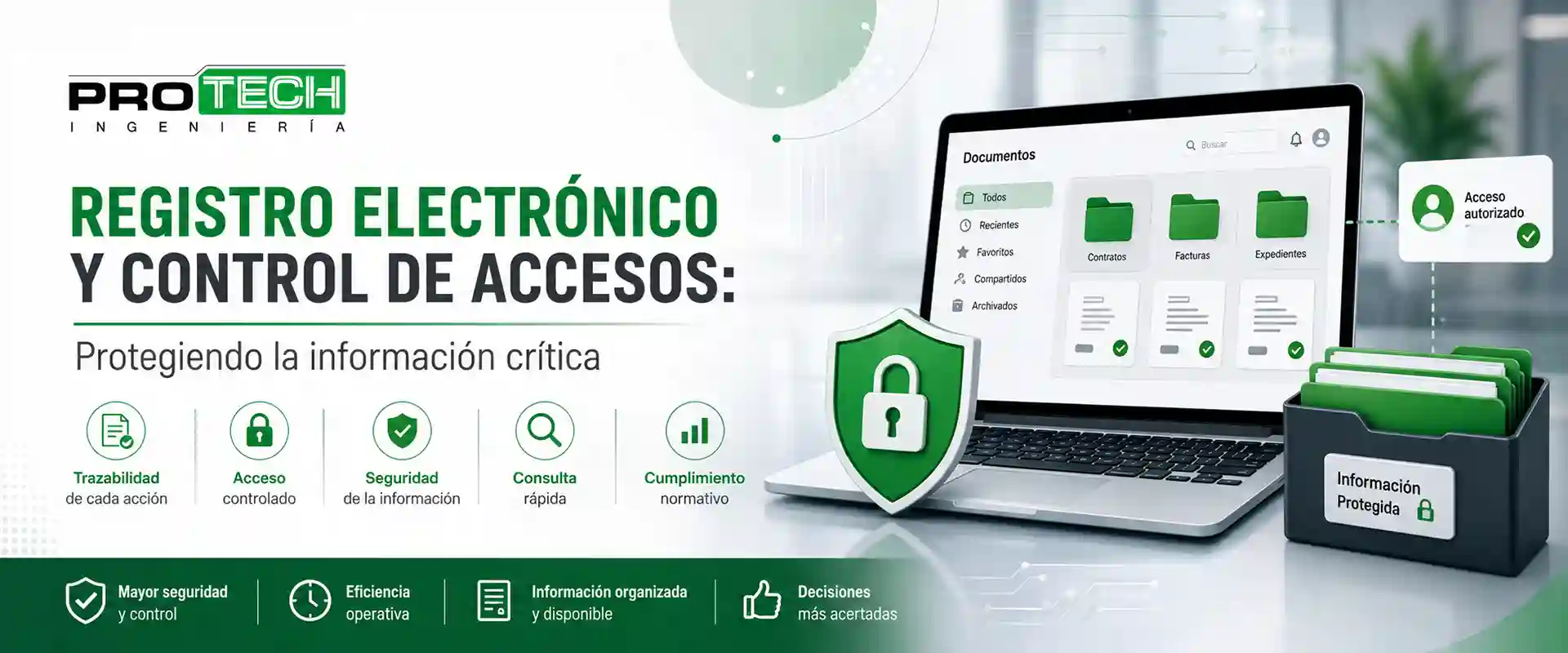
Adopting a preventive approach is essential to strengthen information protection when using digital systems. Among the main practices are access controls, secure authentication, and the definition of roles within document management systems.
The use of strong passwords, multi-factor authentication, and differentiated permissions helps limit access to critical information. These measures not only protect documents but also enhance traceability and control within the organization.
Data Encryption and Information Security
Encryption is an essential tool for ensuring information protection in the use of digital systems. This mechanism ensures that data can only be read by authorized users, even if it is intercepted.
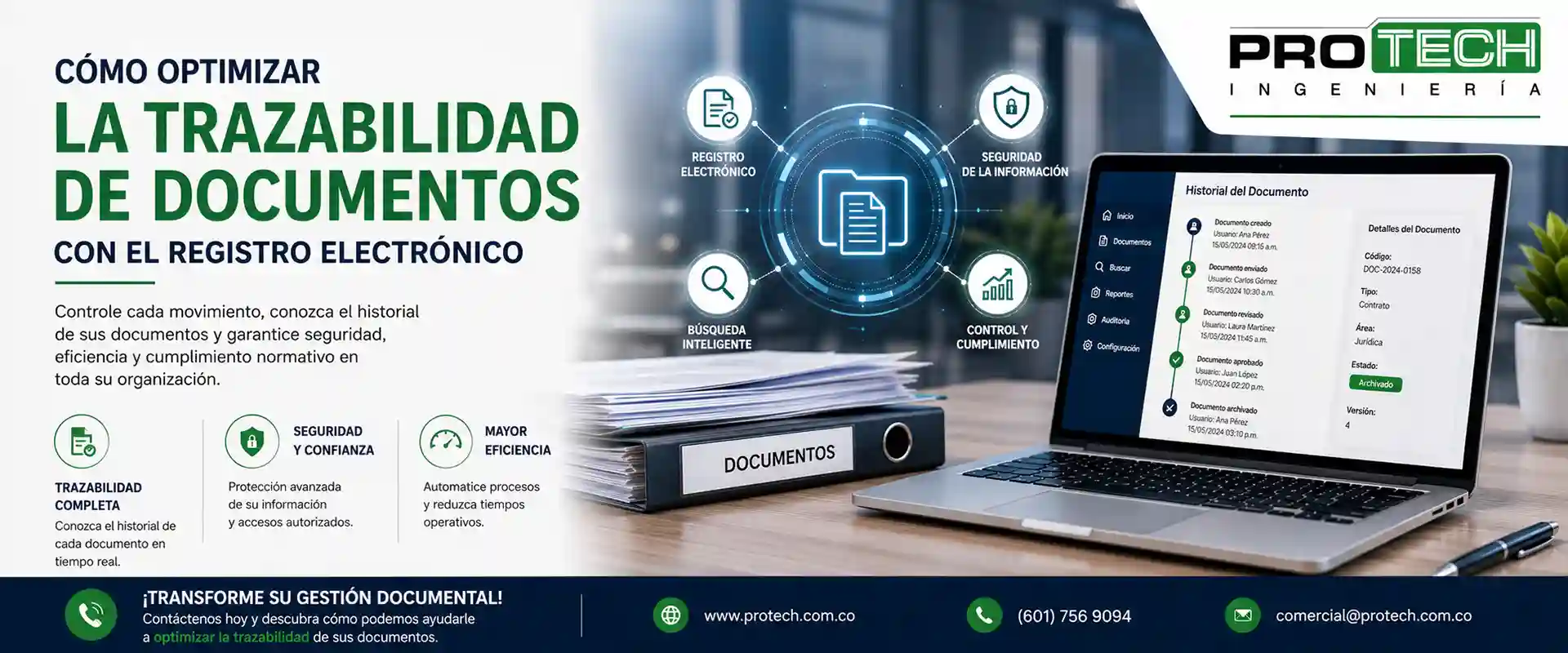
It is crucial to apply encryption both to stored information and to data in transit. In this way, the integrity of documents is protected at every stage of the document process, from digitization to consultation.

Training and Organizational Culture
Information protection in the use of digital systems also depends on employee behavior. For this reason, continuous training is essential to prevent security incidents.
Employees must be prepared to identify risks such as fraudulent emails, suspicious access attempts, or poor practices in document handling. In addition, they should be familiar with protocols for the proper management of both physical and digital files.
Document Management Services and Their Relationship with Security
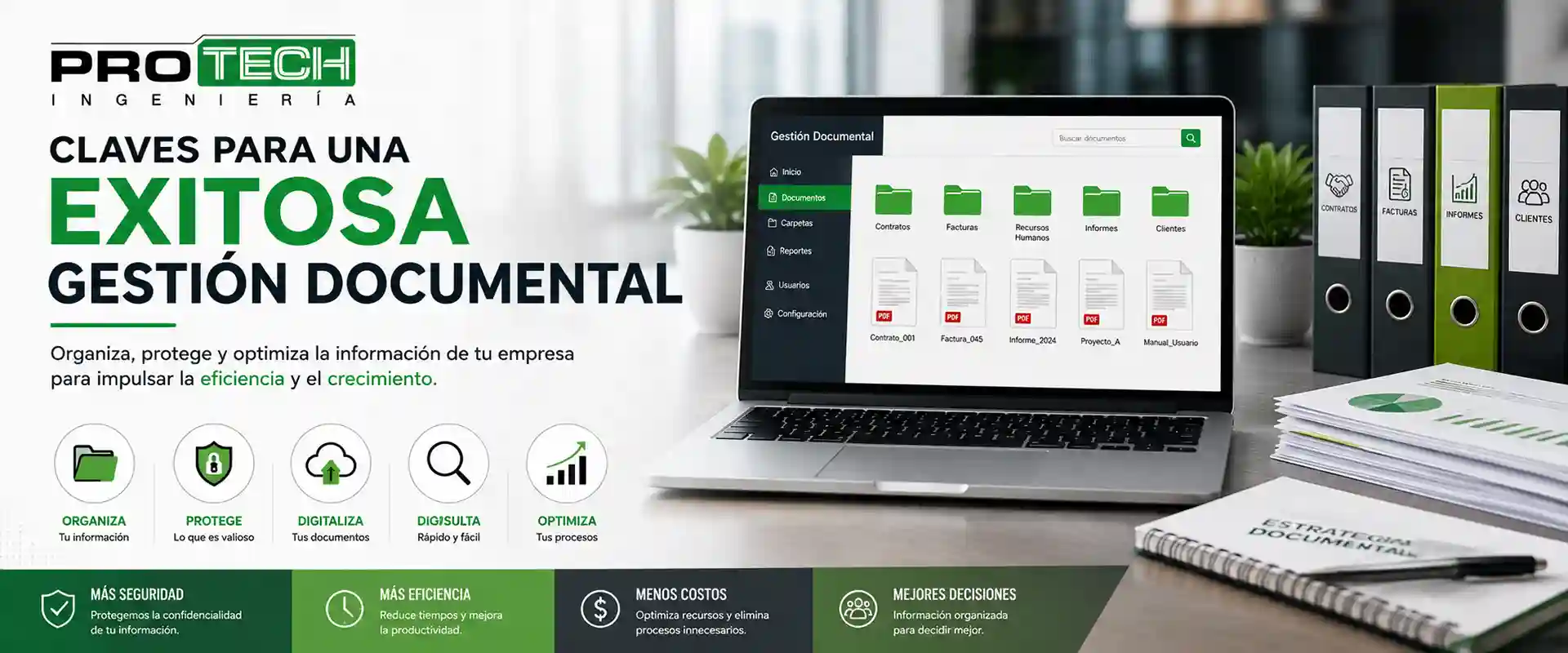
The implementation of services such as digitization, indexing, classification, storage, custody, and automation helps strengthen information protection in the use of digital systems.
Digitization enables secure access to information, while indexing and classification allow documents to be organized efficiently. Meanwhile, document custody ensures the preservation of physical files under optimal conditions.
Technological Infrastructure and Secure Storage
Information storage is a critical aspect of information protection in the use of digital systems. It is necessary to have secure servers, reliable cloud systems, and robust access controls.
Backup, Recovery, and Business Continuity
Backup systems are essential to ensure information protection in the use of digital systems. Having up-to-date backups allows organizations to recover information in the event of failures or cyberattacks.
Implementing disaster recovery plans ensures business continuity and minimizes the impact of potential incidents.
Monitoring, Auditing, and Information Control
Continuous tracking of system activity helps strengthen information protection in the use of digital systems. Monitoring tools make it possible to detect unauthorized access and unusual behavior.
Periodic audits allow organizations to evaluate the effectiveness of security policies and implement continuous improvements in document processes.
Automation and Document Preservation
Automation reduces manual intervention and improves efficiency, contributing to information protection in the use of digital systems. It also enables process standardization and minimizes human error.
Document preservation ensures that information remains accessible and readable over time through digital preservation strategies and ongoing technological updates.
Final Disposition and Document Lifecycle Control
Proper document disposal is an essential part of information protection in the use of digital systems. This process must be carried out under protocols that prevent unauthorized recovery of information.
Final disposition, together with the management of the document lifecycle, ensures responsible and secure handling of files at every stage.
Protect Your Information Today and Strengthen Your
Document Management
Do not wait to face information loss, operational errors, or security risks that may affect your business continuity.
Start today!
Contact us and discover how to implement a robust system that ensures information protection in the use of digital systems and takes your organization to the next level.