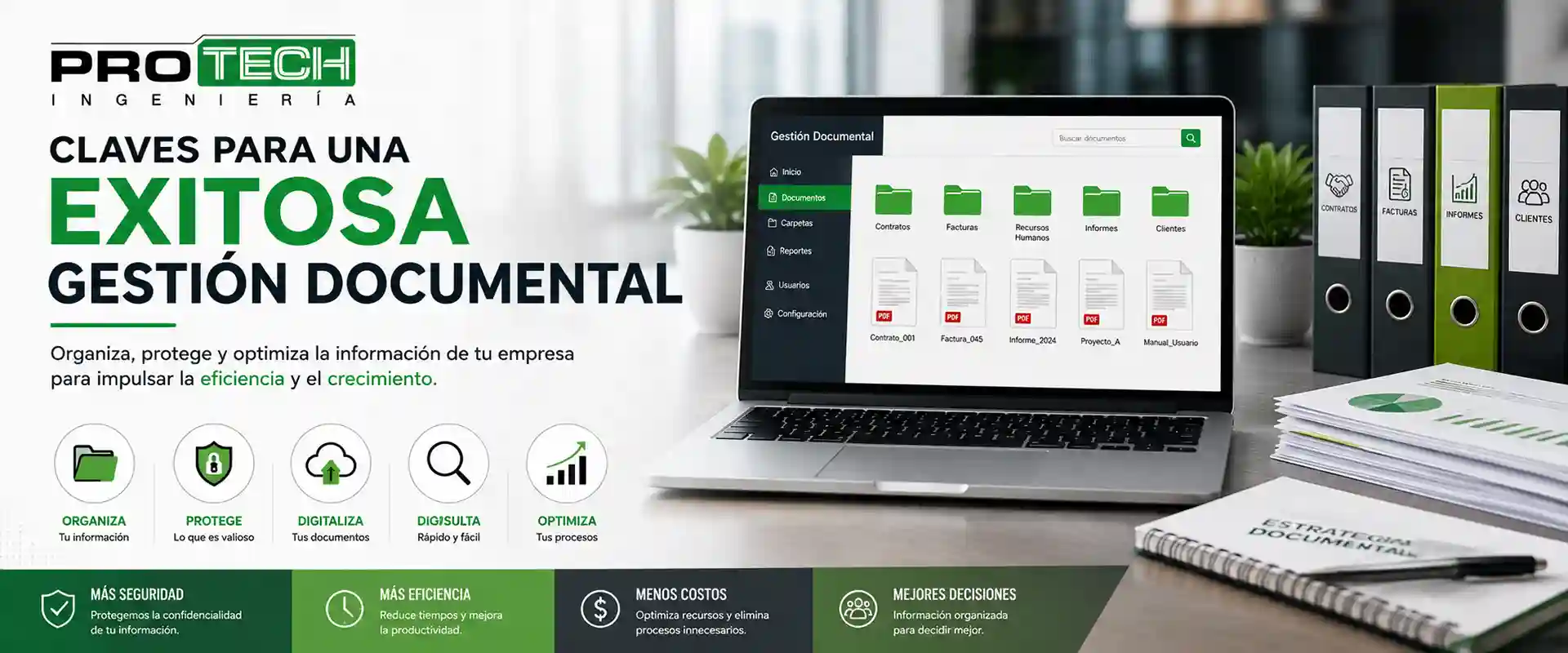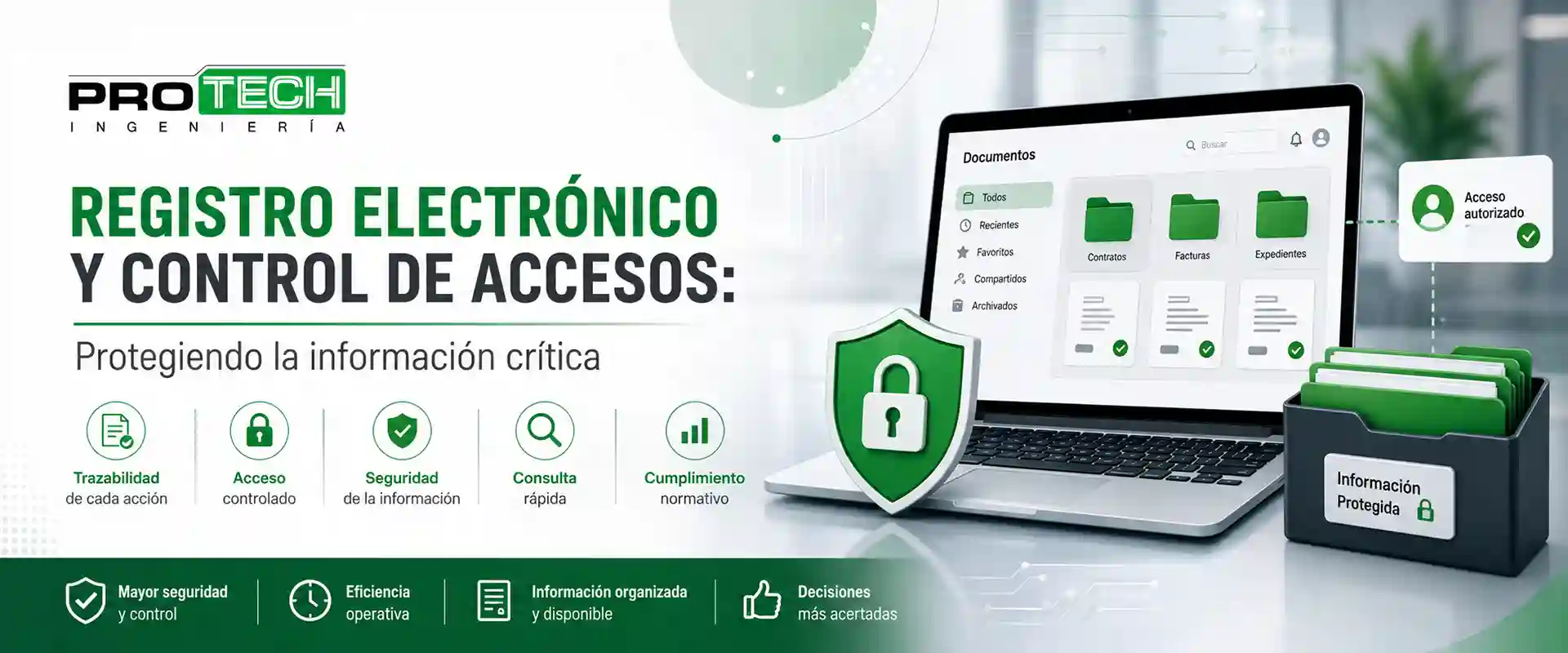


In the current context, both public entities and private organizations are undergoing a profound transformation driven by digitization. This change not only responds to the need to optimize internal processes but also to the demand for more efficient, transparent, and accessible services. In this scenario, the use of digital tools in document management becomes a key element for managing information in an integrated manner, ensuring its availability, security and traceability throughout the entire document lifecycle.
The strategic use of digital tools in document management allows organizations to integrate processes such as digitization, classification, indexing, document custody, storage, consultation, and workflow automation. This not only improves the management of physical and electronic records but also strengthens decision-making based on reliable and timely information.
Identification and Classification of Documents in Document Control
The first step in implementing an effective Document Control system is to identify and classify all documents that circulate within the organization. This process involves a detailed analysis of the types of files generated, as well as their importance within internal processes.
Proper document classification makes it possible to organize information into clear categories, facilitating its retrieval and significantly improving workflow. Within Document Control, it is common to find categories such as administrative documents (reports, minutes, and communications), financial documents (invoices, receipts, and budgets), legal documents (contracts and agreements), and operational documents (manuals, guidelines, and procedures).
Establishing a hierarchical structure within the Document Control system is essential. For example, within the financial category, specific subcategories can be created such as issued invoices, received invoices, and budgets, allowing for more detailed and efficient organization. This process is directly related to key services such as document classification and organization of physical and digital files.
Tagging, Indexing, and Use of Metadata
Another essential element within Document Control is the implementation of indexing mechanisms. Each document must include metadata that describes its content, such as creation date, author, document type, and relevant keywords.
Document indexing is one of the most important services within document management, as it enables fast and accurate searches across large volumes of information. Thanks to this practice, Document Control becomes more efficient and allows immediate access to the required files.
Additionally, it is important to keep information up to date through periodic reviews. This involves removing obsolete documents and updating the metadata of those that remain valid. This process is aligned with document disposition, which is part of the document lifecycle and ensures that stored information remains truly useful.
Digitization as a Pillar of Document Control
Document digitization is one of the most relevant components in modern Document Control. This process involves converting physical documents into digital files, enabling their storage, retrieval, and management through technological platforms.
Digital transformation is key to improving organizational efficiency and optimizing information management. In this context, digitization helps reduce paper usage, facilitates remote access to documents, and enhances data security.
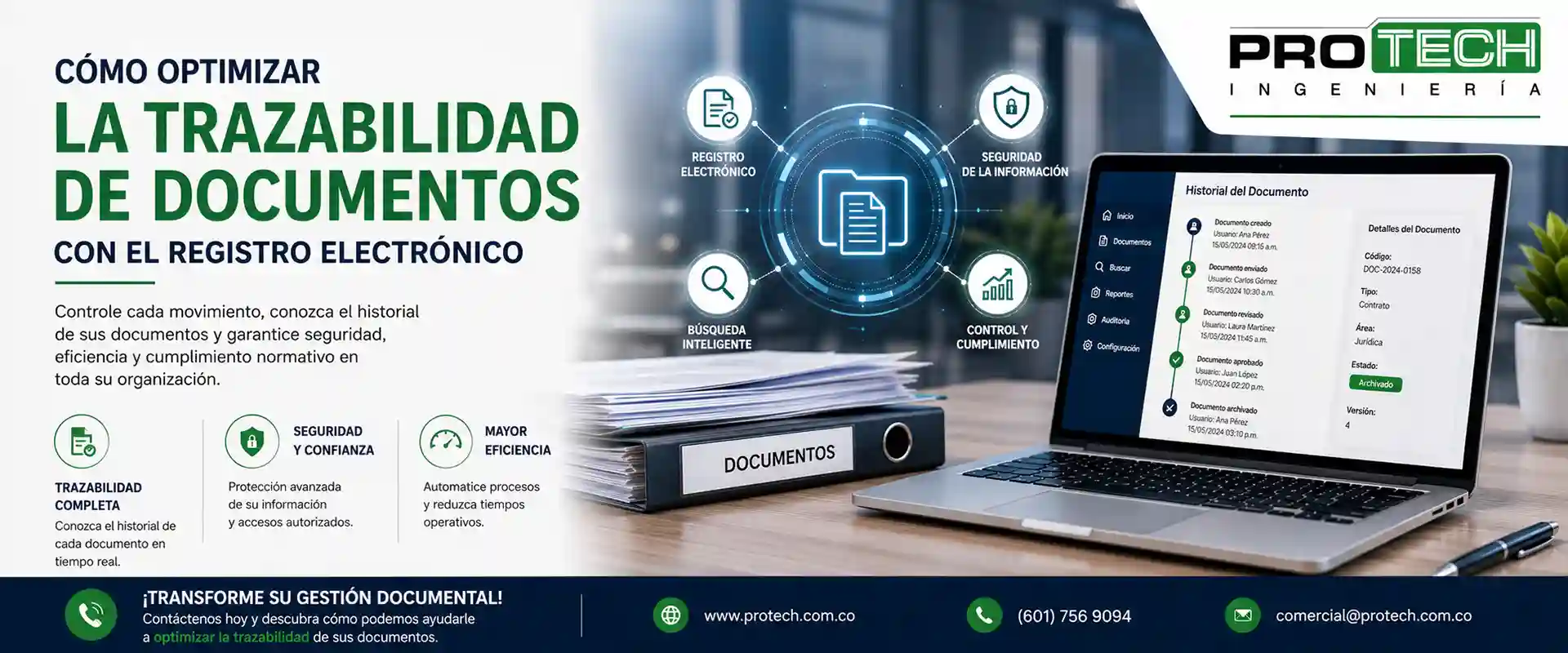
The digitization service not only contributes to document organization but also strengthens Document Control by enabling the traceability of each file. This means it is possible to track who accesses a document, when it is accessed, and what modifications are made, increasing transparency and internal control.
Storage and Custody within Document Control
Proper information storage is another fundamental aspect of Document Control. Organizations can choose between physical, digital, or hybrid storage, depending on their needs and the type of documents they manage.
Document custody is an essential service that ensures the preservation of files under optimal conditions, protecting them from factors such as humidity, deterioration, or unauthorized access. This aspect is especially important for legal, financial, or historical documents that must remain intact over time.
Document Control also involves defining information access policies. These policies establish who can view, modify, or delete documents, strengthening security and reducing risks associated with improper handling of information. These practices align with international standards promoted by ISO, which provide guidelines for secure information management.
Automation of document processes
Automation is a key tool for optimizing Document Control. Through technological systems, it is possible to reduce manual intervention in document management, which minimizes errors and improves operational efficiency.
Automated workflows allow documents to move automatically through different stages of a process. For example, an invoice can be received, classified, assigned to a responsible person, and approved without requiring manual intervention at each step.
This type of automation enhances traceability within Document Control, as every action is recorded, enabling detailed tracking of documents. Additionally, it reduces processing times and helps ensure deadlines are met.
Automatic notifications are also part of this process, as they alert users about due dates, pending reviews, or important updates, thereby preventing document disorder.

Information Retrieval, Access, and Consultation
An efficient Document Control system must ensure that information is available when it is needed. The implementation of digital platforms allows documents to be centralized and facilitates their consultation from anywhere.
The document consultation service is key to improving productivity, as it reduces the time employees spend searching for information. It also enables decision-making based on reliable and up-to-date data.
Document Control also prevents file duplication by establishing an organized system where each document has a single official version. This reduces confusion and improves the quality of the available information.
Preservation and Final Disposition of Documents
Within Document Control, document preservation is a fundamental process that ensures their integrity over time. This involves applying appropriate techniques to preserve both physical and digital documents.
Document disposition allows for the elimination of files that have completed their lifecycle or their transfer to historical archives when they hold permanent value. This process must be carried out under regulatory guidelines to avoid legal risks or the loss of relevant information.
In Colombia, these practices are regulated by entities such as the General Archive of the Nation of Colombia, which establishes guidelines for proper document management in the country.
Training and Organizational Culture
The success of Document Control largely depends on the knowledge and commitment of the staff. For this reason, it is essential to implement training programs that teach employees how to properly manage documents.
These training sessions should include the use of technological tools, proper document classification, metadata management, and compliance with information security regulations.
Additionally, fostering an organizational culture based on order and responsibility in document management is key to maintaining an efficient Document Control system. This means ensuring that all members of the organization understand the importance of properly handling information.
Benefits of Document Control in Organizations
Implementing a solid Document Control system brings multiple benefits. One of the main advantages is increased productivity, as employees can quickly access the information they need.
Likewise, Document Control improves decision-making by providing reliable and up-to-date data in real time. This allows organizations to respond more quickly to changes in their environment.
Another important benefit is cost reduction, as it optimizes the use of resources, reduces physical storage, and minimizes the time spent searching for documents.
Additionally, Document Control strengthens regulatory compliance, helping to avoid penalties and ensuring that the organization operates within the legal framework.
Integration of Services in Document Control
To achieve a truly efficient system, Document Control must integrate all services of document management. This includes digitization, data capture, classification, indexing, storage, custody, and automation.
This comprehensive approach makes it possible to manage information in a structured way, ensuring its availability, security, and traceability at every stage of the document lifecycle. It also facilitates the digital transformation of organizations and enhances their competitiveness in today’s market.
Optimize Your Document Management Today and Take
Your Organization to the Next Level
Do not let document disorganization affect the efficiency, productivity, and security of your organization. Implementing a solid document control system will not only allow you to keep information organized, but also improve decision-making, ensure regulatory compliance, and optimize each of your internal processes.
Start today!
Now is the time to transform the way you manage your documents. Investing in digitization, automation, and proper information classification will make the difference between a disorganized operation and an efficient, agile, and secure management system.