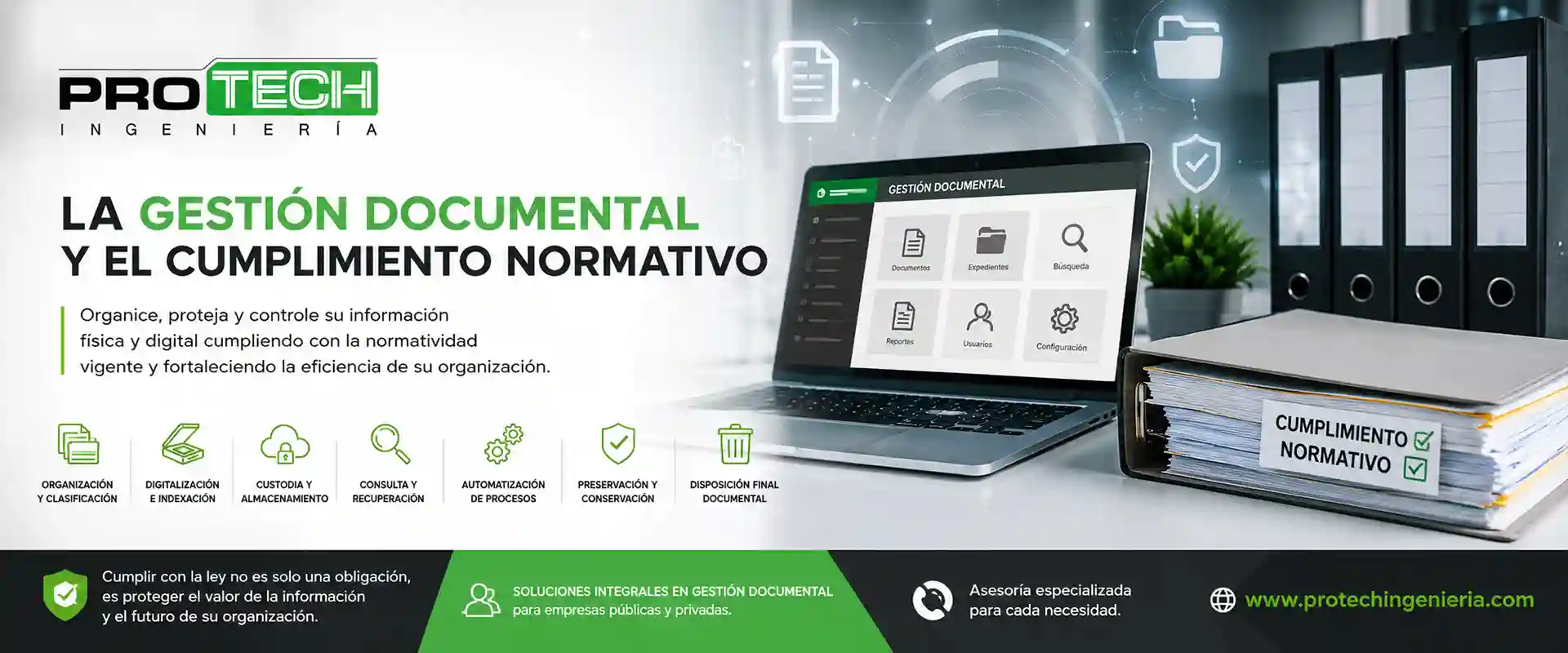



The document inventory for archiving is an essential process in any organization that seeks to optimize archive management and improve operational efficiency. A well-executed document inventory for archiving facilitates access to information, optimizes available resources, and supports strategic decision-making. In this article, we will explore in detail how to carry out an effective document inventory for archiving, from planning to implementation and maintenance, highlighting the importance of a complete document management system.
What is a document inventory?
A document inventory for archiving is an organized practice that involves recording, classifying, and managing all the documents that an organization possesses. This process aims to provide detailed control over information, allowing quick and secure access to documents whenever needed. Additionally, it facilitates the disposal of obsolete or unnecessary documents, ensuring that only relevant materials are retained.
Having a well-structured document inventory for archiving improves information management within the organization. As an organization grows, so does the amount of documentation it handles. Without an adequate document inventory for archiving, employees may face difficulties in locating vital information, which could lead to loss of time and resources. A clear inventory establishes a solid foundation for document management, ensuring that workflows are more efficient and that information is easily accessible.
Benefits of carrying out a document inventory
Establishing a document inventory for archiving provides multiple benefits for organizations. Some of the most relevant are:
- Better control and access to information: An inventory allows for a clear record of existing documents, their location, and who has access to them.
- Facilitates decision-making: Proper organization of documents enables managers to make informed decisions quickly.
- Resource optimization: Reducing document duplication and eliminating unnecessary ones can free up space and reduce storage costs.
- Improved information security: Classifying documents makes it easier to implement security measures to protect sensitive information.
Steps to carry out a document inventory
Carrying out a document inventory for archiving requires following a series of strategic steps that ensure the proper collection, organization, and maintenance of files. Below, we detail the process to follow:
1. Inventory planning
Planning is a crucial step for the success of the document inventory for archiving. Before starting, it is necessary to clearly define the objectives and scope of the project. Some key points to consider at this stage are:
- Define the objectives: Establish the purpose of the inventory, such as improving document management, complying with regulations, or conducting an internal audit.
- Identify document types: Determine the documents that will be included in the inventory, from invoices and contracts to emails and digital files.
- Asignar un equipo responsableAssign a responsible team: Select the personnel who will carry out the inventory, ensuring they have the time and resources needed to complete their tasks.
Proper planning establishes a clear framework, allowing the work team to be more efficient and avoid potential issues.
2. Information gathering
Once the planning has been defined, the next step is gathering the information. This can be carried out as follows:
- Document audit: Conduct a review of physical and digital archives to identify all documents that should be included in the inventory.
- Document classification: Group documents into relevant categories, such as file type, date, or department.
- Metadata recording: For each document, it is important to record basic information such as the title, creation date, author, format, and location.
It is recommended to use templates or specialized document management software to facilitate data collection. This speeds up the process, minimizes errors, and makes it easier to access information in the future.
3. Creation of the inventory database
Once the information has been collected, the next step is to create a database to store the records. This database will be the central source for consulting the document inventory for archiving, so it must be easily accessible to those who need to review the documents. When creating the database, it is important to consider:
- Digital format: The database should be in a digital format that allows quick searches and accessibility, such as spreadsheets or document management software.
- Integration with other systems: If document management systems are already in use, it is important to ensure that the new database integrates efficiently with existing platforms.
- Security: Implement passwords and security measures to ensure that only authorized personnel have access to sensitive information.
An organized database significantly improves the efficiency and speed with which documents can be located.
4. Maintenance and updating of the inventory
Maintaining the document inventory for archiving does not end once the database is created. It is essential to keep it updated to ensure its long-term effectiveness. Some recommendations for ongoing maintenance are:
- Periodic reviews: Establish a review schedule to ensure that information is updated regularly.
- Continuous training: Ensure that all employees are trained in using the inventory system and understand the importance of keeping the database up to date.
- Management of new documents: New documents should be recorded immediately in the inventory to prevent them from accumulating without being cataloged.
Keeping the document inventory for archiving updated ensures that information is always available when needed and guarantees that document management processes remain aligned with the organization’s changing needs.

Common mistakes when carrying out a document inventory
Although the process of creating a document inventory for archiving may seem simple, there are several common mistakes that can affect the effectiveness of the system. Some of the most frequent include:
- Lack of proper planning: Starting the inventory without adequate planning can lead to confusion, duplication, and errors. It is crucial to dedicate time to defining the objectives and scope of the inventory.
- Not involving key personnel: Leaving out employees who work directly with the documents can result in an incomplete inventory. It is important to have their collaboration to ensure that all necessary information is included.
- Ignoring technological tools: Not using specialized document management software can make the process slower and more prone to errors. It is essential to take advantage of available technology.
- Not establishing a maintenance system: An inventory without an update and maintenance system can quickly become obsolete. It is important to ensure that the document inventory for archiving is reviewed and updated periodically.
Useful tools for carrying out a document inventory
To facilitate the creation and maintenance of a document inventory for archiving, there are various tools and technologies available. Some useful options include:
- Scanning applications: There are mobile apps that allow paper documents to be digitized and integrated into the digital inventory.
- Labeling software: Tools that enable physical documents to be labeled for easier location and tracking.
These tools not only save time but also enable more effective and efficient control of documents, ensuring that the document inventory for archiving is organized and accessible.
Best practices for maintaining an efficient inventory
To ensure that the document inventory for archiving remains useful and functional, it is important to follow some best practices:
- Document the process: It is crucial to keep a clear record of how the inventory is carried out and how it is updated. This will facilitate the training of new employees and ensure that the system remains consistent.
- Evaluate emerging technologies: Staying up to date with the latest innovations in document management can make the process even more efficient.
- Constant communication: Maintaining regular communication between different departments will ensure that everyone is aware of any changes in the inventory.
- Continuous training: Providing regular training to employees on the importance of document inventory will help keep the system updated and efficient.
By following these best practices, the document inventory will not only be effective but will also adapt to the changing needs of the organization, improving overall efficiency in information management.
Having a structured document inventory for archiving is the first step toward strengthening organization, control, and access to information within your company or entity.
Evaluating the current state of your physical and digital records allows you to identify opportunities for improvement and move toward more efficient, secure processes aligned with operational and regulatory needs.