

Information has become one of the most valuable assets for both organizations and independent professionals. The way this information is managed, preserved, and accessed can determine a company’s operational efficiency, security, and competitiveness. Understanding how to improve the storage and management of documents becomes crucial to avoid disorder, data loss, and delays in internal processes. Document management, supported by best practices and technological tools, allows large volumes of information to be transformed into accessible and reliable resources.
How to improve the storage and management of your documents Discussing how to improve document storage requires considering both physical and digital files. In many organizations, both formats still coexist, which demands clear methodologies to manage them in an integrated way. Document management not only organizes information but also establishes controls, workflows, and policies that ensure timely access and proper preservation of documents throughout their lifecycle.
Relevance of structured document management
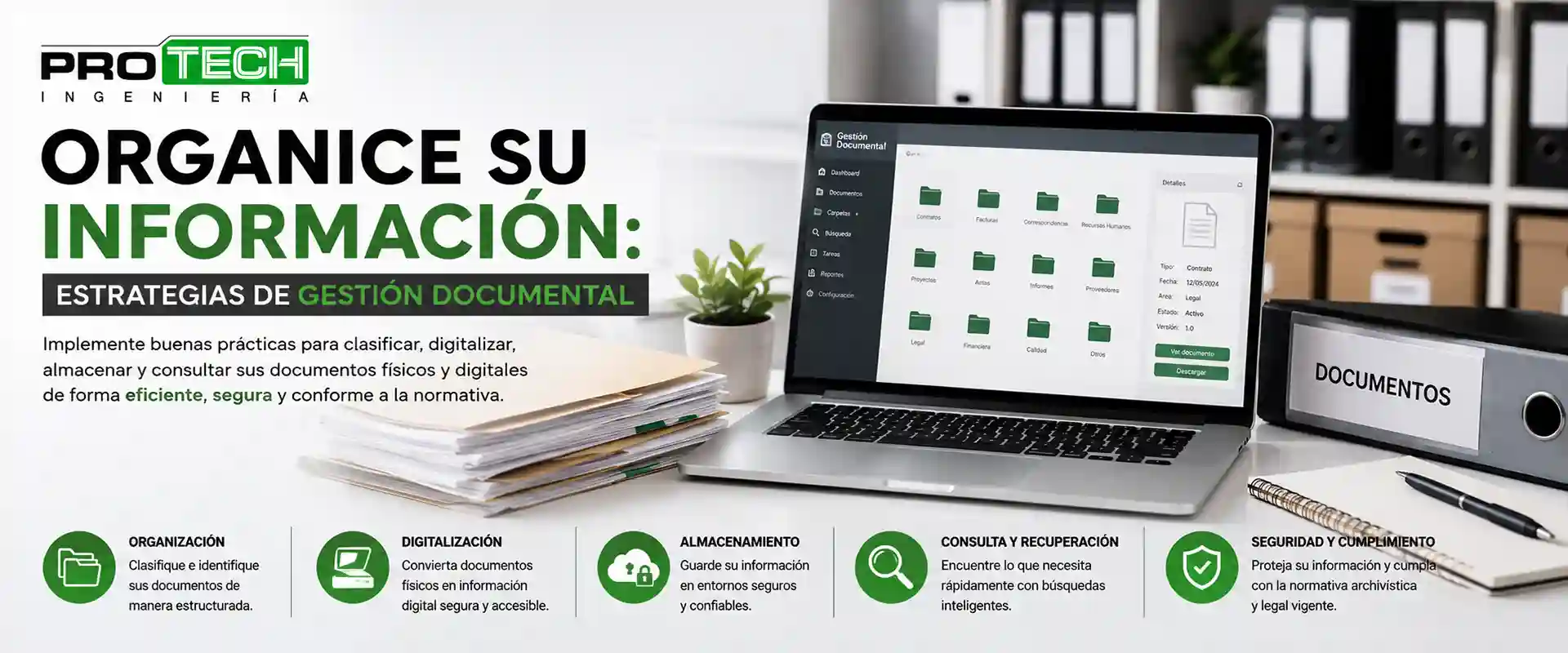
Document management can be defined as the set of processes aimed at capturing, classifying, indexing, and efficiently organizing documents. In an increasingly digitalized environment, improving storage becomes a strategic necessity to address the rapid growth of information and to ensure compliance with legal and data protection regulations.
A well-structured document management system allows organizations to reduce search times, minimize errors, and facilitate decision-making. When information is organized, department managers can access updated and reliable documents, directly impacting productivity. According to guidelines from the International Organization for Standardization, proper document management contributes to transparency, efficiency, and business continuity.
Furthermore, improving storage also reduces operational costs. By optimizing the use of physical and digital space, expenses related to traditional filing, document duplication, and loss of critical information are minimized. This optimization is especially important for organizations handling large volumes of documents that require constant access to their information.
Digitization as a starting point
One of the first steps in improving storage is the digitization of physical documents. This document management service converts paper files into digital formats, facilitating their preservation, consultation, and distribution. Digitization not only reduces the physical space needed for filing but also enhances the security and accessibility of information.
To achieve efficient digitization, it is essential to use proper equipment and specialized software, such as optical character recognition (OCR) systems, which convert images into editable text. This process makes indexing and later document retrieval much easier. Government entities and national archives promote digitization as a key practice for administrative modernization.
Digitization should be complemented with clear naming conventions and standardized formats to ensure interoperability and long-term access. In this way, improving storage goes beyond scanning documents—it integrates them into a coherent and functional document management system.
Document classification and indexing
Another essential element in improving storage is the proper classification and indexing of documents. Classification involves grouping information according to predefined criteria, such as document type, responsible department, date, or confidentiality level. Indexing, in turn, assigns metadata that facilitates quick retrieval of files.
Proper classification prevents disorder and document duplication. When files are correctly indexed, users can locate information quickly, reducing unproductive time. These processes are fundamental components of document management services and are recommended by international organizations dedicated to information administration.
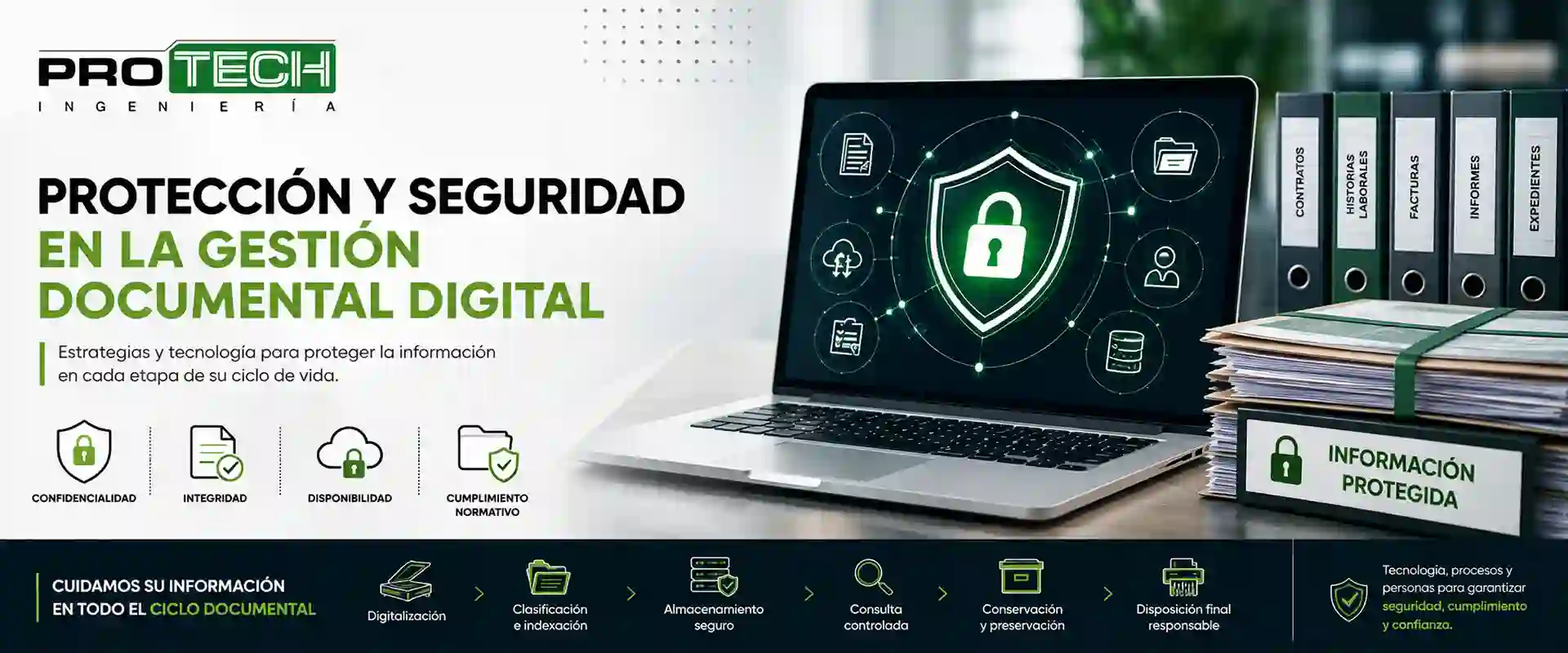
Implementing classification schemes also enhances security, as it allows defining access levels and protecting sensitive information. In this sense, improving storage is directly linked to data protection and document confidentiality.
Custody and secure storage
Document custody is a key service within document management and plays a central role in improving storage. This service ensures that both physical and digital documents are preserved under proper security, control, and access conditions. Physical custody involves spaces specifically designed to protect paper documents, while digital custody relies on electronic storage systems with advanced protection measures.
Storage as a document management service must meet criteria of organization, accessibility, and scalability. A well-designed storage system allows information to grow in a controlled manner without losing efficiency. Institutions such as the European Commission highlight the importance of secure and structured storage in digital transformation processes.
In this context, improving storage involves continuously evaluating the capabilities of the systems in use and ensuring they can adapt to the organization’s future needs.

Automation of document processes
Automation has become an essential component for improving storage and document management. Through automated workflows, it is possible to control the creation, review, approval, and distribution of documents without relying on manual processes. This reduces errors, speeds up timelines, and improves information traceability.
Document automation allows the integration of services such as automatic classification, permission assignment, and alerts for the final disposition of documents. International organizations emphasize that automation significantly contributes to administrative efficiency and reduces operational burdens.
Incorporating automation into the strategy for improving storage facilitates the management of large volumes of information and ensures compliance with previously established document policies.
Information access and retrieval
Timely access to information is one of the main objectives of improving storage. Document retrieval systems enable authorized users to locate and use documents whenever needed, regardless of their physical or digital location. This is especially important in hybrid or remote work environments.
Efficient retrieval depends on proper digitalization, classification, and indexing. When these services are properly aligned, information flows in an organized and secure manner. Specialized media in technology and business management emphasize that rapid access to information is a key factor for competitiveness.
Preservation and final disposition
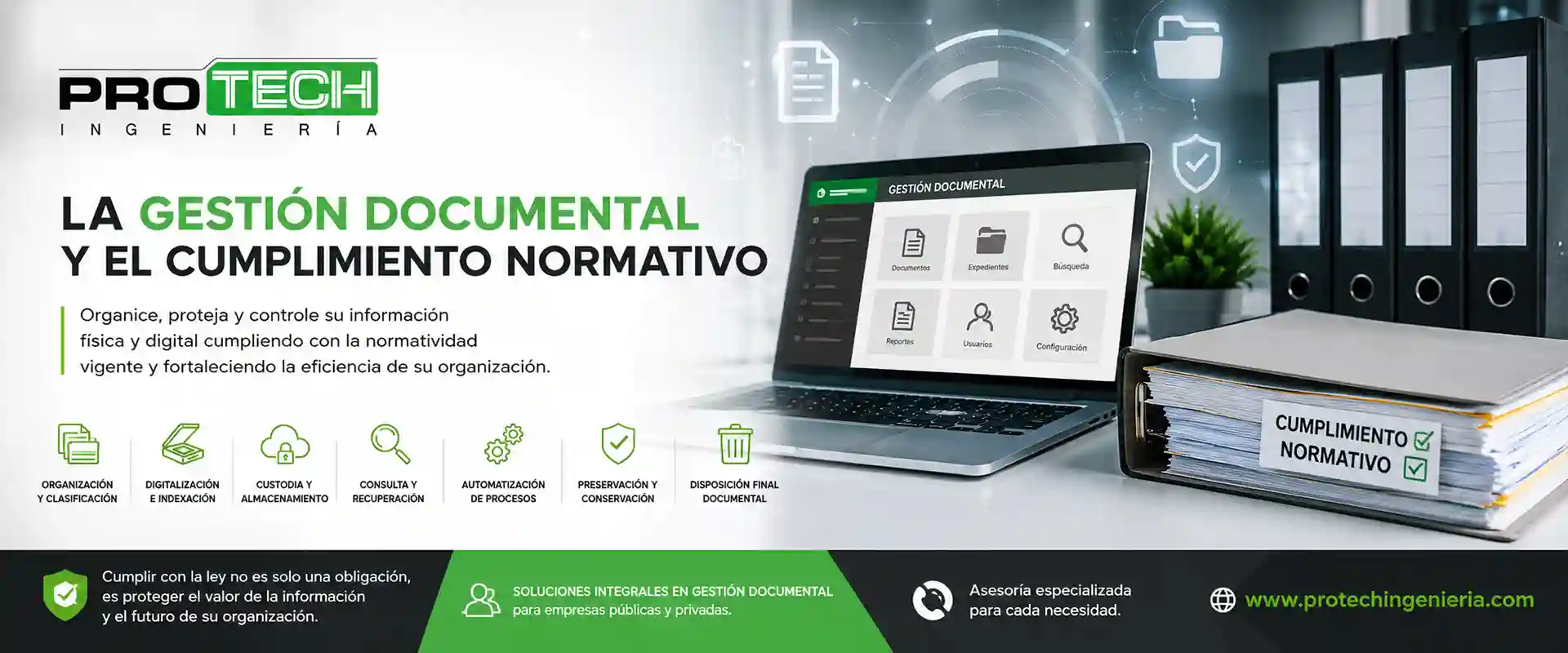
Within the document lifecycle, preservation and final disposition are essential services for improving storage. Preservation ensures that documents with legal, administrative, or historical value remain intact over time. This involves environmental controls, digital backups, and appropriate conservation policies.
Final disposition, on the other hand, allows for the secure elimination of documents that have fulfilled their purpose. This process prevents unnecessary accumulation of information and reduces risks associated with excessive storage. National archives and regulatory bodies emphasize the importance of controlled final disposition as part of responsible document management, as highlighted by the Archivo General de la Nación.
Training and continuous improvement
A fundamental aspect of improving storage is staff training. Effective document management depends not only on technology but also on the knowledge and commitment of those handling the information. Continuous training ensures proper application of document policies and the correct use of available tools.
Additionally, periodic evaluation of implemented systems allows organizations to identify opportunities for improvement and adapt to new needs. Document management is a dynamic process that must evolve alongside technological and organizational changes.
Within this framework, improving storage becomes an ongoing practice aimed at optimizing organization, security, and access to information, integrating all document management services into a coherent and sustainable strategy.
It is essential to review how your organization stores, protects, and manages its physical and digital documents.
Applying best practices and specialized services focused on improving storage helps reduce unproductive time, minimize risks, and strengthen operational efficiency across all internal processes.
Start today!
Now is the moment to take the step toward a more organized and secure model, relying on professional solutions that allow you to advance in a structured way in improving both storage and document management.