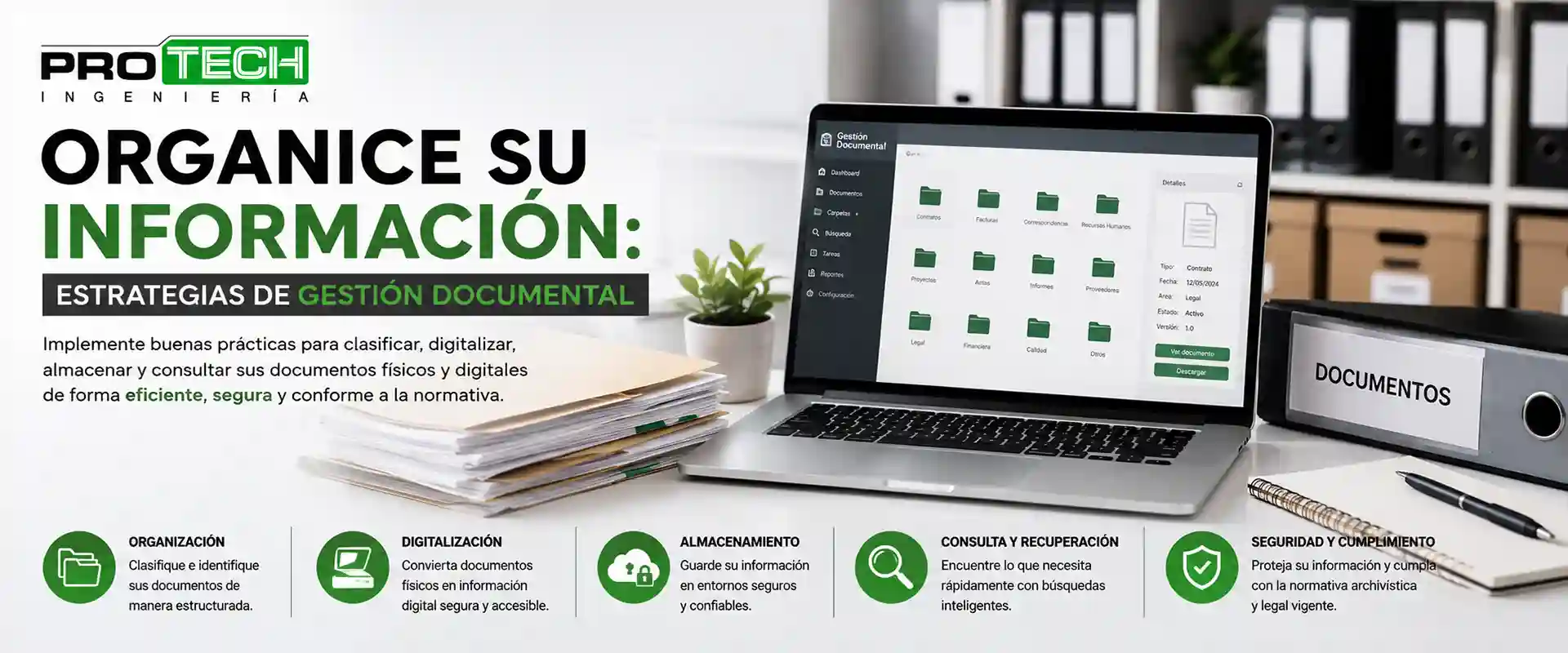



Document management in SMEs has become an essential component for the proper operational, administrative, and strategic functioning of small and medium-sized organizations. In a business environment where information grows constantly—both in physical and digital formats—it is essential to have structured processes that allow documents to be organized, protected, and accessed quickly and securely. The absence of an adequate system not only creates disorder but also directly impacts productivity, decision-making, and regulatory compliance.
The increase in contracts, invoices, files, internal communications, and digital records forces companies to rethink how they manage information. In this context, document management in SMEs shifts from a secondary task to a strategic function that spans all areas of the business. When documents are not properly classified and indexed, accessing information becomes difficult, causing delays, errors, and unnecessary risks.
What does document management consist of?
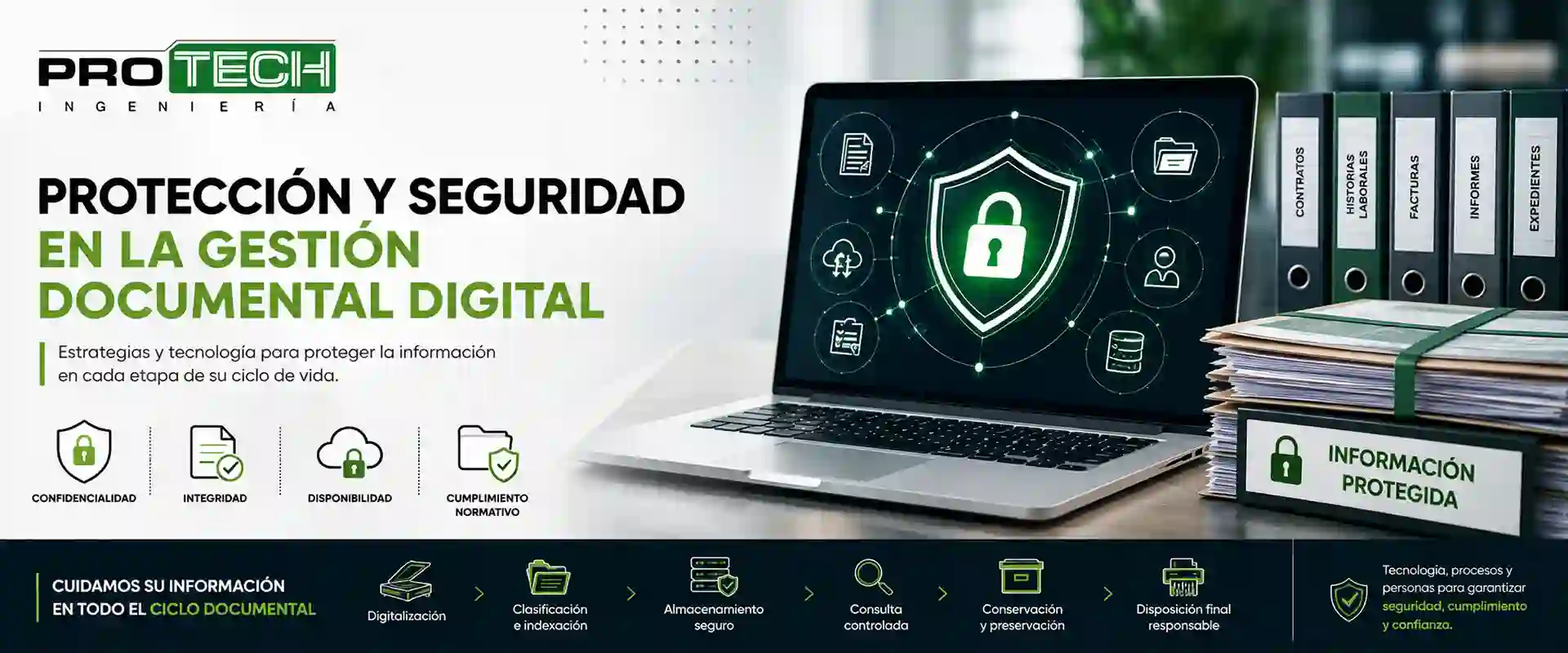
Document management involves a set of policies, procedures, technological tools, and best practices aimed at administering the entire life cycle of documents. This includes their creation or receipt, digitization, organization, classification, indexing, storage, and preservation, up to their final disposition or controlled destruction. In the business context, these processes ensure that information remains structured, accessible, and protected against loss or unauthorized access.
Specifically for SMEs, document management is even more relevant due to typical limitations in human, economic, and technological resources. A well-defined document system helps optimize time, reduce operational costs, and ensure compliance with legal regulations related to information preservation and protection. International organizations such as the International Organization for Standardization highlight the importance of these processes through standards like ISO 15489 on document management.
Strategic value of document management in SMEs
Adopting a structured approach to document management in SMEs allows information to become a strategic asset. When documents are properly organized, the company can respond more quickly to audits, legal requirements, or requests from clients and suppliers. Additionally, reliable and accessible information facilitates planning, control, and the evaluation of business performance.
One of the main contributions of document management is improved operational efficiency. With well-structured physical and digital storage systems, employees significantly reduce the time spent searching for documents. According to reports from the World Bank on business productivity, efficient information management is a key factor for the competitiveness of small enterprises.
Furthermore, document management in SMEs strengthens information security. Through access controls, document custody policies, and backup systems, companies can protect sensitive data against loss, theft, or unauthorized access. This is especially relevant in sectors that handle financial information, contracts, or personal data, where confidentiality is critical.
Consequences of lacking access to information
The absence of an adequate document management system in SMEs creates multiple problems that affect the overall performance of the organization. One of the most obvious is the loss of time. When documents are not centralized or properly classified, employees may spend a significant part of their workday searching for information. Studies reported by economic media such as Forbes indicate that poor information management can lead to substantial productivity losses.
Another significant impact is the difficulty in making informed decisions. Without timely access to updated and complete data, managers lack a clear view of the company’s actual situation. This lack of centralized information can result in decisions based on assumptions or incomplete data, affecting profitability and business sustainability. In SME document management, organized information becomes a key support for strategic planning.
Lack of access also negatively affects internal communication. When documents are not available to all relevant teams, duplicates, errors, and conflicts from outdated versions arise. This directly impacts collaboration and organizational climate, making coordinated work across departments more difficult.

Services that integrate document management
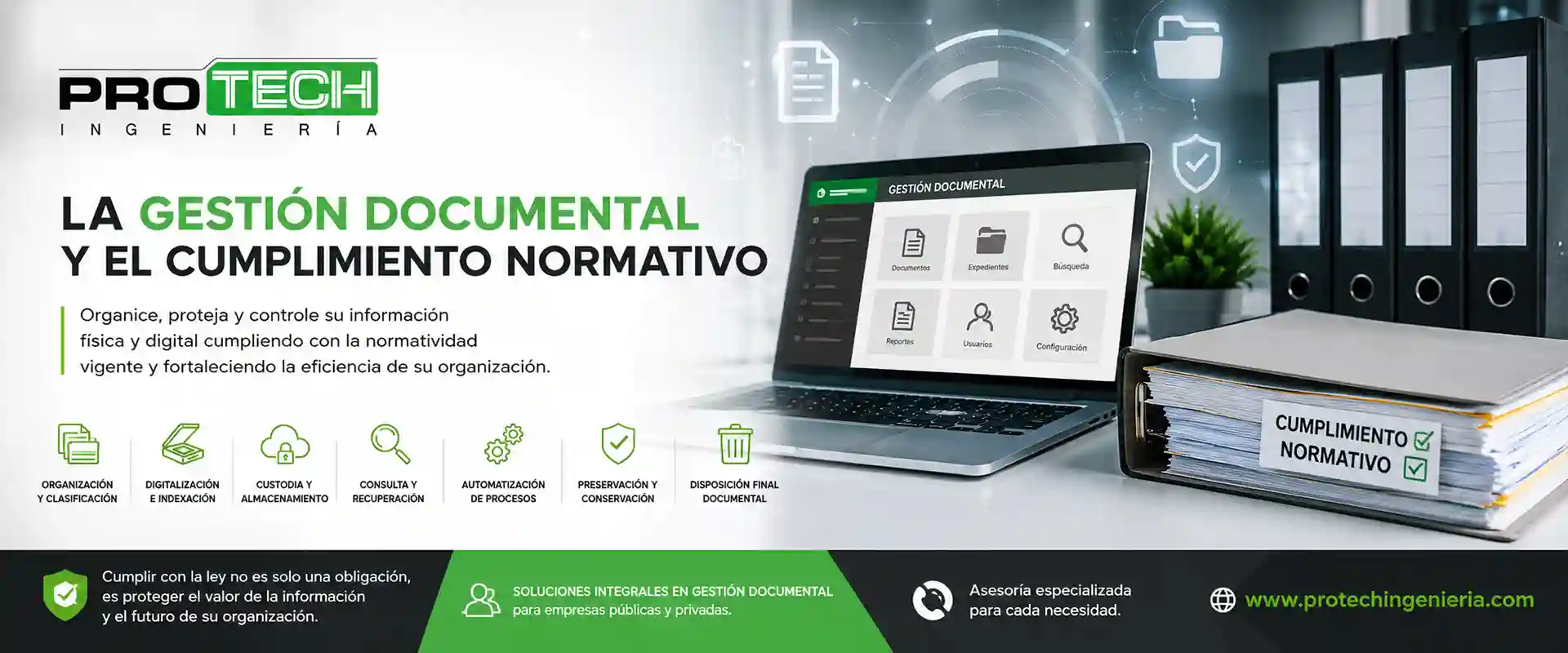
Document management in SMEs relies on a series of specialized services that allow information to be managed comprehensively. One of these services is document digitization, which transforms physical files into digital formats, facilitating access and reducing dependence on paper. This process is key to improving efficiency and supporting digital transformation initiatives.
Another fundamental service is document custody, both physical and digital. Custody ensures that documents are preserved under proper security, environmental control, and restricted access conditions. Associated with this is storage, which allows files to be organized systematically, optimizing space and making them easier to locate.
Classification and indexing are essential processes within SME document management, as they establish clear criteria for organizing information and retrieving it quickly. These services are complemented by consultation systems that facilitate access to authorized documents from different locations, especially in remote work environments.
Document automation is another key component. Through automated workflows, SMEs can reduce manual tasks, minimize errors, and speed up processes such as approvals, validations, and document distribution. Organizations like the Economic Commission for Latin America and the Caribbean highlight the role of automation in business modernization.
Finally, preservation and final disposition are part of the document lifecycle. Preservation ensures that documents with legal, historical, or administrative value remain intact over time, while final disposition allows the secure elimination of files that are no longer needed, in compliance with current regulations.
Technological tools for document management in SMEs
To implement document management effectively in SMEs, it is essential to rely on appropriate technological tools. Document management systems (DMS) allow organizations to centralize information, control versions, assign access permissions, and facilitate document retrieval. These platforms can be adapted to the size and specific needs of each company.
Cloud storage has emerged as a flexible and scalable solution. It enables SMEs to access their documents from anywhere, ensuring operational continuity and facilitating collaborative work. Such solutions have been widely recommended by entities like the European Union within the framework of business digitalization.
Employee training is another indispensable element. Document management in SMEs depends not only on technology but also on the knowledge and commitment of staff. Continuous training ensures the correct use of tools and the adoption of best document management practices across all areas.
Progressive implementation of document management
Adopting a document management system in SMEs requires a planned process. The first step is to evaluate the company’s current situation, identifying weaknesses in handling both physical and digital documents. Based on this assessment, clear objectives can be defined to improve efficiency, security, and access to information.
The selection of tools and services should respond to the real needs of the business, considering factors such as scalability, cost, and integration with other systems. Once solutions are implemented, continuous monitoring is essential to adjust processes and ensure proper operation. Document management is a dynamic process that must evolve alongside the growth of the company.s
Digital transformation and document management
Digital transformation acts as a strategic ally for document management in SMEs. Incorporating digital technologies not only facilitates document digitization, but also promotes a cultural shift in how information is managed. Tools based on artificial intelligence enable improved automatic classification, text recognition, and data analysis, adding extra value to document processes.
Various reports published by media outlets highlight how digitization and automation are redefining the competitiveness of small businesses, enabling them to adapt to increasingly demanding environments.
Common challenges in document management for SMEs
Despite its benefits, document management in SMEs faces several challenges. Resistance to change is one of the most common, as some employees prefer to maintain traditional methods. Budget limitations also pose a barrier, making the initial investment in technology and specialized services difficult.
Another important challenge is scalability. As the company grows, so does the volume of information, making it crucial to have solutions that can adapt to this growth without losing efficiency. Integration with existing systems is also a concern, especially when multiple platforms are in use.
To overcome these obstacles, it is essential to foster an organizational culture focused on information organization and efficient use. Clear communication about the benefits of document management in SMEs, along with the adoption of flexible and integrable solutions, allows businesses to move toward stronger and more sustainable document management models.
It’s time to evaluate how your organization manages its physical and digital documents
Applying best practices and specialized services focused on improving storage helps reduce unproductive time, minimize risks, and strengthen operational efficiency across all internal processes.
Start today!
Now is the moment to take the step toward a more organized and secure model, relying on professional solutions that allow you to advance in a structured way in improving both storage and document management.