

Today, organizations generate and manage large volumes of information, making it essential to implement mechanisms that ensure proper control of every document throughout its lifecycle. In this context, document traceability and document management have become fundamental for ensuring transparency, security, and the availability of information in both physical and digital formats.
The growth of digital transformation has accelerated the adoption of technologies that facilitate the registration, tracking, and management of documents. Thanks to these tools, organizations can optimize internal processes, reduce errors, and strengthen compliance with the regulations established by the National Archives of Colombia, the institution responsible for guiding archival policies in the country.
The implementation of document management systems goes beyond simply storing information. It also involves specialized services such as document classification, indexing, document digitization, automation, data capture, document custody, and document retrieval, all of which are essential for improving document traceability and document management.
What Is Document Traceability and Document Management?
Document traceability is the process of identifying, recording, and monitoring every action performed on a document from its creation through its permanent preservation or final disposal.
This process makes it possible to track essential information such as:
- Current document status.
- Person responsible for its creation.
- Users who have reviewed or modified it.
- Date and time of each update.
- Existing versions.
- Physical or digital location of the document.
- Established retention period.
Document traceability and document management are essential for maintaining control over information and ensuring that business processes are carried out efficiently.
In addition, they promote administrative transparency and support compliance with document management regulations.
The Importance of Electronic Records in Document Management
Technological advancements have made it possible to replace many manual procedures with electronic systems that provide greater speed and accuracy.
Electronic records offer a solution for documenting every interaction performed on documents, strengthening document traceability and document management while improving information administration.
According to the digital transformation strategies promoted by the Ministry of Information and Communications Technologies of Colombia, the adoption of technological tools is one of the key pillars for modernizing business and government processes.
These platforms make it possible to automate tasks, manage document versions, and ensure that information is available in real time.
Benefits of Optimizing Document Traceability
Increased Productivity
One of the main benefits of strengthening document traceability and document management is increased productivity.
Employees no longer need to spend long hours searching for documents in filing cabinets or browsing through multiple folders. Electronic document management systems provide fast access to information, streamlining daily operations.
Reducing document retrieval times leads to better resource utilization and greater organizational efficiency.
Reduced Human Errors
Manual processes often lead to issues such as lost documents, duplicate information, or the use of incorrect document versions.
Automation and systematic recordkeeping help minimize these risks by recording every modification and identifying the user responsible for each action.
As a result, document traceability and document management strengthen version control and ensure the integrity of information.
Enhanced Document Security
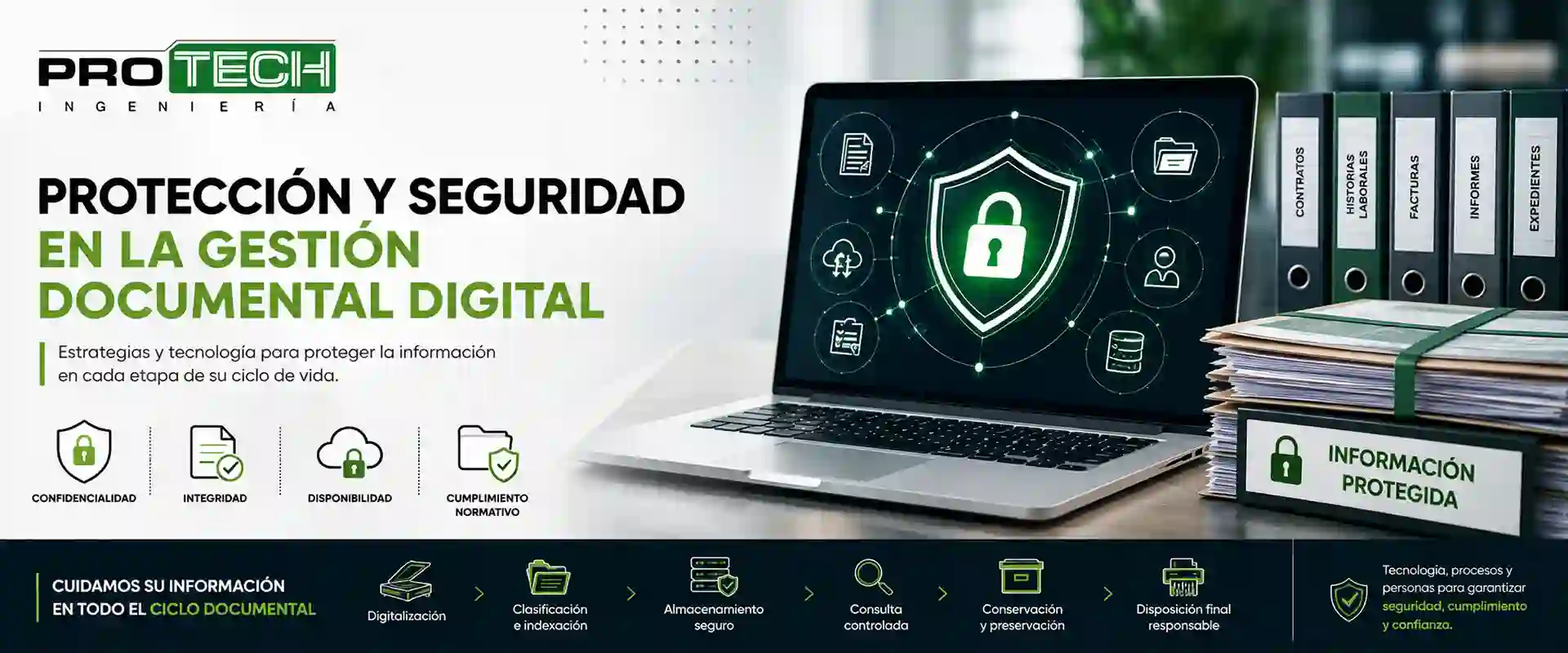
Protecting information is one of the most critical priorities for any organization.
Modern document management systems incorporate security features such as:
- Access control.
- User accounts and permission profiles.
- Data encryption.
- Backup copies.
- Activity history.
- Audit logs.
These features help protect documents from unauthorized access and ensure the proper preservation of information.
Transparency and Regulatory Compliance
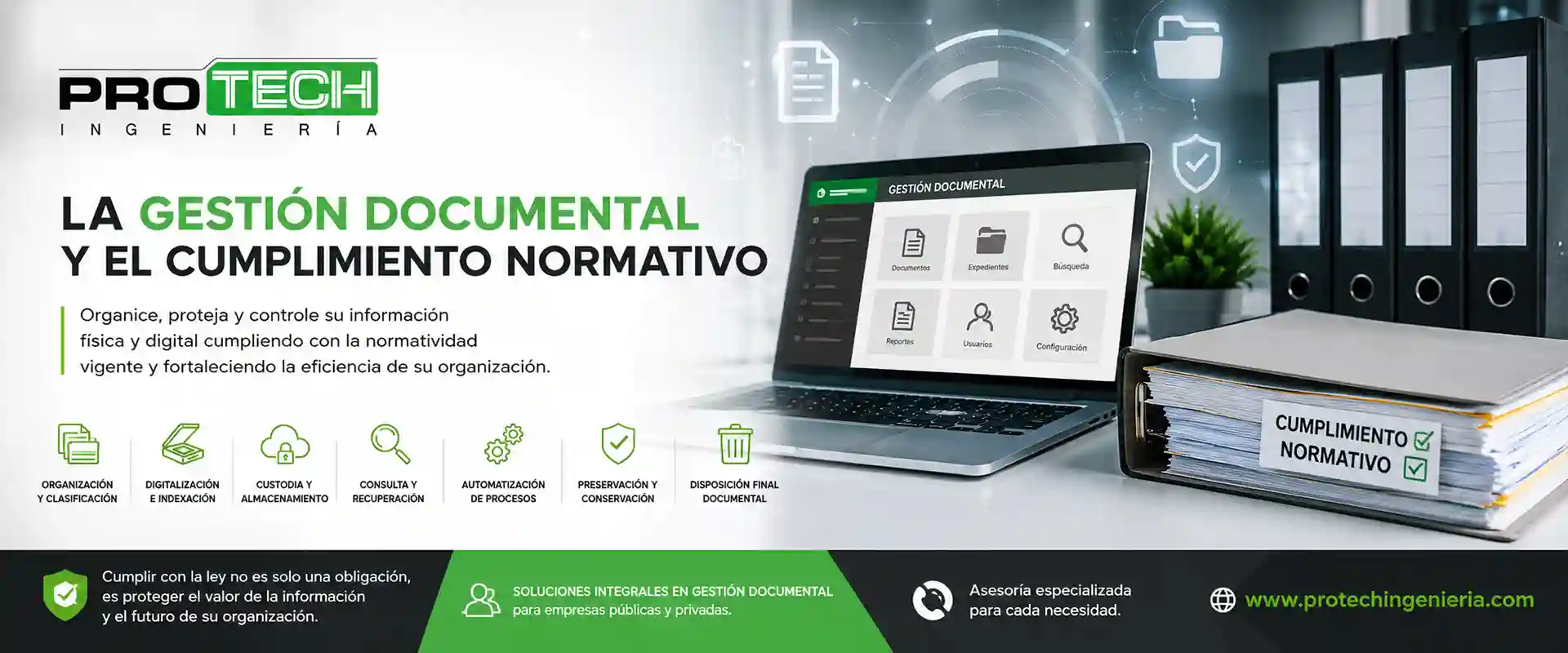
Organizations must comply with various regulations related to document management and information protection.
Document traceability and document management facilitate audits and provide evidence that processes are carried out in accordance with established policies and regulatory requirements.
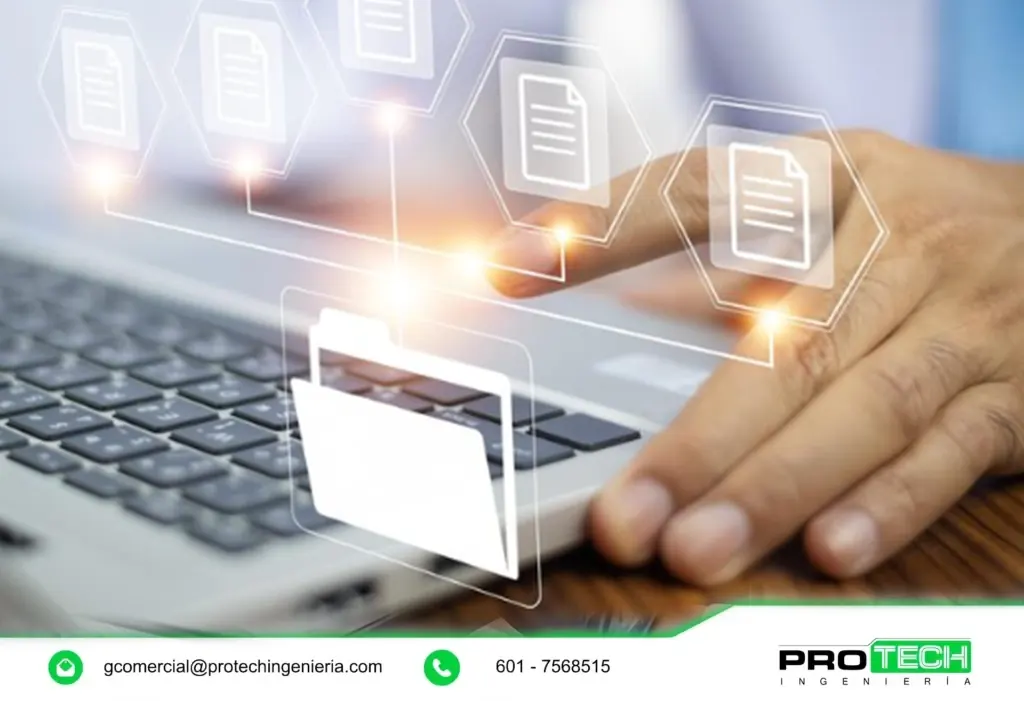
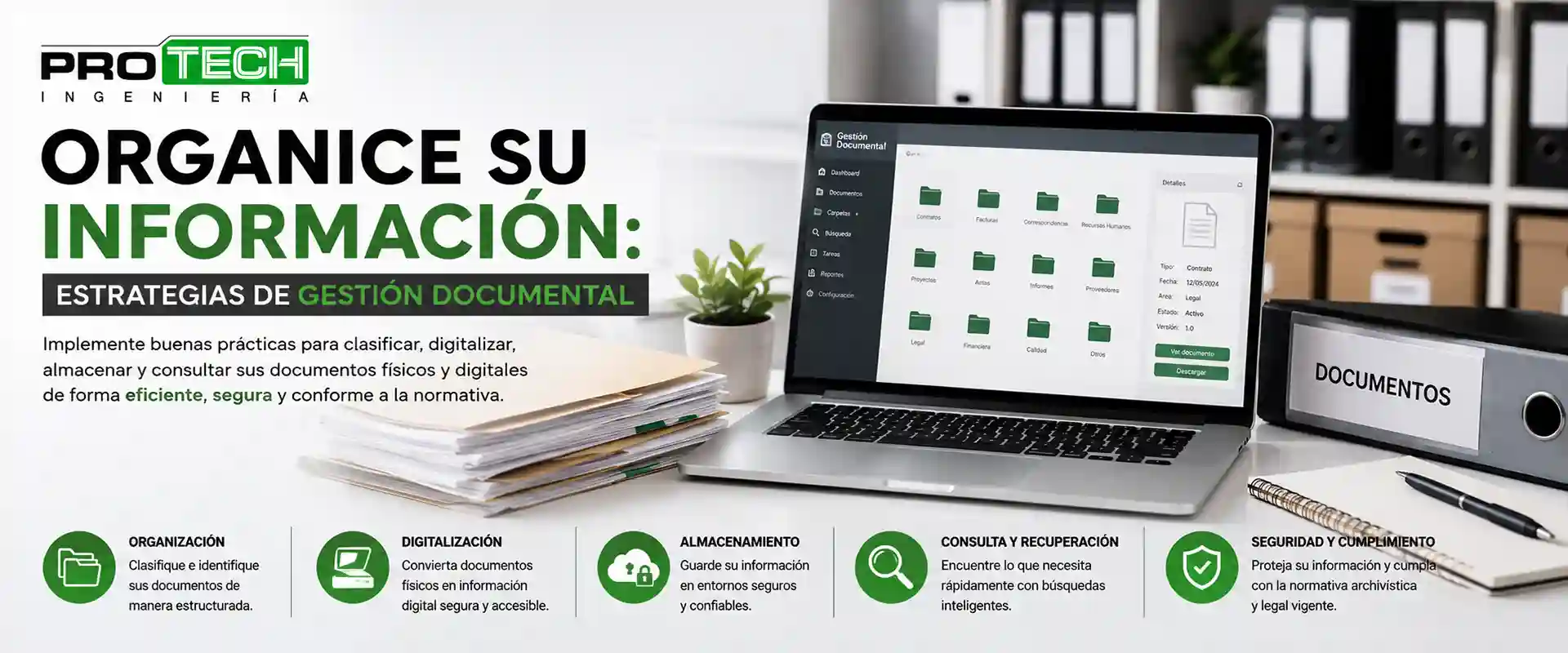
Document Classification as the Foundation of Efficient Traceability
One of the most important services within document management is document classification.
A well-organized structure facilitates information tracking and helps optimize document traceability and document management.
Documents can be classified based on:
- Document type.
- Responsible department.
- Date of creation.
- Access level.
- Document status.
The use of archival tools such as Document Retention Schedules supports proper records organization and ensures effective control over documents.
Document Indexing and Description
Document indexing is another essential process within document management services.
It involves assigning metadata and keywords to each document to facilitate fast and accurate retrieval.
Indexing may include:
- File or case numbers
- Dates.
- Responsible person.
- Document type.
This process significantly improves document traceability and document management, allowing information to be located in a matter of seconds.
In addition, it enhances document retrieval and the management of large volumes of information.
Document Digitization and Access to Information
Document digitization has become one of the most important services for modern organizations.
Converting physical documents into electronic files improves preservation and enhances access to information.
- Reduced paper consumption.
- Immediate availability.
- Electronic backup.
- Enhanced security.
Document digitization significantly strengthens document traceability and document management, as it enables every action performed on each document to be recorded.
Data Capture and Document Automation
Another essential service is data capture.
This process makes it possible to extract relevant information from documents using technologies such as:
- OCR (Optical Character Recognition).
- Artificial Intelligence.
- Smart forms.
- Process automation.
Automated data capture reduces manual tasks and improves the accuracy of information processing.
Likewise, document automation makes it possible to:
- Assign responsibilities.
- Generate alerts.
- Track deadlines.
- Monitor document files.
All of these capabilities help optimize document traceability and document management while increasing operational efficiency.
Document Storage and Specialized Archival Services
Organizations that manage large volumes of information require suitable facilities to preserve their records.
Document custody services provide secure storage for documents in specialized facilities designed to ensure proper protection and preservation.
Key benefits include:
- Fire protection.
- Physical security.
- Space optimization.
- Continuous availability.
The combination of document custody and document management systems strengthens document traceability and document management, making it possible to identify the exact location of every file.
Document Retrieval and Access
Document retrieval is another essential component of the document lifecycle.
Document management systems enable organizations to retrieve information quickly and securely, preventing delays in business processes.
The benefits of these services include:
- Immediate access.
- Complete traceability.
- Retrieval history.
- Remote availability
As a result, organizations can manage information more efficiently and respond promptly to requests from customers and regulatory authorities.
Document Preservation and Conservation
Document preservation aims to protect records from factors that may compromise their integrity.
Preservation programs include:
- Document cleaning.
- Restoration.
- Protection of storage media.
- Environmental monitoring.
These activities help extend the lifespan of documents and strengthen document traceability and document management over the long term.
Final disposition and document life cycle
Document management encompasses every stage of the document lifecycle.
Once the retention periods established by the Document Retention Schedules have been fulfilled, the final disposition process is carried out, which may include:
- Document destruction.
- Permanent preservation.
- Document transfers.
The proper implementation of these processes helps maintain well-organized records and prevents the unnecessary accumulation of information.
Document traceability and document management ensure that each of these stages is properly recorded, providing greater control over records administration and supporting the continuity of organizational processes.
Strengthen Document Traceability and Take Information Management to the Next Level
If your organization is looking to improve the management of physical and electronic records, now is the ideal time to implement comprehensive document management solutions that enhance information tracking and control.
Start today!
At Protech Ingeniería, we have the experience, expertise, and technology needed to help organizations transform their document management processes.