

The need to optimize archive space has become a priority for organizations that manage information across multiple formats and media. In an environment where document production continues to grow, institutions require methodologies that allow for proper document preservation, efficient management of physical repositories, and ensuring that digital records maintain their integrity over time. By integrating document preservation practices alongside core document management services such as digitization, classification, indexing, and custody, it is possible to achieve more organized, agile, and sustainable processes. This approach ensures that documents remain accessible when needed, protected against risks, and aligned with current archival regulations.
Understanding how physical conservation, digital preservation, and organizational techniques are interconnected allows organizations to strategically optimize archive space, reducing clutter and improving operational efficiency. At the same time, these practices strengthen business continuity, facilitate audits, ensure traceability, and promote the rational use of resources. Therefore, it is essential to analyze how each document management service contributes to better records administration.
The Importance of Document Preservation in Archive Efficiency
When a company seeks to optimize archive space, it must begin by reviewing the overall condition of the documentation it keeps active, as well as the cumulative repositories where older records are stored. Document preservation plays a decisive role in this process, as it encompasses techniques designed to protect the medium, limit its deterioration, and maintain its legibility. In the case of paper documents, this involves controlling factors such as temperature, humidity, lighting, handling, and storage. For digital documents, it means ensuring their integrity through backups, periodic format migrations, and security controls.
Organizations such as the General Archive of the Nation provide official guidelines on preventive conservation that guide public and private institutions in protecting their documentary heritage. These standards help establish best practices that integrate organization, proper use of materials, monitoring of the document lifecycle, and digital preservation strategies.
Document digitization as a way to free up space and protect information
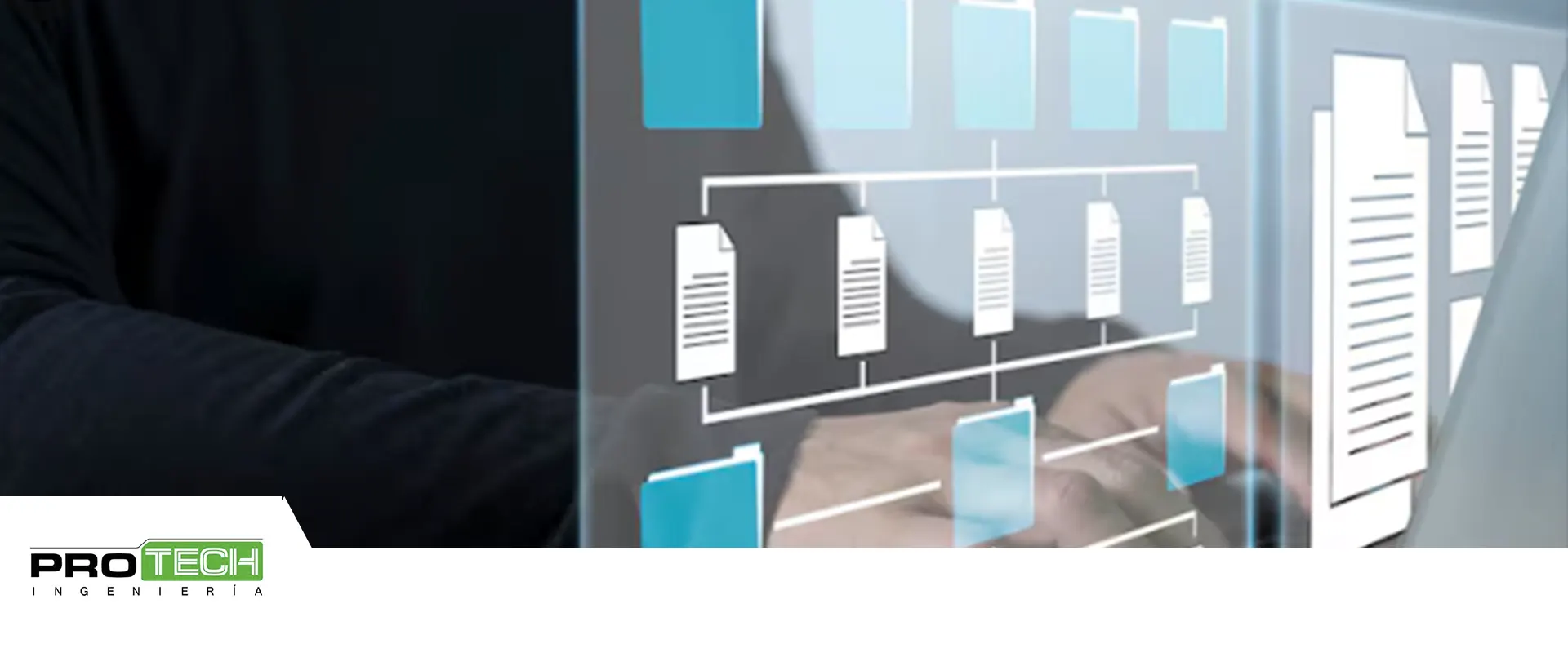
One of the most important steps to optimize archive space is document digitization. This process transforms physical records into electronic files, making it possible to significantly reduce the volume of paper stored while also improving access, security, and preservation. When an organization digitizes its documents, it gains benefits such as:
- Immediate access to information through advanced search capabilities.
- Reduced handling of original documents, increasing their durability.
- Integration with document management systems that enable workflow automation.
- Significant reduction in the physical space required for storage.
Digitization is complemented by indexing, which involves assigning metadata and keywords to each digital document, making it easier to retrieve using criteria such as date, type, responsible party, or subject. This reduces search times and streamlines internal processes.
Classification and indexing as part of archival organization
Document classification is another essential tool for optimizing archive space, as it allows documents to be organized according to their function, document series, or origin. A well-designed classification system facilitates access and reduces the risk of information loss. Among the most common practices are:
- Defining series and subseries based on the organization's structure.
- Using standardized classification codes that enable logical organization.
- Incorporating digital taxonomies that reflect the physical organization of the archive.
- Conducting periodic audits to remove duplicates and obsolete documents.
Indexing complements this process by adding metadata that allows documents to be located immediately within digital repositories. Both practices are fundamental pillars of document management services.
Document custody and specialized storage
Document custody is a widely used service by companies that need to free up internal space and protect sensitive documents. Through this model, records are transferred to external facilities with controlled conditions, designed to extend the lifespan of paper and mitigate risks such as humidity, fires, rodents, or improper handling.
Custody allows organizations to optimize archive space, reorganize their internal areas, and access a traceability system that records every movement of a document. In this way, companies ensure order, security, and controlled access. The Ministry of Culture provides updated information on archival regulations applicable to custody.

Document automation and the use of specialized software
Document automation represents a key advancement for organizations that manage large volumes of information. By integrating systems that automate repetitive processes such as approvals, registration, document distribution, and version control, efficiency is increased and the margin of human error is reduced. These tools also help optimize archive space, as they decrease reliance on paper and enable documents to be managed entirely through digital platforms.
A suitable document management software should include features such as:
- Access control based on user roles.
- Version preservation and traceability.
- Intelligent search engines with advanced filters.
- Integration with email systems, ERPs, or CRMs.
- Backup and digital preservation modules.
Internal policies to ensure organization and preservation
Establishing clear policies allows all members of an organization to act consistently in document management. To optimize archive space, it is essential that these policies include:
- Standards for physical and digital storage.
- Protocols for access, loan, and return.
- Procedures for disposal, transfer, or final disposition.
- Guidelines for handling sensitive documentation.
- Instructions on digitization, classification, and indexing processes.
In addition, ongoing staff training ensures that the techniques applied remain up to date and that employees understand their responsibility in preserving information.
Physical preservation techniques applied to archives
In addition to digitization, there are specific practices that help optimize archive space and improve the physical preservation of documents:
- Use of acid-free boxes and certified folders.
- Metal shelving with corrosion protection.
- Control of humidity and stable temperature.
- Routine cleaning of the archive to prevent mold and dust.
- Proper handling of records to avoid damage or tearing.
These actions extend the lifespan of documents and reduce the need for costly repairs or replacements.
Institutional benefits of applying these techniques
When an organization implements preservation techniques along with document management services, it can optimize archive space and achieve benefits such as:
- Increased productivity through faster information retrieval.
- Reduced costs associated with storage facilities, paper, and reprocessing.
- Greater protection of documentary heritage.
- Immediate availability for audits, controls, and internal procedures.
- Compliance with archival regulations and administrative transparency.
Strengthening of operational continuity and preservation of institutional memory.
Internal evaluations and continuous improvement
Document management and preservation require ongoing monitoring. Organizations must conduct periodic evaluations of their repositories to determine whether the adopted practices remain effective. This process helps optimize archive space by reviewing physical conditions, updating software, removing outdated documents, and integrating new automation tools.
Do not let disorganization, physical accumulation, or manual processes slow down your company’s growth.
Make the strategic decision to strengthen your repositories, optimize your workflows, and ensure the long-term integrity of your documents.
Start today!
Get in touch with our team and receive personalized guidance to start optimizing your archive spaces and build a more agile, secure, and efficient document management system.