


Digital transformation and the need to optimize resources have made proper information management a determining factor for competitiveness. In this context, digital documents play a central role as drivers of operational efficiency, organizational agility, and informed decision-making. Document management is no longer limited to physical archives; it now encompasses technological, regulatory, and strategic processes that enable comprehensive control of the information lifecycle.
The adoption of digital documents should not be seen as a passing trend, but as a structural component for organizations seeking order, traceability, security and timely access to their records. Digitization, together with services such as classification, indexing, custody, and final disposition, forms a system that transforms the way companies manage their knowledge. Humanize 116 words
Impact of digital documents on business efficiency
The implementation of digital documents generates tangible benefits that directly impact productivity and the optimization of internal processes. One of the main impacts is the reduction of costs associated with handling physical documents, such as printing, transportation, storage, and maintenance of paper archives. By migrating to digital environments, organizations significantly reduce these operational expenses.
Another key benefit is the speed of access to information. Digital documents allow files to be retrieved in seconds through advanced search systems, eliminating downtime and improving collaboration between departments. This ease of access is especially relevant in business environments where information must be shared across different locations, teams, or hierarchical levels.
Security is also strengthened through the use of digital documents, as document management systems incorporate access controls, action traceability, backups, and encryption mechanisms. These functionalities ensure the confidentiality, integrity, and availability of information—fundamental principles of information security recognized by international standards such as ISO/IEC 27001.
Document management services applied to digital documents
The efficiency provided by digital documents is enhanced when they are part of a complete framework of document management services. Digitization is only the starting point; from there, processes such as mass scanning, indexing through metadata, classification based on records retention schedules, and workflow automation are integrated.
Document custody, both physical and digital, ensures the proper preservation of records throughout their administrative, legal, and evidentiary lifecycle. In the case of digital documents, this custody relies on secure technological infrastructures, cloud storage, and backup policies that allow long-term information preservation.
Likewise, controlled document access ensures that users can only access the information relevant to them, while digital preservation guarantees that files maintain their authenticity and readability over time. Finally, final disposition—whether secure deletion or permanent preservation—completes the document lifecycle, aligning with archival and regulatory standards.
In countries such as Colombia, these practices are supported by guidelines from the General Archive of the Nation, an entity that promotes the proper use of technologies for the management of archives and digital documents.

Structured process for document digitization
The transition to digital documents requires careful planning. The first step is to analyze the organization’s needs, identifying document types, volume, frequency of use, and legal or administrative value. This evaluation makes it possible to prioritize which records should be digitized and define the technical criteria of the process.
Subsequently, the appropriate technological tools are selected, including document management software, professional scanners, and storage systems. The correct choice of these solutions is essential to ensure that digital documents meet standards of quality, readability, and security.
Scanning must be carried out under defined technical parameters, ensuring adequate resolutions, standardized formats, and quality controls. Once converted into digital format, documents go through indexing and classification processes, which facilitate their retrieval and management within the system.
This structured approach allows digital documents to be integrated in an organized manner into business processes, improving information control and reducing risks associated with loss or errors.
Information security in digital environments
As the volume of digital documents increases, information protection becomes a strategic priority. Organizations must implement security policies that include role-based access controls, user authentication, and activity monitoring within the document management system.
Regular backups are essential to ensure business continuity in the face of incidents such as technical failures or cyberattacks. Likewise, the use of encryption protects sensitive digital documents, even when they are stored or transmitted عبر external networks.
Staff training also plays a key role. Employees must understand best practices for handling digital documents, as well as the risks associated with improper use of information. International organizations such as UNESCO have highlighted the importance of preserving and protecting digital information as a strategic asset.
Best practices for efficient management of digital documents
To fully leverage the benefits of digital documents, it is necessary to establish clear guidelines that regulate their use. Document policies should define how files are created, stored, accessed, modified, and deleted, ensuring consistency and regulatory compliance.
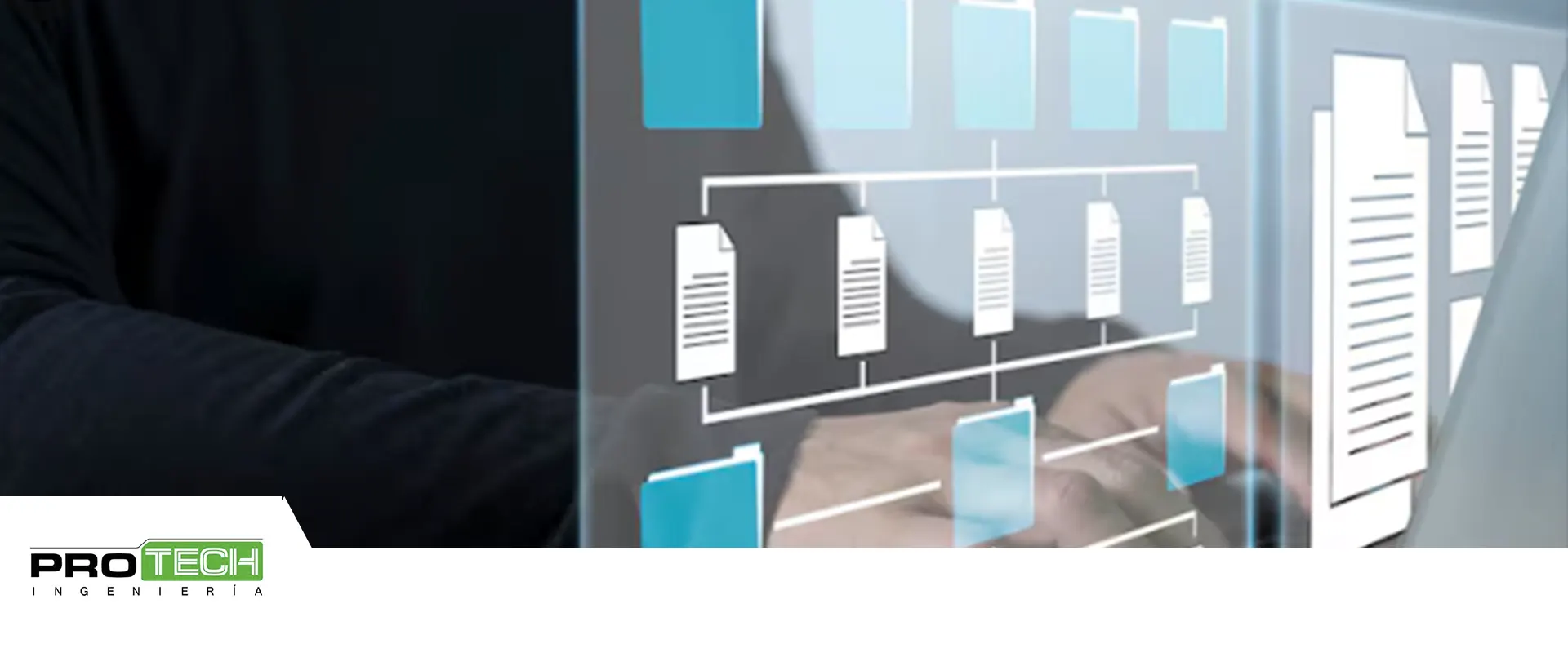
Logical organization of files through hierarchical structures, tags, and metadata facilitates information retrieval and reduces operational errors. Additionally, periodic audits allow for evaluating the performance of the document management system and identifying opportunities for improvement.
Keeping technological platforms up to date is another key aspect. Continuous advancements in software and security make it necessary to review and modernize the tools used to manage digital documents, ensuring compatibility and protection against new threats.
Technological trends applied to digital documents
Technological development continues to expand the possibilities of document management. Artificial intelligence, for example, enables the automation of classification and analysis of digital documents, reducing manual intervention and improving process accuracy.
The automation of document workflows facilitates the approval, distribution, and tracking of files, optimizing time and resources. Likewise, the integration of document management systems with business platforms such as ERP and CRM creates unified and efficient information environments.
Cloud storage is becoming a flexible solution for digital documents, allowing secure remote access from any location. This approach is especially useful in hybrid or remote work models, where information availability is critical.
Today more than ever, business efficiency depends on how organizations manage their information.
If your company still faces difficulties in accessing information, controlling versions, protecting sensitive documents, or responding promptly to audits and legal requirements, it is time to take the next step.
Start today!
Take the first step toward modern, secure, and efficient document management. Turn your documents into a strategic tool for the growth and competitiveness of your organization.