

Efficient information management, together with the implementation of structured archival practices, is an essential pillar for building strong and well-organized business environments. In today's corporate landscape, driven by digital transformation, it is essential to implement document management methods that not only optimize document control, but also enhance internal organization, cross-department collaboration, and the effective flow of knowledge. These comprehensive approaches align document-related processes with strategic business objectives, improving operational efficiency while ensuring long-term information sustainability.
Adopting effective document management methods means understanding that document management extends far beyond document storage. It includes a complete range of specialized services such as document digitization, document custody, document classification, document indexing, document automation, secure document storage and document retrieval. This comprehensive approach strengthens organizational structure and ensures that information remains accessible, protected, and properly managed throughout its document lifecycle. According to organizations such as the National Archives of Colombia, effective document management is essential for ensuring transparency, administrative efficiency, and long-term document preservation.
Archival Techniques Within Document Management Methods
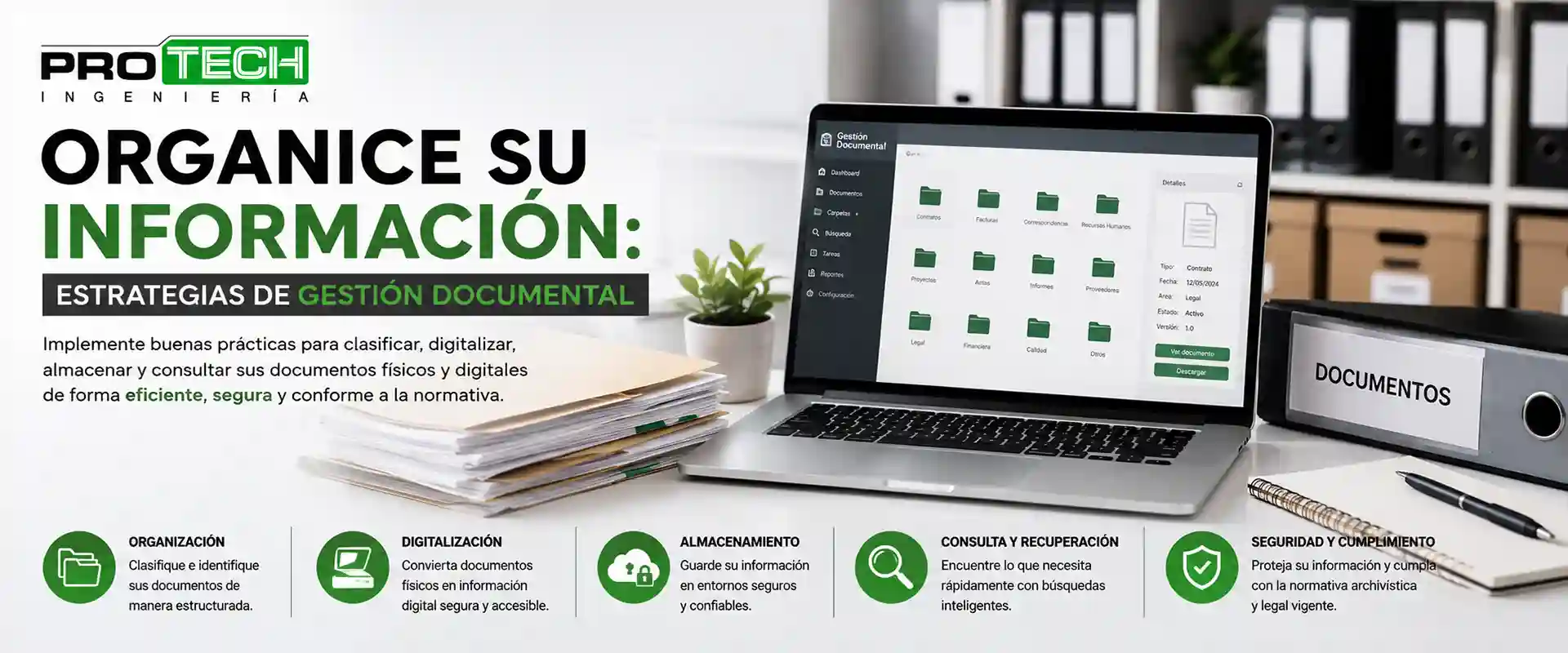
Archival techniques are an essential component of document management methods, as they enable information to be structured in a logical, consistent, and easily accessible manner. These practices include systematic processes focused on document classification, document organization, for both physical and digital records. Proper implementation not only improves the efficiency of information retrieval but also strengthens organizational culture by promoting equitable access to knowledge.
Within these document management methods, document classification plays a critical role by organizing information according to functional, thematic, or administrative criteria. This structured approach simplifies the management of large document volumes while improving process traceability. Likewise, document indexing enables the assignment of metadata that accelerates information retrieval, shortens response times, and minimizes operational errors.
Information Organization: The Foundation of Document Efficiency
One of the core components of document management methods is document categorization. This process involves organizing information into categories and subcategories that reflect the organization's functional structure. By implementing a clear classification system, users can locate documents quickly and accurately, directly improving productivity and supporting more effective decision-making.
Among the most common categories within document management systems are legal documents, financial reports, internal policies, operational manuals, and corporate communications. Properly organizing these records through effective document management methods enhances transparency, strengthens internal communication, and ensures consistency across administrative processes.
Document Digitization as a Strategic Pillar
Document digitization is one of the fundamental pillars of document management methods, as it enables physical documents to be converted into digital formats that are accessible, secure, and easy to manage. This process not only reduces reliance on paper but also facilitates remote access to information, improving operational efficiency and supporting more agile work environments.
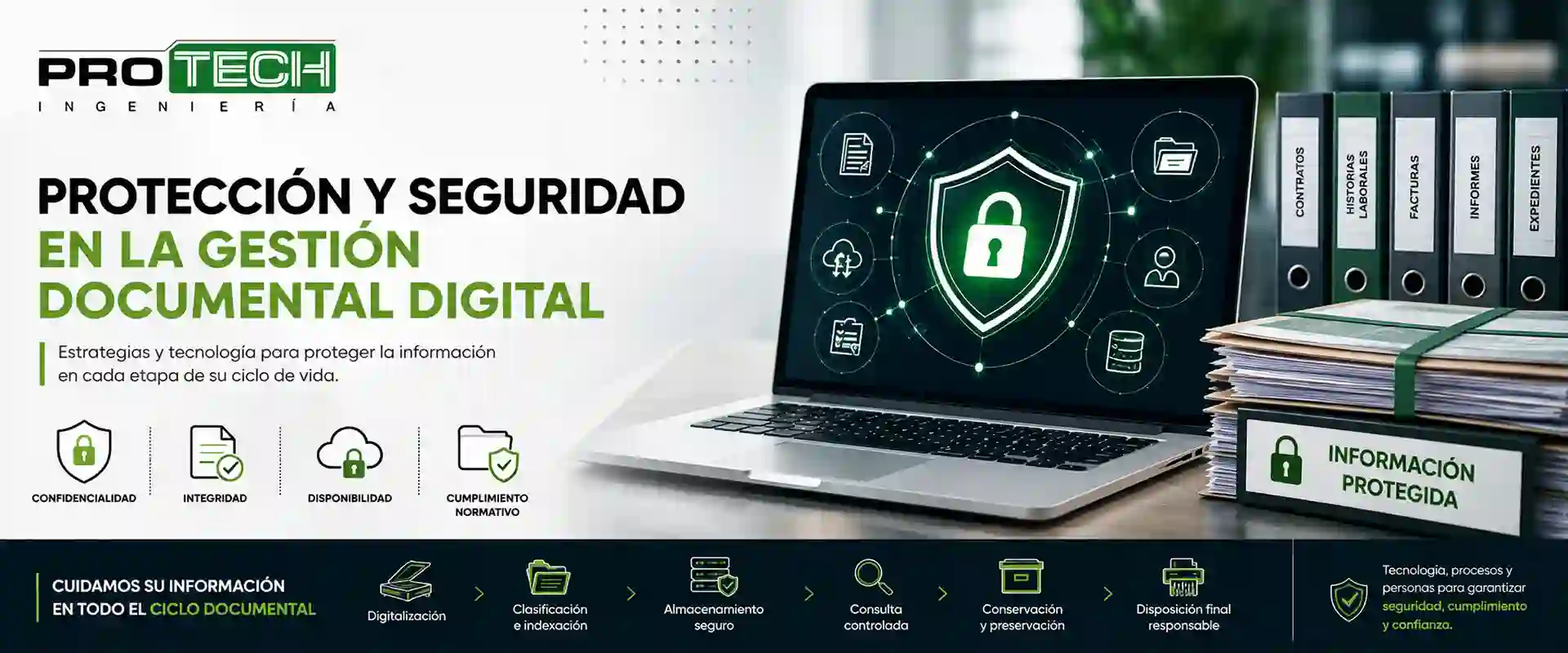
The use of high-volume scanning technologies combined with specialized software makes it possible to integrate digital documents into document management systems that automate processes such as document classification, document indexing, and secure document storage.
In addition, document digitization within document management methods enables organizations to implement reliable backup copies, ensure information recovery in the event of incidents, and reduce costs associated with physical document storage. These benefits make digitization an essential component for organizations seeking to modernize their document management systems.
The Impact of Document Management on Organizational Communication
The proper implementation of document management methods has a direct impact on internal organizational communication. When information is well organized, easily accessible, and kept up to date, teams can collaborate more efficiently, avoiding duplicated efforts and reducing errors caused by missing or outdated information.
Timely access to documents improves coordination across departments, supports faster and more informed decision-making, and enhances transparency throughout organizational processes. In addition, implementing structured document management systems fosters a workplace culture built on trust, clarity, and effective knowledge sharing.
Innovation Driven by Information Management
Document management methods also play a crucial role in fostering innovation within organizations. When information is properly organized and readily available, teams can analyze data, identify opportunities for improvement, and develop new strategies based on reliable evidence.
Document management makes it possible to build knowledge repositories that include lessons learned, best practices, and previous experiences. This type of information is essential for innovation because it encourages knowledge reuse and supports continuous improvement.
Likewise, the automation of document-related processes as part of document management methods reduces manual tasks and frees up valuable time for strategic activities, enabling organizations to enhance creativity and generate greater business value.
Implementing Policies and Training in Document Management
To ensure the success of document management methods, it is essential to establish clear policies that define the guidelines for managing organizational information. These policies should include standards for document classification, secure document storage, and document security.
Employee training is equally important, as it ensures the proper use of document management tools and processes. Ongoing education in areas such as document digitization, document automation, document indexing, and document custody strengthens employees' skills and contributes to building an organizational culture focused on efficiency and continuous improvement.
Evaluation and Continuous Improvement of Document Management Processes
Document management methods should be evaluated on an ongoing basis to ensure their effectiveness. This involves establishing key performance indicators (KPIs) to measure factors such as document retrieval time, classification accuracy, information accessibility, and user satisfaction.
Analyzing these performance indicators helps organizations identify opportunities for improvement and implement meaningful adjustments to their document management processes. This continuous improvement approach optimizes resource utilization, enhances operational efficiency, and ensures consistently high standards in information management.
Technology Applied to Document Management
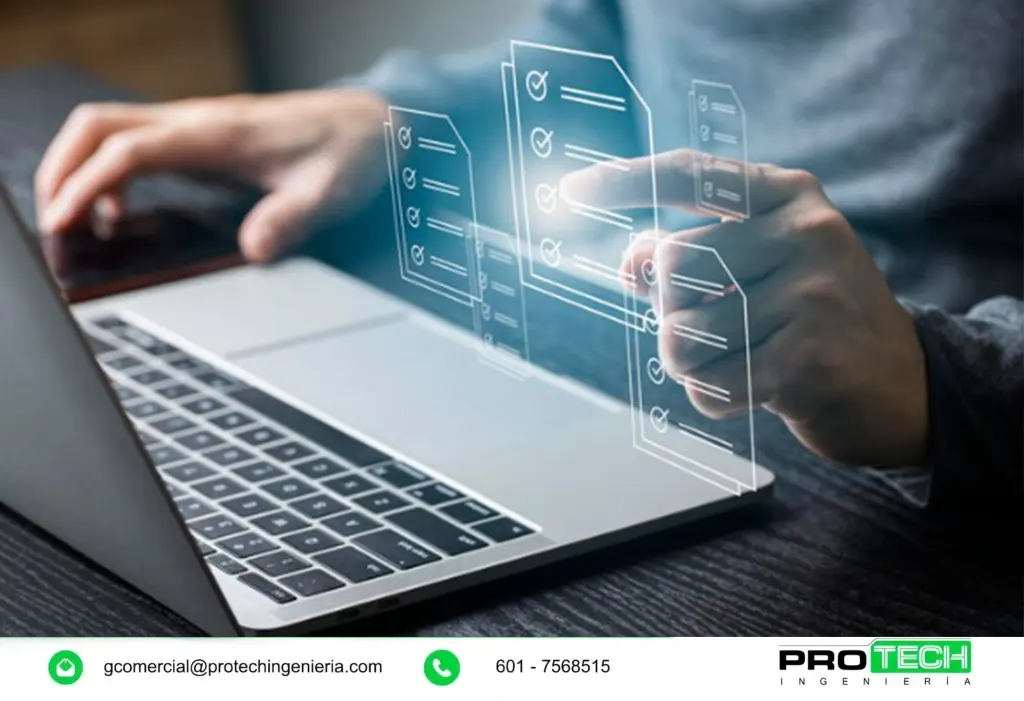
The integration of technological solutions is a key component of document management methods. Document Management Systems (DMS) enable organizations to centralize information, automate workflows, and ensure data security. These platforms incorporate features such as version control, document traceability, restricted access, and cloud storage.
Technology also enhances collaboration in digital work environments by allowing multiple users to work on the same document in real time. These capabilities are particularly valuable in remote and hybrid work settings, where secure and immediate access to information is essential.
In addition, implementing technologies such as artificial intelligence (AI) and Optical Character Recognition (OCR) within document management methods helps optimize data capture, improve document indexing, and automate complex workflows, significantly increasing the efficiency, accuracy, and reliability of information management.
Document Custody, Preservation, and Final Disposition
Within document management methods, document custody ensures the physical and digital protection of records, preserving their integrity and availability. This service includes appropriate storage conditions, environmental controls, and security measures designed to prevent document deterioration, damage, or information loss.
Document preservation, in turn, focuses on maintaining records in optimal condition over time by applying techniques that minimize degradation. Finally, document disposition establishes which records should be retained, destroyed, or transferred in accordance with applicable regulations and document retention schedules.
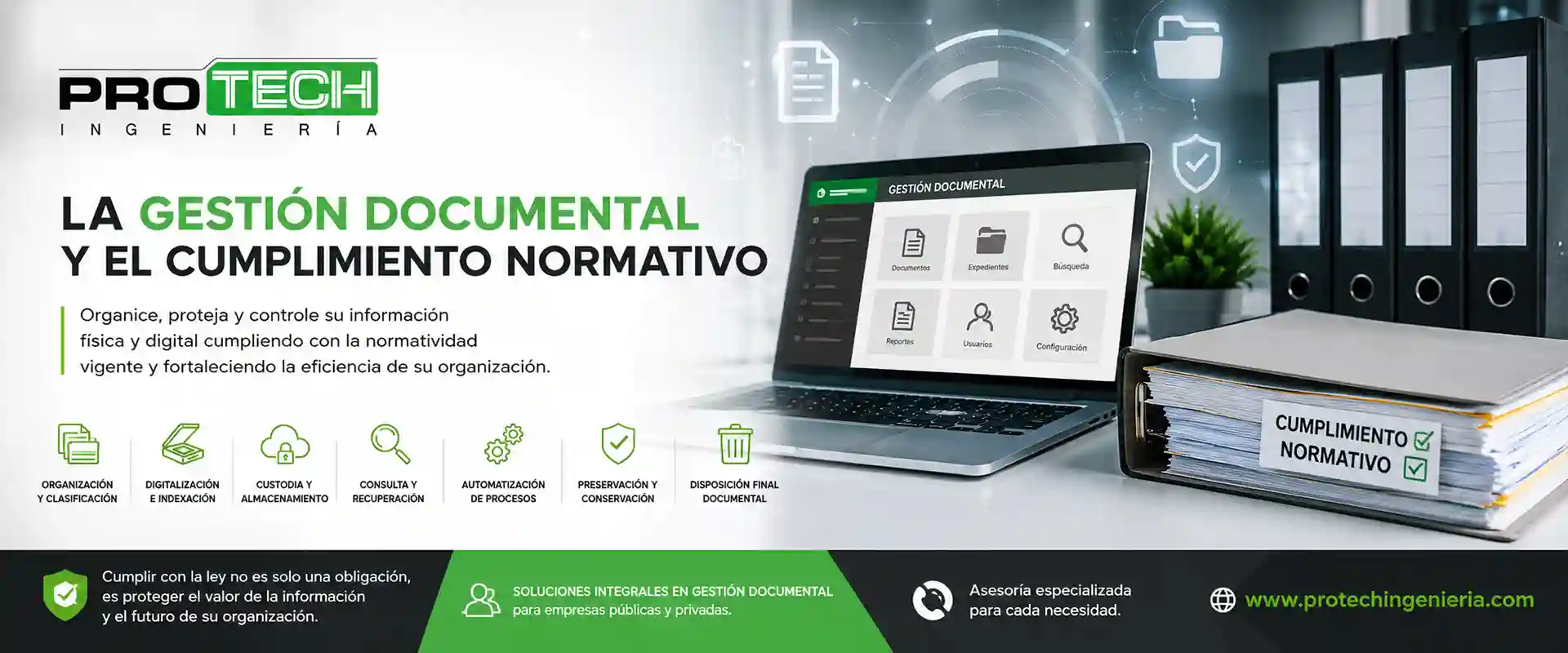
When integrated into document management methods, these processes ensure regulatory compliance, optimize the use of storage space, and support the effective management of the document lifecycle.
Integration of Services in Document Management
Document management methods should not be viewed as isolated processes but rather as an integrated system that brings together multiple specialized services. Document digitization, document classification, document indexing, document automation, document custody, secure document storage, and document retrieval work together to ensure efficient and sustainable information management.
This comprehensive approach enables organizations to adapt to the demands of the digital environment, improve their competitiveness, and strengthen their organizational structure. Proper implementation of these document management methods not only streamlines internal processes but also creates strategic value by transforming information into a critical asset for informed decision-making.
Take Your Document Management to the
Next Level Starting Today
Take advantage of structured document management solutions that simplify access to information, enhance collaboration across teams, and ensure the long-term preservation of your organization's most valuable records. Don't wait until unnecessary risks or operational inefficiencies begin to impact your daily business activities.
Start today!
Contact us today to discover how tailored document management solutions can meet your organization's unique needs. Start building a more efficient, secure, and future-ready work environment today.