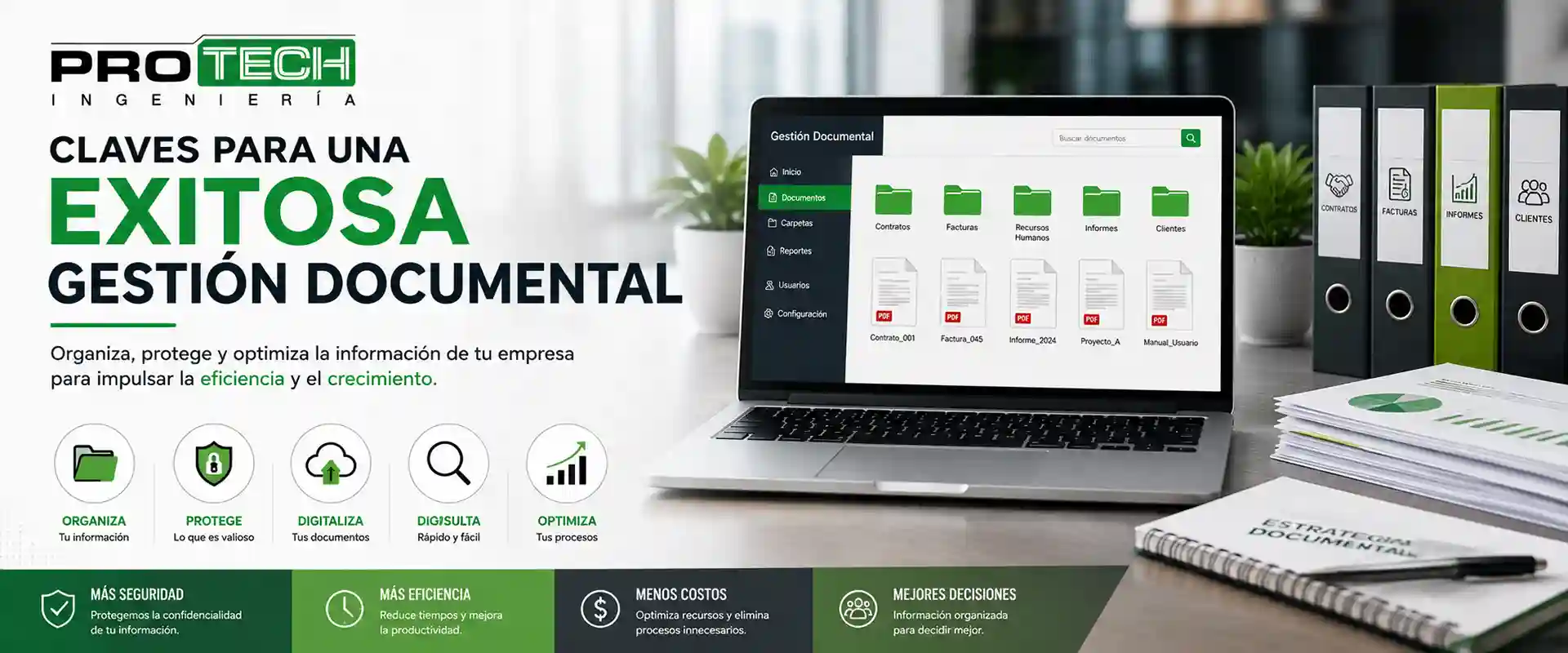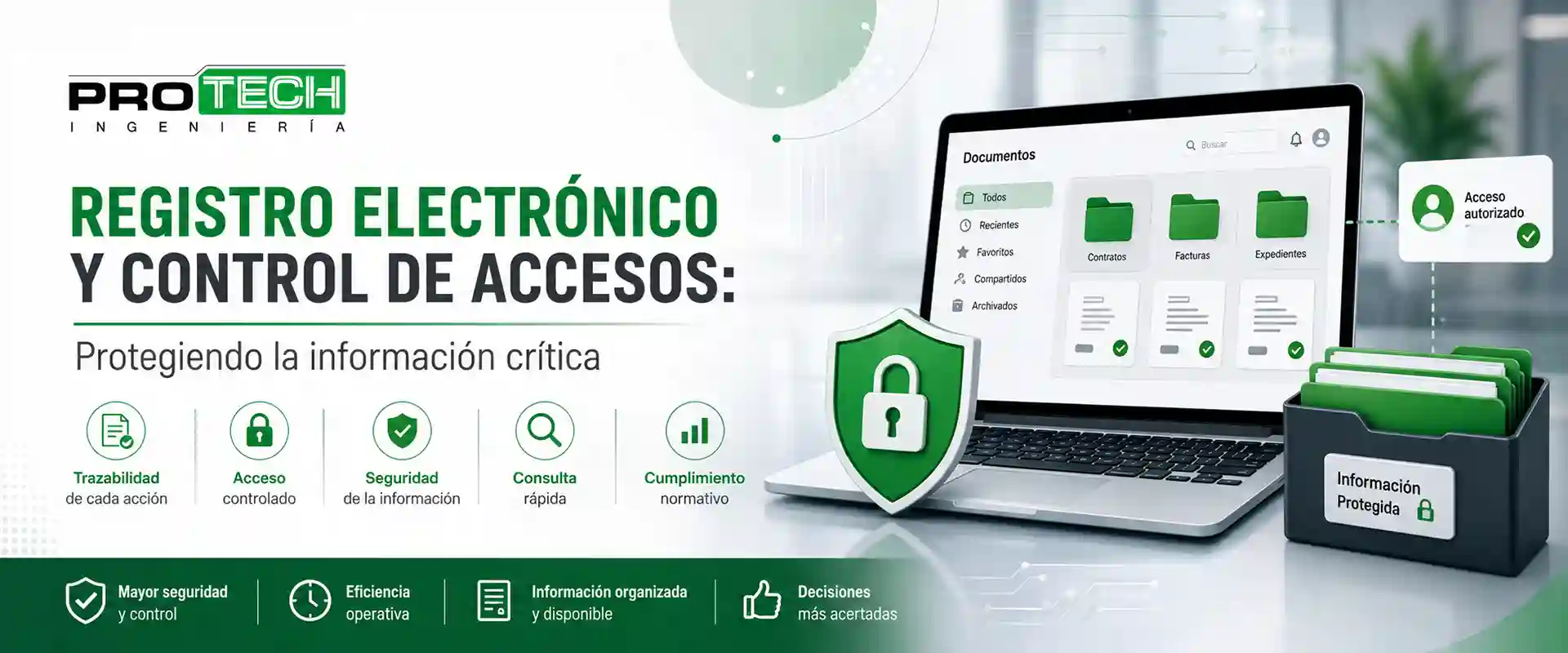


Digital transformation has fundamentally changed the way organizations manage their information. Today, businesses need to optimize processes, reduce response times, and ensure compliance with legal and regulatory requirements related to information protection, secure document storage, and document administration. In this context, document digitization helps ensure regulatory compliance by improving information control, enhancing document traceability, and strengthening data security across the organization.
Technological advancements have led both public and private organizations to adopt document management solutions that efficiently manage both physical and digital records. These systems help organizations comply with regulations related to document preservation, data protection, and internal audits. In addition, document digitization supports regulatory compliance by centralizing information and keeping it organized, accessible, and secure.
The Importance of Document Digitization in Document Management
Document digitization is the process of converting physical records into digital files using technologies such as high-volume scanning, document indexing, and document classification. This process simplifies document retrieval and significantly improves the management of business records.
Organizations that implement document management solutions can integrate services such as document custody, document automation, digital document storage, document indexing, and electronic document retrieval. Together, these services provide comprehensive control over the document lifecycle.
In addition, document digitization helps organizations comply with regulatory requirements by streamlining internal processes related to audits, inspections, and regulatory reviews. The ability to locate critical information within seconds provides a significant advantage for organizations managing large volumes of documents.
Some of the most important benefits of document digitization include:
- Immediate access to information from multiple devices.
- Reduced physical storage space for paper archives.
- Lower operational costs associated with paper-based processes.
- Increased productivity across administrative workflows.
- Better organization of both physical and electronic records.
- Enhanced document security and traceability.
The use of document management systems also enables organizations to automate repetitive tasks, improve workflow management, and strengthen internal control processes. As a result, document digitization has become a strategic asset for businesses seeking to modernize their operations and improve long-term efficiency.
Regulatory Compliance Through Document Digitization
Today, many regulations require organizations to implement effective controls over the information they manage. National and international standards establish specific requirements for the handling of personal data, document preservation, and information security.
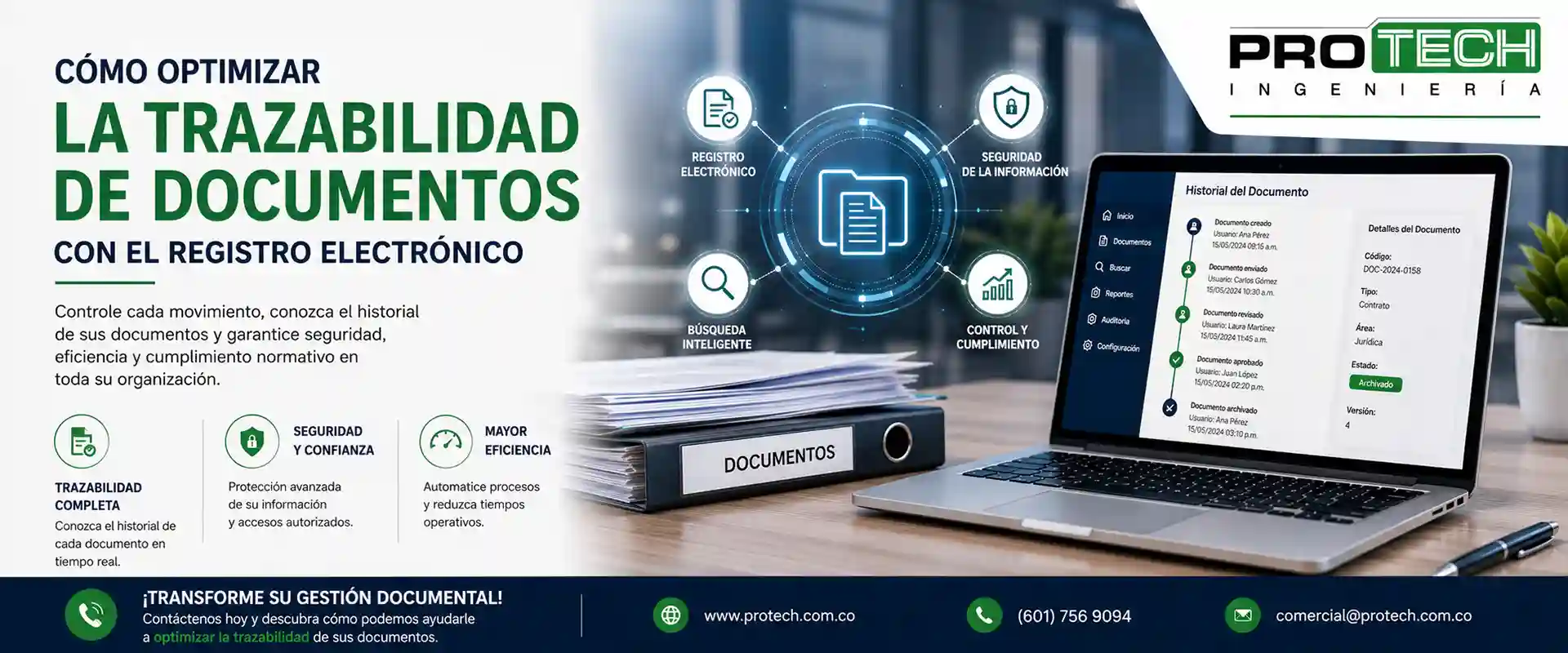
Document digitization helps organizations comply with regulatory requirements by enabling continuous monitoring and tracking of every document throughout its lifecycle. Digital document management platforms make it possible to record who accessed a document, when it was accessed, and what changes were made, providing complete traceability and accountability.
In Colombia, institutions such as the National Archives of Colombia establish guidelines for proper document management and long-term records preservation.
Personal Data Protection
One of the greatest challenges organizations face is ensuring the proper handling of personal data. Data protection regulations require businesses to implement strict controls that prevent unauthorized access and the loss of sensitive information.
In this context, document digitization helps organizations comply with regulatory requirements by providing advanced security features that enable them to:
- Configure access levels based on user roles and permissions.
- Implement multi-factor authentication (MFA).
- Maintain audit logs of document access and modifications.
- Protect files through data encryption.
- Automate secure backup processes.
Document management systems also allow organizations to assign specific permissions to employees, vendors, and clients, ensuring that only authorized users can access sensitive information.
In addition, document automation simplifies the management of processes related to data consent, document retention deadlines, and internal privacy policies, helping organizations strengthen compliance while improving operational efficiency.
Document Preservation and Conservation
Many organizations are legally required to retain documents for specific periods to comply with legal, tax, or administrative requirements. The loss of critical information can lead to financial penalties, regulatory issues, and operational disruptions.
Document digitization helps organizations comply with document retention regulations by enabling records to be stored securely and systematically. Through digital storage solutions and document custody services, organizations can preserve critical information for extended periods while ensuring accessibility and integrity.
Document management services that support document preservation include:
- Physical document custody.
- Digital preservation of historical records.
- Management of document retention schedules.
- Automated document indexing.
- Backup storage on local servers and in the cloud.
- Certified document destruction and final disposition.
Cloud storage also provides an effective way to safeguard information against risks such as fires, floods, and the physical deterioration of traditional paper archives, ensuring long-term business continuity and regulatory compliance.

Streamlining Internal Processes
Beyond regulatory compliance, document digitization significantly improves day-to-day business operations. Implementing digital solutions streamlines administrative tasks, accelerates workflows, and reduces response times across the organization.
Document automation simplifies processes such as:
- Contract approvals.
- Electronic invoice management.
- Document and record retrieval.
- Correspondence registration and tracking.
- Document validation.
- Version control.
By leveraging these capabilities, organizations can optimize their workflows while minimizing human errors associated with manual processes.
Document digitization also supports regulatory compliance by centralizing information within secure platforms and improving the traceability of every internal process. This is especially valuable in highly regulated industries such as healthcare, finance, legal services, education, and government.
Integration of Document Management Services
An effective digital transformation strategy goes far beyond simply scanning documents. Organizations need to integrate multiple document management services to ensure comprehensive and efficient information management throughout the entire document lifecycle.
Some of the most widely used document management services include:
- High-volume document digitization.
- Intelligent data capture.
- Document automation.
- Digital document retrieval.
- File organization.
- Certified document destruction.
Integrating these services enables organizations to build more efficient workflows that align with their operational needs and regulatory requirements.
In addition, document digitization helps organizations comply with regulations by maintaining organized records of every document-related activity, making internal audits and regulatory inspections more efficient, transparent, and reliable.
Information Security in Digital Environments
Document security has become a top priority for modern organizations. As cyber threats continue to increase, businesses must implement advanced measures to protect sensitive information and ensure the confidentiality, integrity, and availability of their data.
Document management platforms typically incorporate security features such as:
- End-to-end encryption.
- Automated data backups.
- Access monitoring and audit logs.
- User and permission management.
- Version control.
Document digitization helps organizations comply with cybersecurity and data protection regulations by safeguarding confidential information and ensuring that business records remain secure, accurate, and readily available when needed.
According to recommendations from the National Institute of Standards and Technology (NIST), organizations should implement robust security controls and document management strategies to reduce the risks associated with data loss, unauthorized access, and information breaches.
Challenges in Implementing Document Digitization
Although the benefits of document digitization are substantial, many organizations face significant challenges during their digital transformation journey.
Resistance to Change
Many employees are accustomed to working with paper records and manual processes. For this reason, organizations should implement training and change management strategies that support the successful adoption of new digital technologies.
Companies can encourage digital adoption through:
- Continuous training programs.
- User guides and platform documentation.
- Ongoing technical support.
- Effective internal communication initiatives.
Initial Investment
Implementing document management systems requires an initial investment in technology infrastructure, software, and employee training. However, the long-term operational benefits and cost savings typically outweigh these upfront expenses.
Reducing paper consumption, minimizing physical storage requirements, and streamlining operational workflows can significantly improve organizational efficiency and profitability.
Regulatory Compliance and Industry Requirements
Each industry is subject to specific regulations governing document management and information handling. As a result, organizations should select solutions that align with their legal obligations and operational requirements.
Document digitization helps organizations comply with regulatory requirements by enabling document management processes to be configured in accordance with national and international standards, ensuring greater consistency, transparency, and long-term compliance.
Future Trends in Document Management
Technological innovation will continue to reshape document management in the years ahead. Emerging technologies such as artificial intelligence (AI), robotic process automation (RPA), and advanced analytics are expected to play an increasingly important role in improving the way organizations manage information.
Next-generation document management platforms will include capabilities such as:
- Intelligent Optical Character Recognition (OCR).
- Automated document classification.
- Automated document validation.
- Predictive data analytics.
These advancements will further streamline document-related processes, reduce operational costs, and improve the accuracy and efficiency of business record management.
In addition, document digitization helps organizations comply with sustainability-related regulations by significantly reducing paper consumption and lowering their environmental footprint.
According to initiatives promoted by the United Nations, organizations that adopt digital processes contribute to sustainable development by optimizing resource utilization and reducing their environmental impact.
Digital Transformation and Business Competitiveness
Organizations that adopt modern document management solutions improve their competitiveness and strengthen their ability to respond quickly to regulatory and operational changes.
Document digitization not only streamlines information management but also enhances the experience of both customers and employees by enabling faster, more efficient business processes.
In addition, document digitization helps organizations comply with regulatory requirements in industries where document traceability, accessibility, and information availability are essential for maintaining transparency and operational control.
By combining document digitization, document automation, secure document storage, physical document custody, and electronic document management, organizations can build more efficient, secure, and resilient business environments that are well prepared to meet the technological challenges of the future.
Optimize Your Business with Advanced
Document Management Solutions
Organizations that adopt advanced document management technologies can respond more quickly to customers, regulatory authorities, and internal business processes, gaining a competitive advantage in today's increasingly digital business environment.
Start today!
Implementing comprehensive document management solutions is a strategic investment that supports business growth, strengthens regulatory compliance, and optimizes every process related to information and records management.