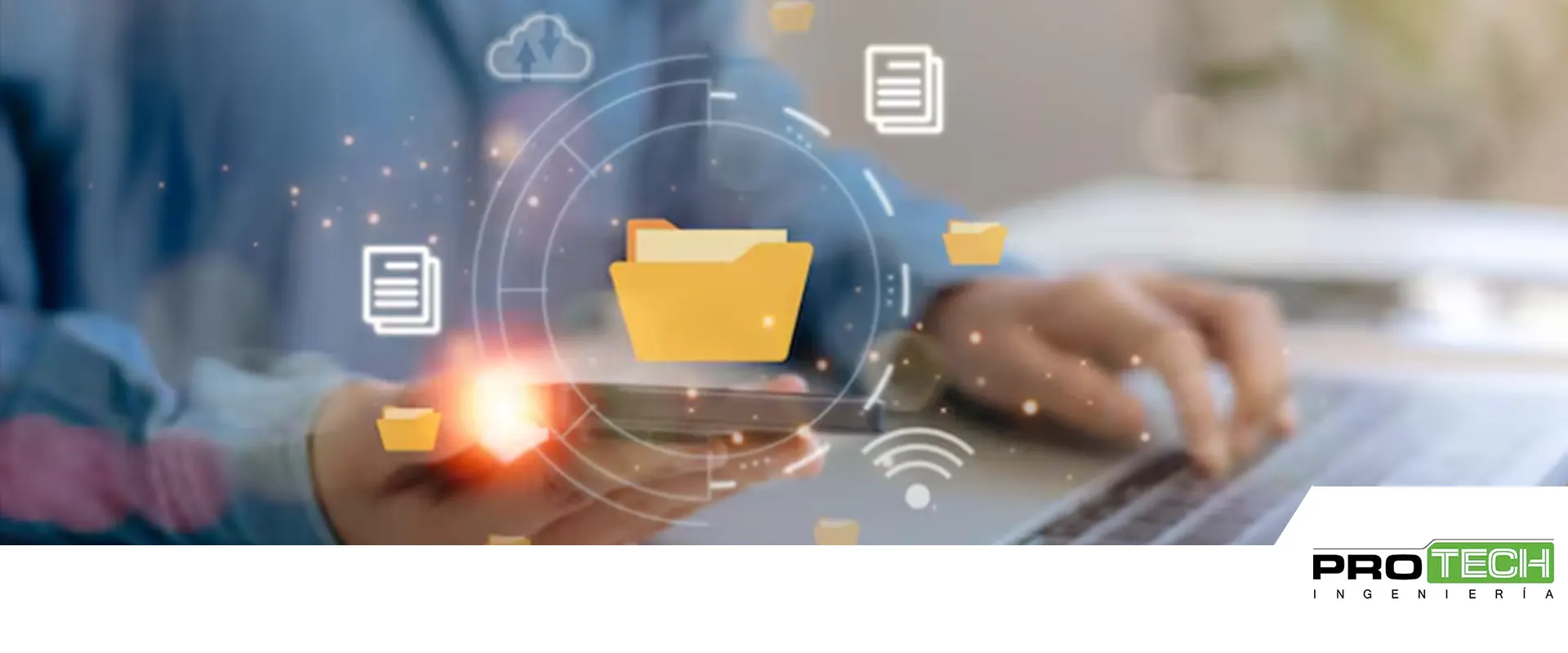


Organizing physical and digital files in 2026 has become a strategic priority for public entities and private companies seeking to improve their productivity, comply with regulations and ensure information security. Document management is not only based on order, but also on the implementation of processes, technologies, and practices that guarantee that every document, regardless of its format, can be preserved, located, and used when needed. As established by institutional entities such as the National Archives of Colombia and the technological guidelines of the Ministry of ICT of Colombia, the proper administration of documents has become an essential component within any organization.
By organizing physical and digital files in 2026, organizations can strengthen the traceability of their documents, ensure compliance with data protection regulations and simplify operational activities associated with the document life cycle. In addition, processes such as classification, digitization, custody, access control, automation, and backup are essential to provide a document management system that is secure and adapted to current needs.
What does it mean to organize physical and digital files in 2026 from a document management perspective?
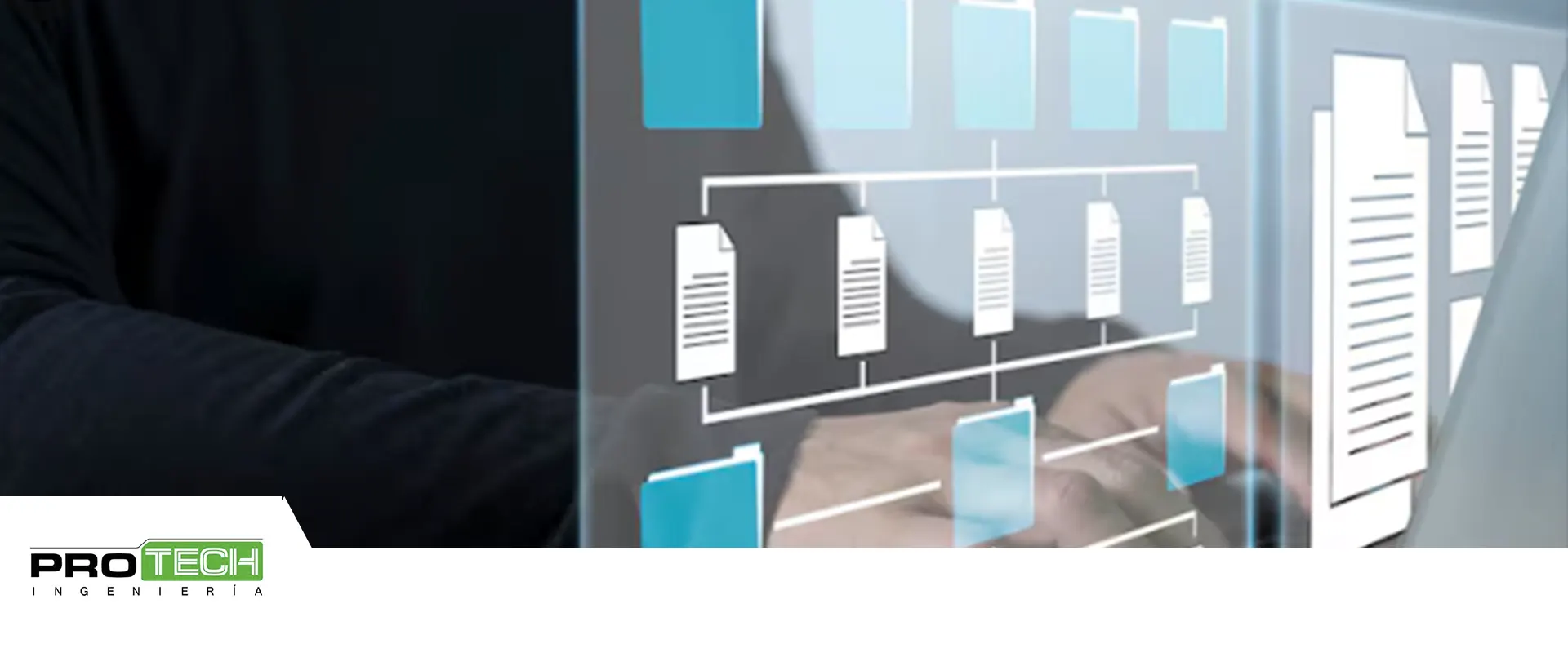
Document management is a structured set of methods, standards, policies, and tools designed for the efficient handling of information throughout its entire life cycle. This includes the creation, capture, classification, storage, preservation, digitization and final disposition of documents. In other words, when referring to organizing physical and digital files in 2026, it means applying best practices that encompass everything from traditional physical archiving services to advanced electronic systems such as DMS, ECM, or document automation platforms.
The document life cycle includes the reception of the document, its classification according to retention schedules, its physical or digital storage, access management, preventive preservation, digitization to facilitate consultation, auditing, workflow automation, specialized custody, and finally, secure disposal when it is no longer necessary to keep it.
Institutions such as UNESCO and the International Organization for Standardization – ISO have repeatedly stated that strong document management is key to ensuring transparency, data protection, and operational continuity.
Therefore, organizing physical and digital files in 2026 means adopting robust and coherent processes that integrate traditional physical archiving practices with cutting-edge technologies focused on digitization and digital security.
Importance of organizing physical and digital files in 2026
A well-structured archive allows documents to be located quickly, prevents duplications, reduces costs, strengthens information traceability, and ensures content integrity. In an increasingly digital global context, organizing physical and digital files in 2026 is essential for organizations to maintain efficient control over their internal processes.
Having an efficient archive allows you to:
- Improve access to information.
- Prevent document loss.
- Establish strict security and access controls.
- Comply with national and international legal regulations.
- Reduce unnecessary expenses related to storing duplicate documents.
- Optimize operational response times.
- Gradually migrate to electronic systems that strengthen remote access.
- Free up physical space through digitization and proper disposal processes.
According to the Law on Transparency and Access to Public Information, the proper organization of documents is key to ensuring the availability and accessibility of official information. For this reason, organizing physical and digital files in 2026 has become an essential standard.
10 best practices for organizing physical and digital files in 2026
The following are ten essential practices for efficiently managing documents, integrating all document management services such as classification, digitization, custody, description, metadata, storage, access control, automation, auditing, backup, preservation, and final disposition.
1. Define a comprehensive document management policy
Building a solid policy is the starting point for organizing physical and digital files in 2026. This policy must establish clear guidelines on classification, access, digitization, security, preservation, disposal, and the use of technologies.
It should include:
- Procedures for physical and electronic archiving.
- Roles and responsibilities of personnel.
- Rules on preservation and disposal in accordance with the law.
- Guidelines for certified digitization processes.
- Controls for document management systems and automation platforms.
The Ministry of Culture, through the National Archives of Colombia (AGN), provides updated guidelines on archiving policies that can serve as a reference to strengthen the internal structure of an organization.
Organizing physical and digital files in 2026 requires the entire institution to adopt and comply with these policies uniformly.
2. Structured classification of physical and digital documents
Classification is one of the most important services within document management. When organizing physical and digital files in 2026, classification should be based on:
- Document Retention Schedules (TRD).
- Document Classification Charts.
- Document typology.
- Series, subseries, and metadata.
- Processes, projects, departments, or dates.
The use of labeled physical folders and the incorporation of metadata in digital documents help reduce errors and speed up inquiries. Institutions such as the AGN consistently recommend updating archival instruments to maintain document order.
Regularly reviewing the structure of the archive is essential to avoid unnecessary accumulation and to ensure that organizing physical and digital files in 2026 is a continuous activity, not an isolated event.
3. Implement an Electronic Document Management System (EDMS)
Electronic document management is essential for organizing physical and digital files in 2026, as it allows large volumes of information to be handled securely, quickly, and in an automated manner.
An EDMS should:
- Incorporate metadata.
- Allow advanced searches.
- Manage permissions and roles.
- Facilitate traceability.
- Protect document integrity.
- Integrate with automation platforms.
Progressively migrating physical files to electronic systems facilitates mobility, internal collaboration, and remote access to critical information.
4. Strengthen access controls and information security
To organize physical and digital files in 2026, it is essential to maintain the confidentiality, integrity, and availability of documents. This involves:
- Define roles and access levels.
- Implement multifactor authentication.
- Record each user’s activity.
- Apply cybersecurity policies.
- Certify processes through standards such as ISO 27001.
In this way, only authorized personnel will be able to view, edit, or delete sensitive documents.
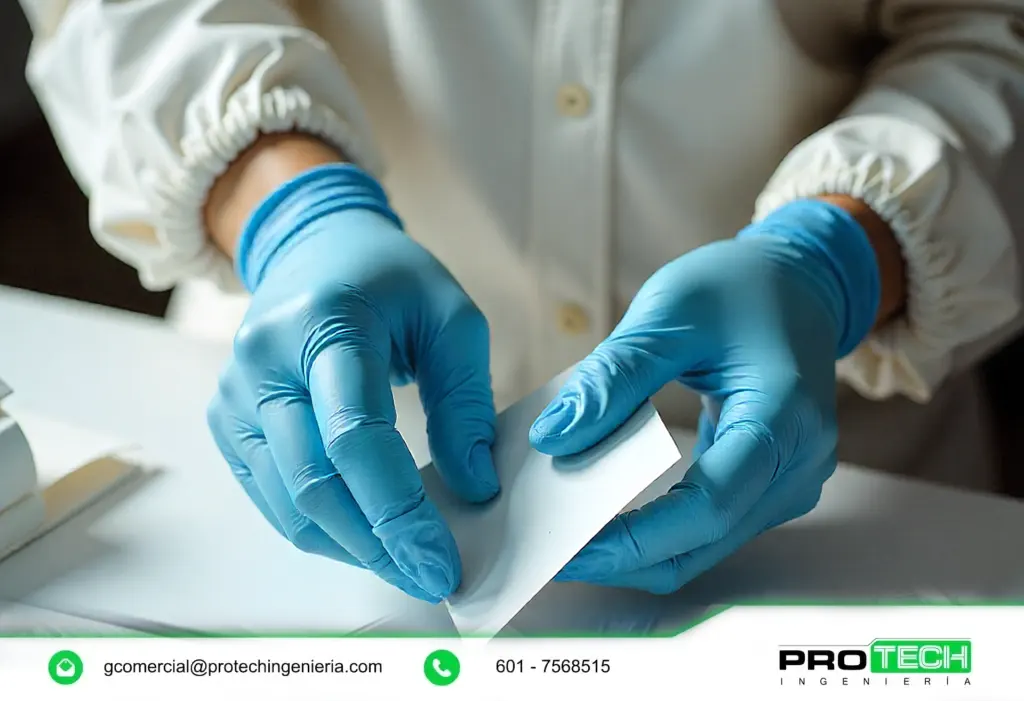
5. Professional document digitization
Digitization, in addition to being a key service of document management, is essential for organizing physical and digital files in 2026. Digitizing ensures preservation, remote access, and reduced paper usage.
An efficient process should include:
- Selection of appropriate scanners.
- Prioritization of critical documents.
- Application of OCR for intelligent searches.
- Image quality control.
- Organized upload into the EDMS.
- Automatic cloud backup.
Professional digitization allows progress toward hybrid archives, where physical and digital media coexist in an organized and secure manner.
6. Clear procedures for document archiving and disposal
The document life cycle includes final disposition; therefore, organizing physical and digital files in 2026 requires applying clear standards on:
- Retention periods according to TRD.
- Classification to determine whether to preserve, digitize, migrate, or dispose.
- Secure destruction methods such as certified shredding.
- Detailed record of each process.
All procedures must comply with the standards established by the National Archives of Colombia and Law 594 of 2000.
7. Continuous staff training
Human resources are key to organizing physical and digital files in 2026. The following should be carried out:
- Training on archival instruments.
- Education in digitization, metadata, and the use of electronic systems.
- Training in digital security and data protection.
- Practical workshops on classification and archiving.
Trained personnel ensure that processes are executed correctly and that quality is maintained at every stage of document management.
8. Audits and continuous monitoring of the archive
To continuously improve document management and organize physical and digital files in 2026, it is necessary to:
- Frequently review policy compliance.
- Update archival instruments.
- Assess the condition of the physical archive.
- Identify duplicates or obsolete documents.
- Audit the use of the EDMS.
- Generate reports for internal control.
Audits help identify risks, correct errors, and strengthen conservation, access, and security processes.
9. Automation of document workflows
Automation, driven by technologies such as ECM or BPM, allows for organizing physical and digital files in 2026 with greater efficiency.
Automated workflows achieve:
- Faster processes.
- Reduced risk of human error.
- Automatic recording of activities.
- Better traceability and control.
- Management of approvals and reviews.
Automation ensures efficiency in tasks such as filing, document approvals, loans, search requests, and version control.
10. Document backup and recovery plans
Protecting critical information is an essential component of organizing physical and digital files in 2026. To maintain archive availability, it is recommended to:
- Perform frequent backups.
- Use hybrid backups (cloud + physical).
- Document recovery procedures.
- Conduct restoration drills.
- Train personnel on continuity protocols.
Governmental and private entities recognize that backups are a mandatory measure to protect strategic information against technical failures, attacks, or emergencies.
If your organization seeks to optimize the way it manages, accesses, and protects its information, now is the right time to take a strategic step toward effective document management.
In a business environment where information is a critical asset, having solid procedures and the support of specialists can make a significant difference in the security and continuity of your operations.
Start today!
We invite you to take the next step and explore how our solutions can strengthen your company's operations.