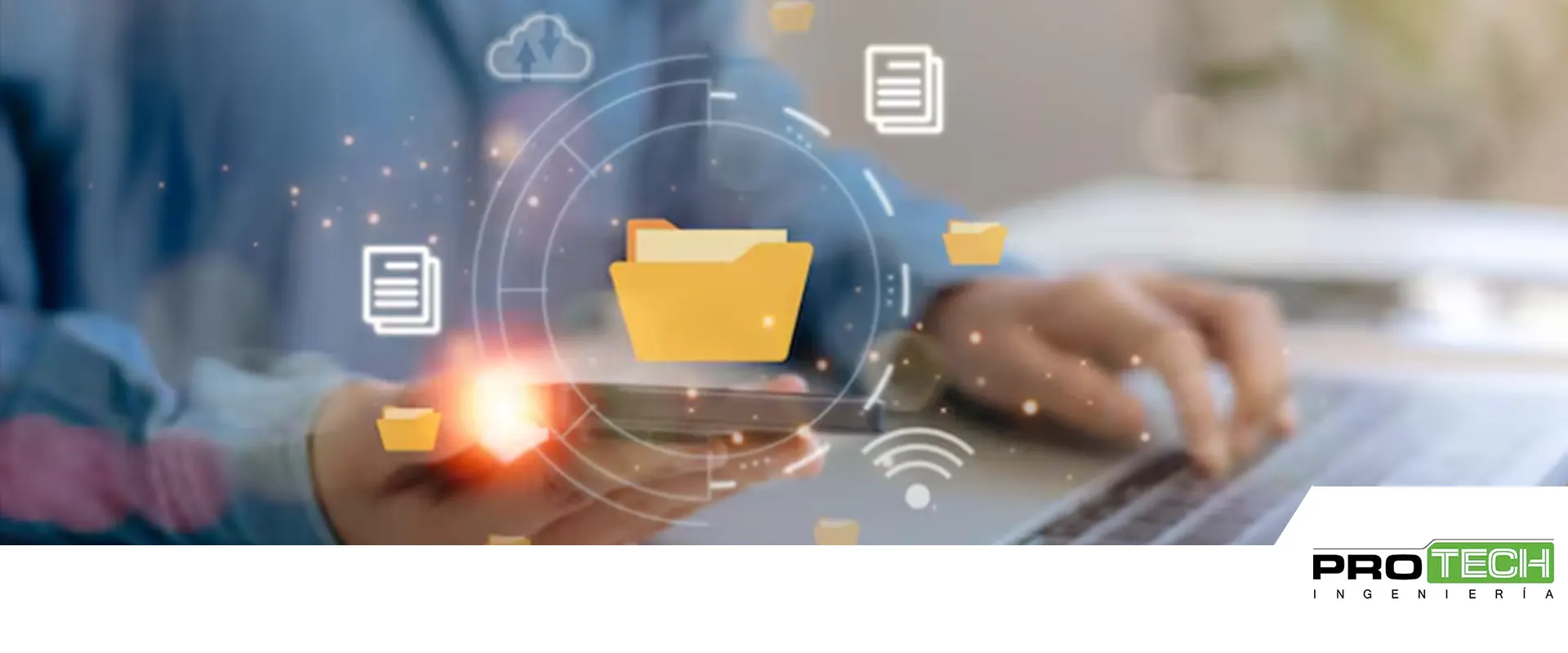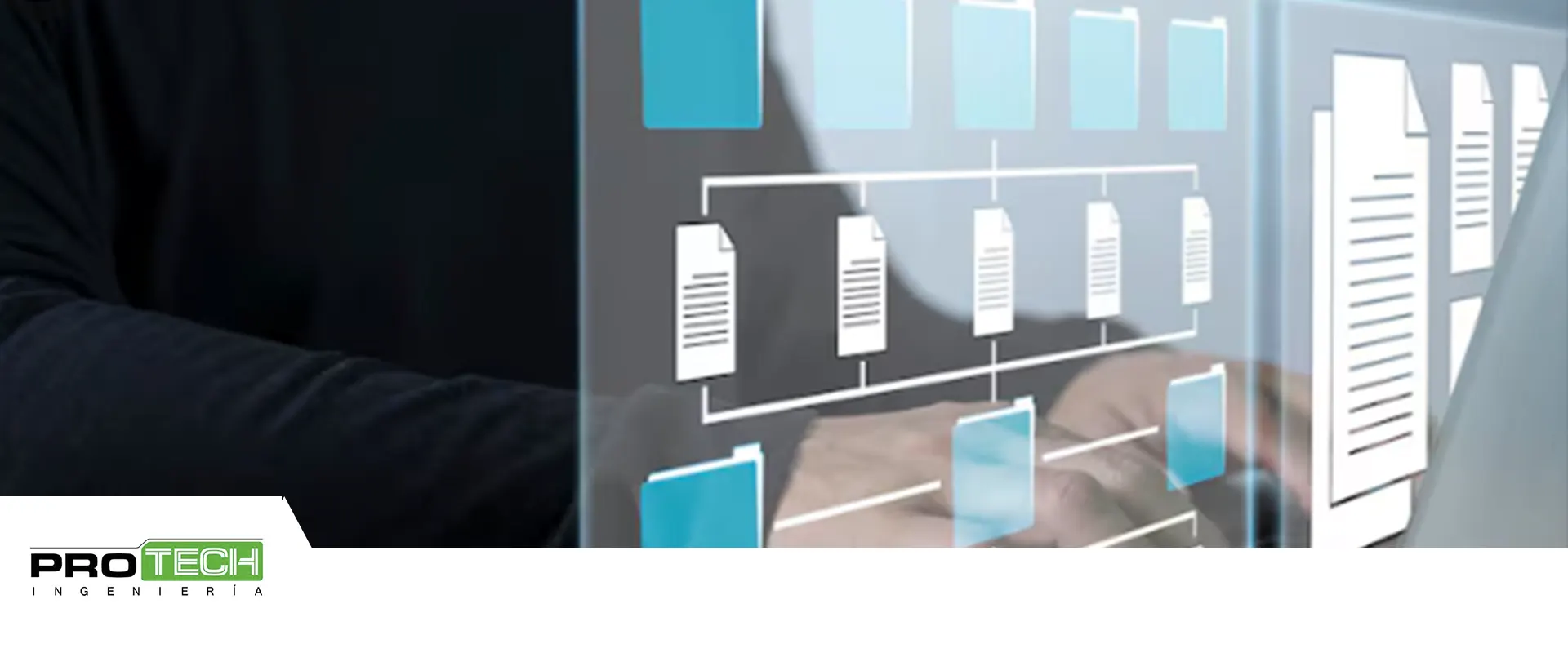



Digital transformation has ceased to be an option and has become an imperative necessity within modern organizational structures. In this context, the electronic record emerges as the fundamental core that redefines how institutions manage their information assets. The transition from traditional methods based on physical media to fully digital ecosystems not only represents a change in format, but also a profound reengineering of operational processes. This technological evolution has as one of its most visible pillars the optimization of workflows, which directly impacts the ability to respond to citizens or end customers. By adopting a robust system, organizations achieve a level of agility that was previously unthinkable. Humanize 117 words
Deep conceptualization of the digital environment
To understand the scope of this tool, it is necessary to define what an electronic record actually is. It is not simply a folder with PDF files randomly stored on a server; rather, it is an articulated set of electronic documents, data, and metadata that form a coherent administrative unit. This digital entity reflects the traceability of a procedure or process, ensuring the integrity and authenticity of information from its creation to its final disposition. The infrastructure that supports the electronic record must be integrated with document management systems that enable seamless interoperability between different departments and external platforms.
The essential components that bring this structure to life include:
Digitized and born-digital records
The content of the record is made up of both documents that have undergone a capture and digitization process and those that were originally created in electronic format, such as digital signatures, web forms, and certified emails.
Metadata schemas
These are the data that describe the context, content, and structure of documents. An electronic record without standardized metadata is simply a set of isolated data; thanks to them, information retrieval becomes instant and accurate.
Workflow orchestration
Automated systems intelligently assign tasks, establishing alerts and deadlines that minimize downtime between one stage of the process and the next.
Traceability and auditing
Every interaction with the electronic record is logged in an unalterable history, allowing it to be known who, when, and why a modification was made, ensuring security.
Integration of document management services
The effectiveness of the electronic record is not achieved in isolation, but depends on the synergy between the various services that make up the document lifecycle. Professional document management encompasses multiple dimensions that must work in a coordinated manner:
1. Certified digitization
It is the first step to transform passive physical documents into usable digital assets. This process allows the information contained on paper to be incorporated into the electronic record with full legal guarantees, facilitating its immediate access.
2. Indexing and classification
Without a clear taxonomy and rigorous metadata-based indexing, information gets lost. Hierarchical classification allows the system to “understand” which document series each piece of information belongs to, optimizing search processes.
3. Process automation
The implementation of rule engines allows the electronic record to automatically move through different approval stages, reducing human intervention in repetitive tasks and, consequently, decreasing operational errors.
4. Storage and custody
While electronic documents reside in highly available and secure digital repositories, original physical documents require technical custody in specialized facilities that ensure their preservation against biological or environmental factors.
5. Access and retrieval
A critical benefit is the democratization of access to information. Multiple users can consult the same electronic record simultaneously from different geographic locations, breaking the barriers of physical presence.
6. Long-term preservation
The challenge of technological obsolescence requires the implementation of digital preservation strategies that ensure the electronic record remains readable in ten, twenty, or fifty years, regardless of changes in software or hardware.
7. Final disposition
Once legal retention periods have been fulfilled, document management determines whether the record should be securely destroyed or if it has secondary value that warrants its transfer to a historical archive.
To further explore international standards on electronic records management, you can consult the guidelines of the International Council on Archives (ICA).
Direct impact on reducing response times
The most tangible benefit of implementing the electronic record is the drastic reduction in waiting times for processing procedures. In traditional models, locating a physical document could take hours or even days, depending on the archive’s location. With digitization and indexing, that time is reduced to seconds. The agility in accessing information allows decision-makers to have all necessary elements at their disposal immediately.
Eliminating internal physical mail and folder transfers between offices not only saves time but also removes the risk of losing or misplacing pages. By automating workflows, the system can detect bottlenecks in real time and reassign workloads, ensuring that the electronic record does not stall at any stage due to inactivity. This is especially critical in public administration, where governmental efficiency directly impacts citizens’ quality of life. According to reports from the Organisation for Economic Co-operation and Development (OECD), the digitization of public services is a fundamental driver of a nation’s economic competitiveness.
Optimization of infrastructure and economic sustainability
Beyond speed, adopting the electronic record generates substantial economic efficiency. The cost of physical space for paper storage in urban areas is extremely high. By reducing reliance on physical media, organizations can free up valuable square footage and cut expenses on supplies such as paper, toner, and printer maintenance.
However, the most significant savings are found in human capital. Employees who previously spent much of their workday organizing, searching, and filing paper can now focus on analytical and strategic tasks that add greater value to the organization. The cost structure transforms: investment shifts from a recurring operational expense in consumables to an investment in technological infrastructure and cybersecurity.
Technical challenges and institutional change management
The transition to a model centered on the electronic record entails challenges that should not be underestimated. The primary challenge is not technological, but cultural. Resistance to change from employees accustomed to analog methods can hinder implementation. It is essential to implement continuous training programs that demonstrate how these tools facilitate daily work rather than complicate it.
On the other hand, cybersecurity becomes a critical factor. By centralizing information in an electronic record, protection against unauthorized access, ransomware attacks, and ensuring the privacy of personal data become absolute priorities. Institutions must comply with strict regulatory frameworks, such as the General Data Protection Regulation (GDPR) in Europe or local transparency and data protection laws.
Towards document intelligence and the future of management
The future of the electronic record is closely linked to Artificial Intelligence (AI) and natural language processing. Soon, systems will not only store information but will also be able to analyze the content of electronic records to suggest resolutions, detect legal inconsistencies, or automatically classify incoming documents with accuracy beyond human capability.
Integration with technologies such as Blockchain will allow each electronic record to have a distributed immutability certificate, raising standards of trust and transparency in digital transactions. Cloud technology, in turn, will facilitate hybrid work models, enabling document management from anywhere in the world with complete security and efficiency.
Implementing these solutions is not just a technical advancement but a commitment to operational excellence. By understanding that each document management service—from capture to preservation—is a necessary link, organizations ensure that the impact of the electronic record on reducing response times is profound, measurable, and sustainable, laying the groundwork for an era of fully agile and connected administration. Stay informed to keep up with trends in electronic administration.
A technological improvement is a strategic decision that transforms management and decision-making.
Adopting solutions based on the electronic record will allow you to drastically reduce response times, optimize resources, and strengthen internal control.
Start today!
Today, you have the opportunity to evolve toward a digital document management model, where information flows securely, traceably, and is accessible in real time.