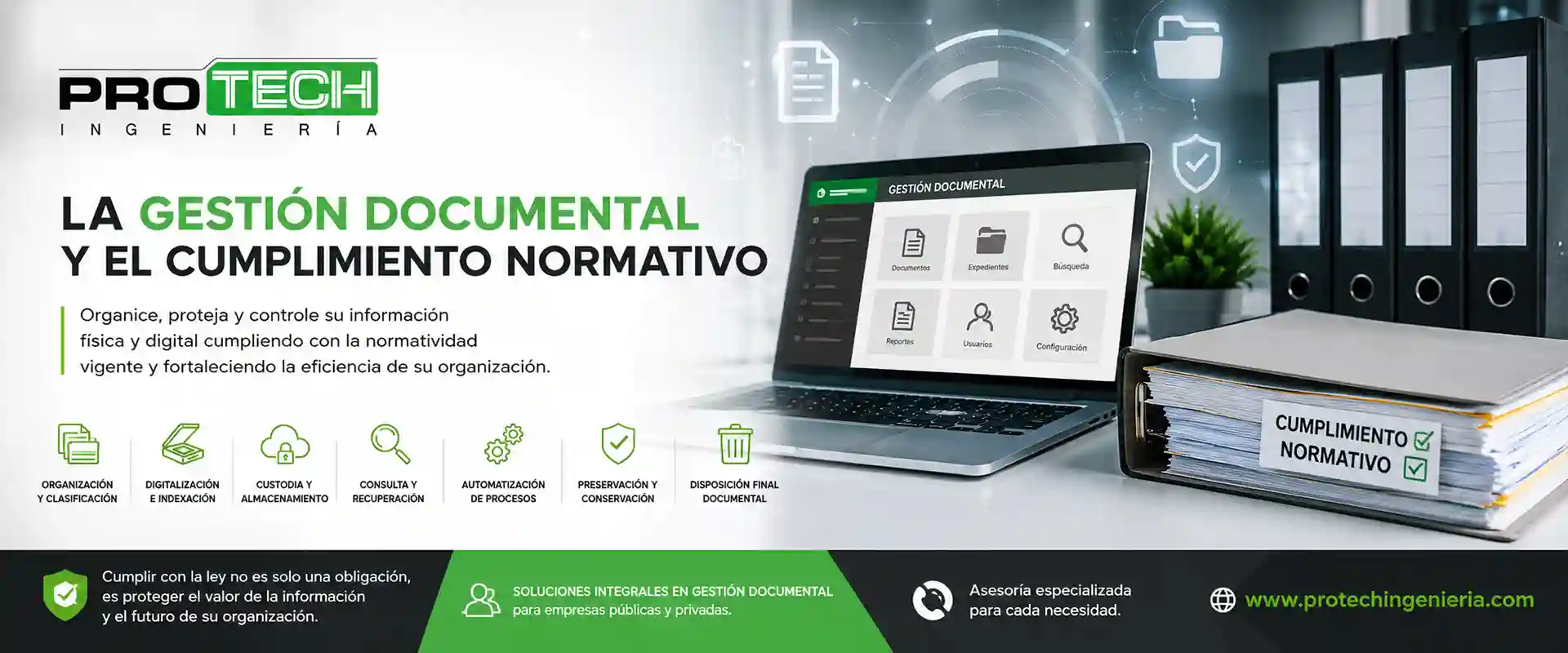



The digitization of documents has become an indispensable element for organizations seeking to optimize internal processes, improve access to information, and strengthen their competitiveness. Establishing a document digitization plan goes beyond merely converting paper files into digital formats; it involves a deep reorganization of how information is created, stored, accessed, preserved, and ultimately disposed of. This process represents a structural change that impacts both the organizational culture and the operational workflows of the company.
A well-structured document digitization plan allows for the integration of all document management services within a coherent system, ensuring that information flows in an orderly and secure manner. In an environment where document volume is constantly growing, having clear methodologies is essential to avoid information loss, rework, and operational inefficiencies.
Strategic relevance of document digitization
The digitization of documents provides direct benefits across multiple levels of an organization. One of the most evident is the reduction of costs associated with physical storage. Maintaining paper files requires dedicating space, furniture, and resources for their preservation. By implementing a document digitization plan, the use of physical space is optimized, and expenses related to traditional custody are reduced.
Another key benefit is improved access to information. Properly classified and indexed digital documents can be located in seconds using document management systems. This increases productivity and allows employees to focus their time on strategic tasks. According to guidelines from the International Organization for Standardization, digitization and proper document management contribute to efficiency, transparency, and operational continuity.
Additionally, a document digitization plan facilitates regulatory compliance. Implementing access controls, traceability, and auditing enables organizations to respond effectively to legal and regulatory requirements. This aspect is particularly relevant in sectors where data protection and information confidentiality are priorities.
From an environmental perspective, digitization promotes more sustainable practices by reducing paper consumption. International organizations such as the United Nations have highlighted the importance of digital transformation as an ally of sustainability.
Initial Assessment: Starting Point of the Plan
The first step in establishing a document digitization plan is to analyze the current situation of the company. This assessment helps identify the existing document volume, the types of documents being managed, and the formats in which they are stored. It is essential to consider both physical files and digital documents scattered across different systems or devices.
Conducting a detailed document inventory facilitates decision-making and allows information to be classified according to its operational and legal relevance. In this process, documents can be grouped into categories such as critical business files, frequently consulted documents, occasionally used information, and obsolete documents that may be subject to final disposition. This initial classification is key to prioritizing actions within the document digitization plan.
Additionally, this stage allows for identifying opportunities to optimize processes, eliminate duplicates, and improve the overall organization of information. The initial assessment lays the foundation for a digitization project aligned with the company’s real needs.
Definition of the Framework and Technology Selection
Once the diagnosis is complete, the next step is to define a clear framework that guides the implementation of the document digitization plan. This framework should consider the project objectives, execution timelines, human resources involved, and the available budget. Having a detailed plan helps reduce risks and ensures process consistency.
Selecting the appropriate technology is a central component of this stage. For the digitization of physical documents, it is necessary to have high-quality scanners that guarantee the accuracy of the information. These devices should be complemented with specialized software, such as optical character recognition (OCR) tools, which facilitate the conversion of images into editable text.
The document digitization plan should also include the implementation of document management systems (DMS), which integrate services such as classification, indexing, storage, and retrieval. These systems provide a centralized view of information and facilitate version control and access permissions. Entities such as the European Commission promote the use of digital platforms for administrative modernization.
The use of cloud services is another relevant option, as it allows remote access to information and facilitates collaboration among teams. When selecting these solutions, it is important to consider aspects such as security, scalability, and integration with other existing systems.
Document Policies and Procedures
For a document digitization plan to be sustainable over time, it is essential to define clear policies and procedures. These guidelines establish the rules for the creation, storage, retrieval, and disposal of digital documents. They also determine access levels and the responsibilities of each user within the system.
Document policies should address issues such as information custody, protection of sensitive data, and the preservation of documents with legal or historical value. Staff training plays a fundamental role at this stage, as it ensures the correct application of established rules. Providing continuous training on the use of tools and good documentary practices strengthens the adoption of the document digitization plan.

Execution of the Digitization Process
The execution phase of a document digitization plan begins with converting physical files into digital formats. This process must follow quality standards that ensure the legibility and integrity of the information. During digitization, it is advisable to review documents to identify outdated or redundant information.
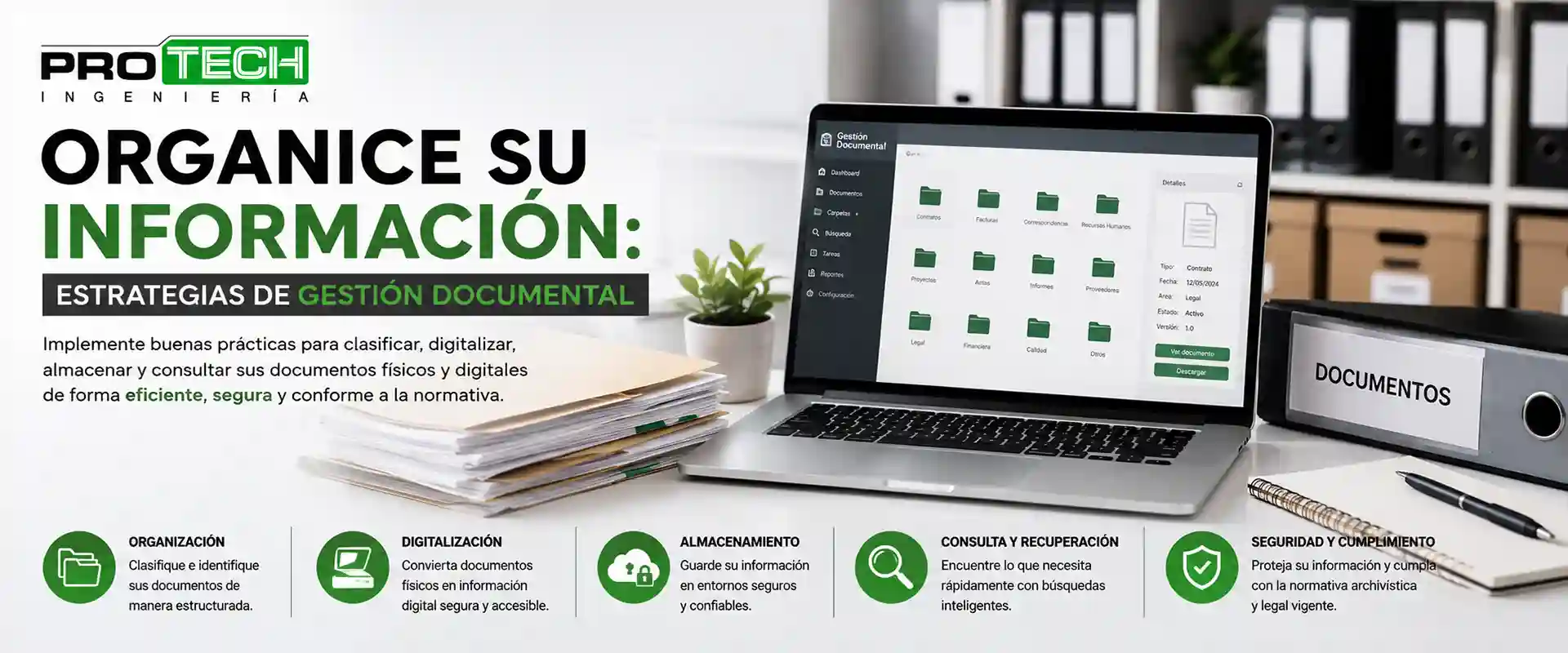
Once digitized, documents should be organized through classification and indexing processes. Assigning appropriate metadata facilitates later retrieval and improves the user experience. These services are an essential part of document management and allow organizations to fully leverage the benefits of digitization.
Document automation can be incorporated at this stage to optimize workflows related to approval, distribution, and archiving of documents. According to the Organization for Economic Cooperation and Development (OECD), automation of administrative processes contributes significantly to organizational efficiency.
Testing, Adjustments, and Validation
Before fully implementing the document digitization plan, it is advisable to conduct pilot tests. These tests allow for evaluating the system’s performance, identifying potential issues, and gathering user feedback. The information obtained during this phase is crucial for making adjustments and ensuring that the system meets the operational needs of the organization.
System validation includes verifying correct indexing, document accessibility, and information security. Clear communication about the benefits of the new digital environment facilitates staff adoption and reduces resistance to change.
Custody, Storage, and Access
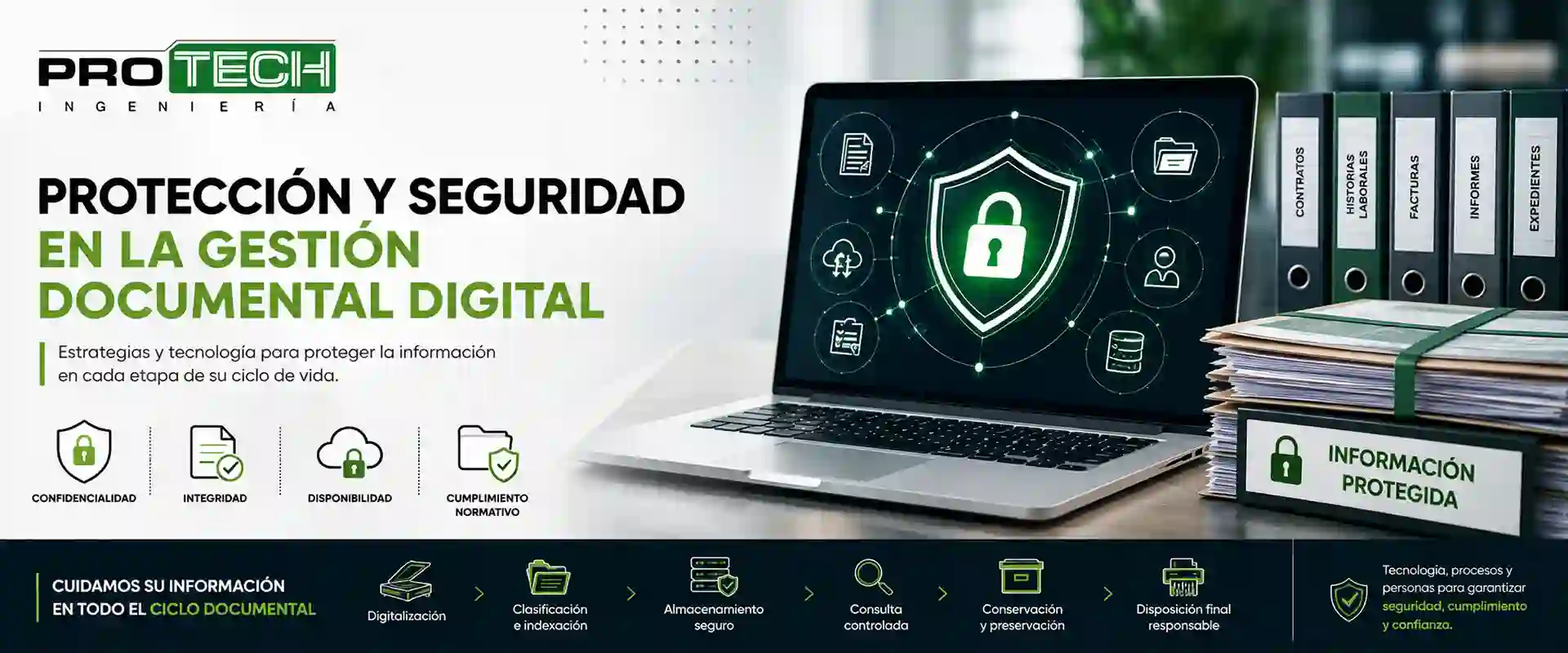
Within a document digitization plan, custody and storage services play a central role. Digital custody ensures the secure preservation of information, while structured storage allows for efficient management of large volumes of documents. These services should be complemented by query systems that facilitate controlled access to information.
Immediate availability of documents improves the company’s responsiveness and strengthens decision-making. Media outlets such as BBC have highlighted the importance of access to digital information as a key factor in business competitiveness.
Preservation and final disposition
The document digitization plan must include the preservation of files that hold legal, administrative, or historical value. This service ensures that information remains intact over time through proper backups and controls. At the same time, final disposition allows for the secure elimination of documents that have completed their lifecycle, preventing unnecessary accumulation of information.
The Archivo General de la Nación and regulatory entities recommend establishing document retention schedules as part of responsible management.
Monitoring and Continuous Improvement
A document digitization plan does not end with the initial implementation. It is necessary to establish monitoring mechanisms that allow evaluating the system’s performance and adapting it to new needs. User feedback and constant updates to tools ensure the evolution of the document management model.
Continuous training, policy reviews, and the incorporation of new technologies help keep the document digitization plan up to date, ensuring that the company fully benefits from integrated and professional document management.
It is essential for your organization to analyze how it is structuring and managing its physical and digital documents.
Designing and implementing a document digitization plan not only allows you to convert files into digital formats but also optimizes document management processes in a comprehensive manner.
Start today!
Moving forward with a well-defined document digitization plan also improves timely access to information, strengthens regulatory compliance, and prepares the organization for more digital, collaborative, and scalable work environments.