


Today, organizations face a highly competitive environment in which efficiency, speed, and proper information management determine the success or stagnation of a business. In this context, understanding why digitalization is essential has become a priority for any entity that seeks to remain relevant in the digital era. Document management, traditionally paper-based, has evolved into digital systems that allow information to be stored, organized, and retrieved in an agile, secure, and sustainable manner.
Why digitalization is essential in the digital era
Document digitization is not just a technological trend, but a strategic necessity. According to Forbes, companies that adopt digital processes can increase productivity by more than 30%, while reducing errors and operational costs. This process involves much more than scanning paper documents; it is about transforming document management into the core of digital transformation. Understanding why digitalization is essential helps visualize its direct impact on efficiency, information security, and organizational sustainability.
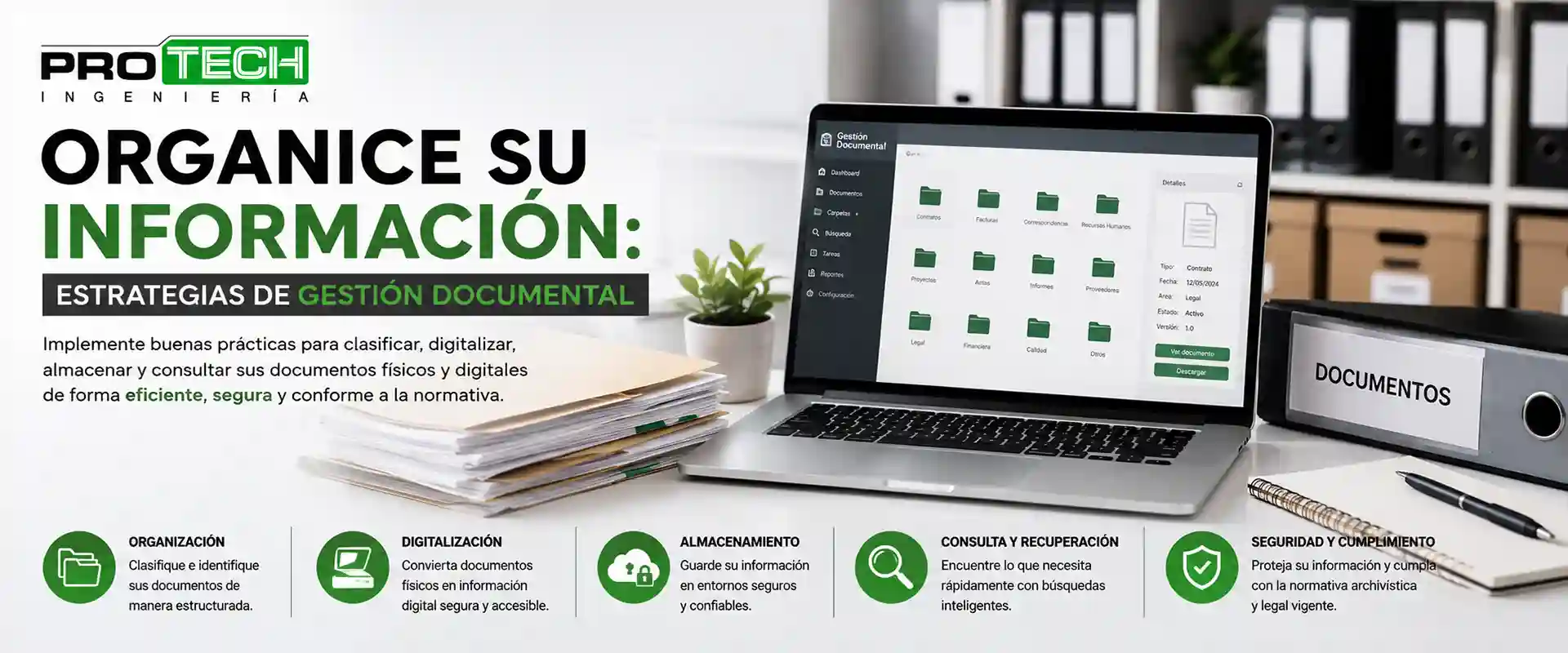
From a document management perspective, digitizing documents means moving from a reactive model to a proactive one, where information is no longer a collection of hard-to-access files but becomes a strategic resource. Implementing a document management system makes it possible to centralize data, facilitate information retrieval, and ensure process traceability. In an environment where every second counts, this capability represents an undeniable competitive advantage.
Document digitization as the foundation of organizational transformation
One of the strongest pillars for understanding why digitalization is essential is its role within digital transformation. Organizations that integrate technological tools into their document management optimize workflows, reduce paper usage, and create more sustainable collaborative ecosystems. According to UN Digital, digitalization contributes to institutional efficiency and promotes a more transparent and connected organizational culture.
When documents are available in digital format, information flows more quickly across different levels of an organization. This not only accelerates decision-making, but also improves the quality of information. In addition, by incorporating digitalization into document management processes, companies reduce risks associated with the loss, deterioration, or improper handling of physical documents.
Companies that still rely on paper face significant limitations. Manually searching for a document can take minutes or even hours, while a digital document management system allows access in seconds. This simple change has a direct impact on overall productivity. In fact, reports from the World Bank highlight that digitally advanced companies are more resilient in times of crisis and demonstrate a greater capacity for innovation.
Efficiency and control in document management
Understanding why digitalization is essential also involves recognizing its direct relationship with operational efficiency. Digitalization makes it possible to automate tasks that previously required large amounts of time and effort. From indexing to intelligent document classification, document management systems integrate artificial intelligence and machine learning to improve processes.
Thanks to these tools, organizations can establish clearer document policies, keep information up to date, and ensure data integrity. Digital document management facilitates the implementation of access controls, automated audits, and full traceability, ensuring responsible and secure information handling. In a world where data is the most valuable asset, having a solid document structure becomes an imperative.
Environmental benefits are also significant. Digitalization directly contributes to reducing paper usage, supporting sustainability policies. According to UNESCO, digitalization is one of the most effective strategies for reducing the ecological footprint of business operations.
Security and guaranteed access
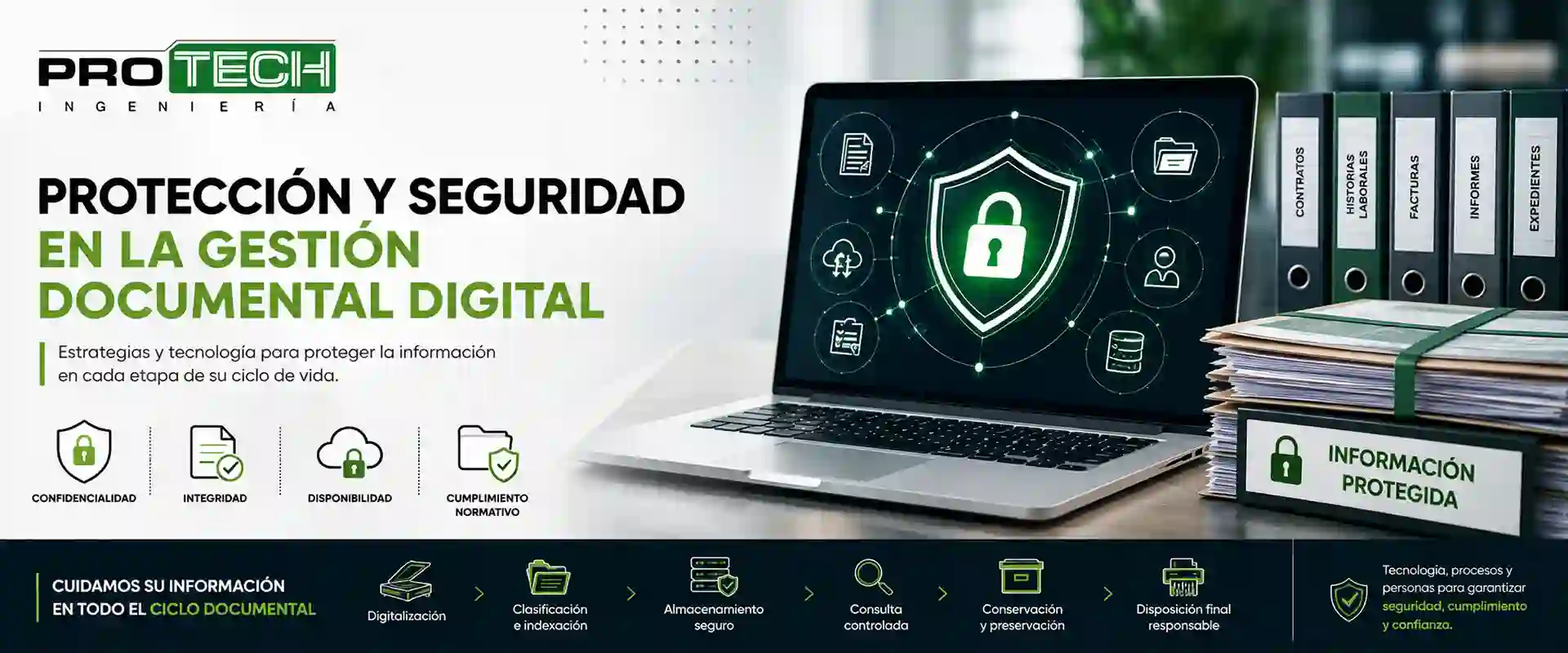
Another key reason why companies seek to understand why digitalization is essential is information security. Physical files are vulnerable to fires, floods, misplacement, or unauthorized access. In contrast, digital systems offer advanced levels of protection, including encryption, user authentication, and automatic backups.
In addition, digitalization improves operational continuity. In the event of any unforeseen situation, digitized documents can be easily recovered from cloud backups, preventing irreparable losses and ensuring high standards of security and regulatory compliance, which reinforces trust in document management.
Remote access is also a decisive advantage. Employees can consult information from any device or location, enabling remote work and real-time collaboration. This flexibility strengthens organizational agility—something impossible to achieve with a paper-based system.
Space optimization and resource savings
One of the most evident reasons why digitalization is essential lies in the efficient use of physical space. Paper files occupy valuable office areas that could be allocated to more productive activities. By migrating documents to digital formats, organizations not only free up space but also reduce costs associated with storage, printing, and file maintenance.
Digital document management enables more precise control of resources. There is no longer a need to invest in furniture, paper, or filing supplies. Everything is centralized on platforms that can be managed from a single environment. According to a report by Harvard Business Review, digitalization can reduce expenses related to physical documentation by up to 70%.
However, savings are not only financial. Time previously spent searching for, filing, or transporting documents can now be dedicated to strategic activities. Document management transforms processes into dynamic workflows, with full traceability and automated monitoring.
Innovation and business competitiveness
In a market that is moving toward automation and artificial intelligence, understanding why digitalization is essential also means recognizing its role in business innovation. Digital information is not only stored—it is analyzed, connected, and transformed into useful knowledge for decision-making.
Organizations that have a document management system can integrate their files with other platforms, such as ERP, CRM, or data analytics systems, creating interconnected ecosystems. This drives efficiency, transparency, and responsiveness to market changes. According to BBC News, companies that digitize their information increase their global competitiveness and adapt more quickly to new technological demands.
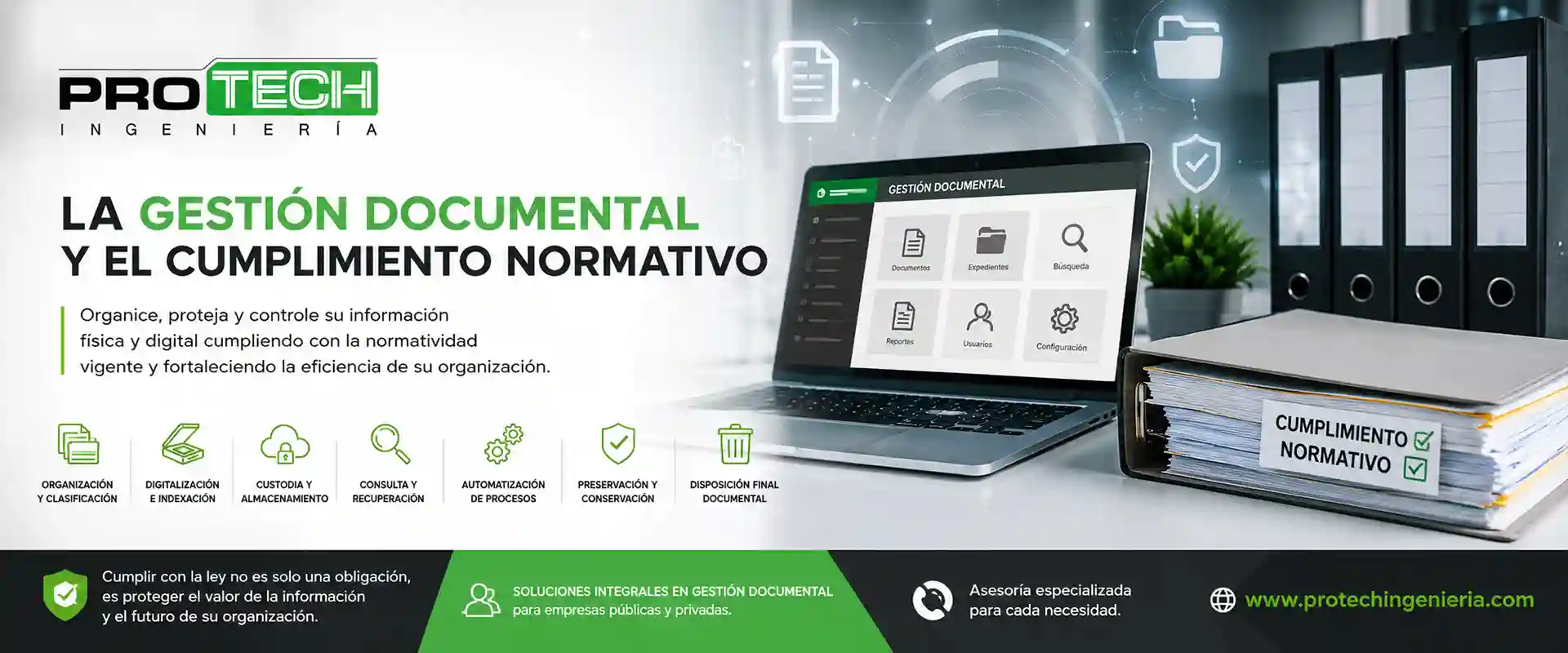
In addition, digitalization contributes to regulatory compliance. Digital systems make it possible to accurately document every action performed on a file, facilitating audits and ensuring traceability. In document management, this tracking capability is essential for maintaining institutional trust and transparency.

Document management as a driver of digital transformation
Talking about why digitalization is essential also means talking about the future of document management. In the digital era, information is power, and those who manage it effectively gain a competitive advantage. Digitalization not only facilitates storage but also transforms organizational culture. Companies that adopt this practice develop more collaborative environments, reduce bureaucracy, and optimize internal communication.
Document management also enables the adoption of emerging technologies such as workflow automation, artificial intelligence, and optical character recognition (OCR), tools that improve the accuracy and speed of processes. These advances strengthen the value of information, turning it into a strategic resource capable of driving innovation.
The shift to digital is not merely a technological upgrade; it is an evolution in how organizations conceive and manage knowledge. As highlighted by the World Economic Forum, companies that prioritize digital transformation and the efficient management of their documents are better prepared to face future challenges.
Therefore, understanding why document digitalization is essential means recognizing its influence across all aspects of business operations—from productivity to sustainability, from security to innovation. Every digitized document represents an opportunity to improve document management, optimize processes, and move toward a more agile, modern, and competitive organization.
Don’t wait any longer to take the step toward the efficiency and
security your organization needs.
At Protech Ingeniería, we offer comprehensive solutions for every stage of the process—from digitization and classification to the implementation of document management systems tailored to your needs.
Start today!
Contáctanos hoy mismo y comience a experimentar los beneficios de una gestión documental moderna, segura y totalmente digital.