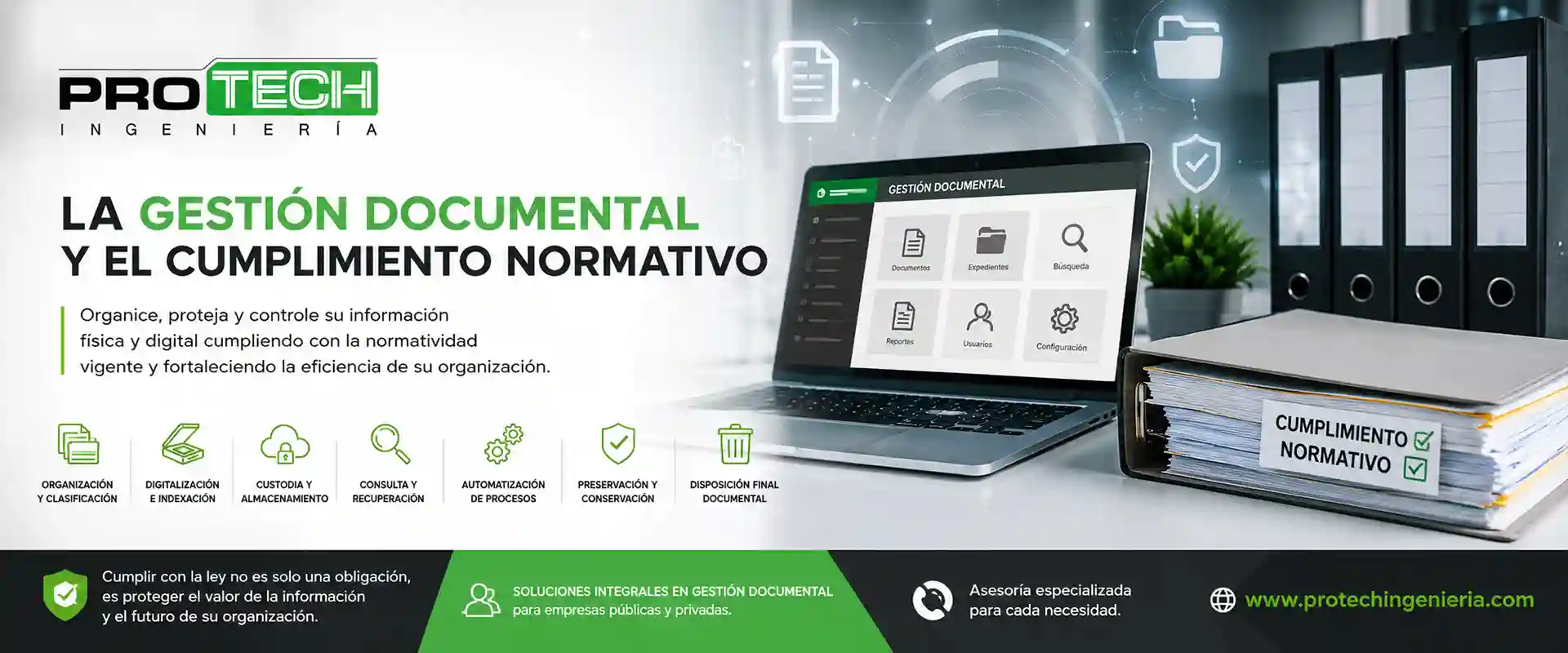



In today’s business environment, where information has become organizations’ most valuable asset, having an efficient document management system is a key factor for competitiveness. Document digitization has moved from being a technological option to becoming a strategic necessity, as it allows workflow optimization, operational cost reduction, and ensures information availability. Understanding the steps to transform physical files into digital formats is essential for any company seeking to evolve toward a more agile, sustainable, and secure document management model.
Digitization within Document Management
Document management encompasses the complete lifecycle of documents: from creation or receipt, through organization, consultation, storage, and final disposition. In this context, digitization represents a crucial stage, as it facilitates the transition from physical files to digital ones, allowing information to be managed through technological platforms and automated systems.
Document digitization is not limited to scanning papers or converting files into PDF format. It is part of a comprehensive document management strategy, where each document gains functional value within business processes. Properly applying the steps to transform files into digital formats establishes an environment where information is accessible, secure, and easily manageable.
What Does Document Digitization Involve?
Digitizing documents involves converting the information contained in physical media, such as folders, books, or files, into structured digital files that can be consulted, edited, and shared within electronic systems. This process not only optimizes document organization but also ensures the long-term preservation of information and reduces risks associated with physical deterioration or document loss.
Each digitized document becomes part of a larger system: the Document Management System (DMS). This system allows the application of filing policies, version control, access level definition, and the establishment of digital workflows. Therefore, the steps to transform files into digital formats must follow technical and regulatory standards that ensure the authenticity, integrity, and availability of information.
The Importance of Digitization in Organizations
In a context where digital transformation drives corporate strategies, document digitization represents a fundamental tool for improving efficiency and productivity. Companies that correctly implement the steps to transform physical files into digital formats achieve:
- Reduced time spent searching for information.
- Minimized physical space required for filing.
- Strengthened data security.
- Facilitated remote work and team collaboration.
- Compliance with legal and regulatory requirements for document retention.
Additionally, document digitization contributes to environmental sustainability by reducing paper and office supply consumption. Adopting technologies that promote paperless management is now a practice aligned with the Sustainable Development Goals (SDGs) and corporate responsibility.
Steps to Transform Files into Digital Formats
The digitization process must be carefully planned to ensure its effectiveness and to preserve the legal and informational value of the documents. Below are the main steps to transform physical files into digital formats, from planning to the secure management of digital information.
1. Project Assessment and Planning
Before starting any digitization process, it is essential to conduct a document audit. This step involves identifying the types of existing documents, their volume, their administrative or legal value, and the objectives to be achieved. Planning includes defining document management policies, selecting technological tools, and allocating human and technical resources.
A proper assessment allows organizations to set priorities and establish the steps to transform physical files into digital formats in an organized and coherent manner, aligned with the organization’s needs.
2. Preparation of Physical Documents
Document preparation is a key stage in document management prior to scanning. This step involves removing elements such as staples, paper clips, or adhesives that could interfere with the process. It also ensures that documents are complete, legible, and classified according to their type or category.
This phase guarantees that the digital workflow starts without interruptions and that the steps to transform physical files into digital formats maintain the quality and consistency of the information.
3. Scanning and Digital Conversion
Scanning converts physical documents into digital images. At this stage, high-resolution scanners are used to accurately capture every detail of the document. The most common formats are PDF, TIFF, or JPEG, depending on the intended use of the file.
In modern document management, it is recommended to complement this step with Optical Character Recognition (OCR) tools, which convert images into editable text. This facilitates the search and retrieval of information within document management systems, making the steps to transform physical files into digital formats more productive and automated.
4. Indexing and Metadata
Once digitized, documents must be indexed by assigning metadata. This metadata includes information such as the document name, date, author, responsible department, or type of procedure. This structure is essential for achieving proper document organization and enabling fast and accurate searches.
Indexing is one of the most important steps in transforming physical files into digital formats, as it turns information into an accessible and manageable resource within a digital system.
5. Secure Storage and Electronic Management
After digitization, files must be stored on cloud platforms with high security standards. These systems ensure the availability of information, version control, and access traceability.
Additionally, they allow the implementation of document security policies, such as backups, data encryption, and user authentication. Implementing these mechanisms is essential in the steps to transform physical files into digital formats, ensuring that information remains protected and accessible only to authorized personnel.

Benefits of Following the Steps to Transform Files into Digital Formats
Properly implementing the steps to transform files into digital formats offers tangible benefits for organizations:
- Physical space savings: unnecessary paper files and furniture are eliminated.
- Remote access to information: employees can consult documents from anywhere.
- Increased productivity: time spent on searches and administrative tasks is reduced.
- Security and traceability: digital systems allow access control and record every action.
- Regulatory compliance: facilitates the adoption of policies aligned with Law 594 of 2000 and other decrees regarding document management in Colombia.
- Environmental sustainability: reduces paper usage and the waste generated.
In summary, these benefits reinforce the importance of integrating the steps to transform files into digital formats within a comprehensive document management and digital transformation strategy.
Tools and Technologies That Facilitate Document Digitization
To optimize digitization processes, companies can rely on various technological solutions:
- Document Management Systems (DMS): software that allows for the classification, storage, and control of digital documents.
- Cloud platforms: ensure remote access and simultaneous collaboration.
- Automation through artificial intelligence: enables pattern recognition, document classification, and automatic data extraction.
- Advanced OCR: transforms scanned text into editable content.
- Version control and audit systems: ensure document integrity and traceability of changes.
These tools strengthen each step in transforming files into digital formats, making document management more efficient, transparent, and scalable.
The Future of Document Management: Towards Automation and Analytics
The document digitization is just the beginning of a broader process: document automation. Nowadays, many organizations are integrating intelligent systems that allow automatic document classification, duplicate identification, application of digital signatures, and the generation of analytical reports on information usage.
The combination of artificial intelligence (AI), big data, and document analytics will enable companies not only to digitize their files but also to extract strategic value from the information contained within them. Thus, the steps to transform files into digital formats will evolve into fully automated processes, capable of improving decision-making and organizational efficiency.
Take the next step towards your company’s
digital transformation
If your organization still relies on large volumes of physical documents, it’s time to make the leap toward efficiency. Document digitization is not just a technological upgrade—it’s an opportunity to enhance productivity, security, and information control. By taking steps to transform files into digital formats, your company can optimize internal processes, reduce operational costs, and ensure real-time traceability of every document.
Start today!
The time to move forward is now! Trust experts in document digitization and allow your organization’s processes to evolve with secure, fast, and tailored solutions that meet your needs.