


The digital transformation is progressing at a rapid pace, and document management has become a strategic pillar for companies of all sizes. In this context, the comparison between physical and digital archives is not just a technical debate, but a decision that directly impacts an organization’s efficiency, security, and competitiveness. Each archiving model addresses different needs, and understanding their differences is essential for making informed decisions on how to manage corporate information. Hence, the concept of physical and digital archives is increasingly mentioned in corporate processes.
Many organizations face the dilemma of which type of archive to prioritize in their document management system. Some continue to rely on physical archives for their tangibility, while others choose digital archives due to their advantages in accessibility, organization, and security. Beyond personal preferences, the choice depends on specific needs, the sector in which the organization operates, and regulatory requirements. In this article, we will delve into the differences between physical and digital archives in document management, their benefits, limitations, and the impact they have on information administration. This analysis of physical and digital archives allows companies to better visualize the scenarios they face.
Fundamental differences between physical archives and digital archives
The main distinction between the two archiving models in document management lies in their medium and storage method. The debate between physical and digital archives focuses precisely on this aspect.
- The physical archive is stored on paper, within shelves, cabinets, folders, or boxes, requiring a specific physical space.
- The digital archive, on the other hand, is stored on electronic devices, servers, or cloud platforms, eliminating the need for large storage spaces.
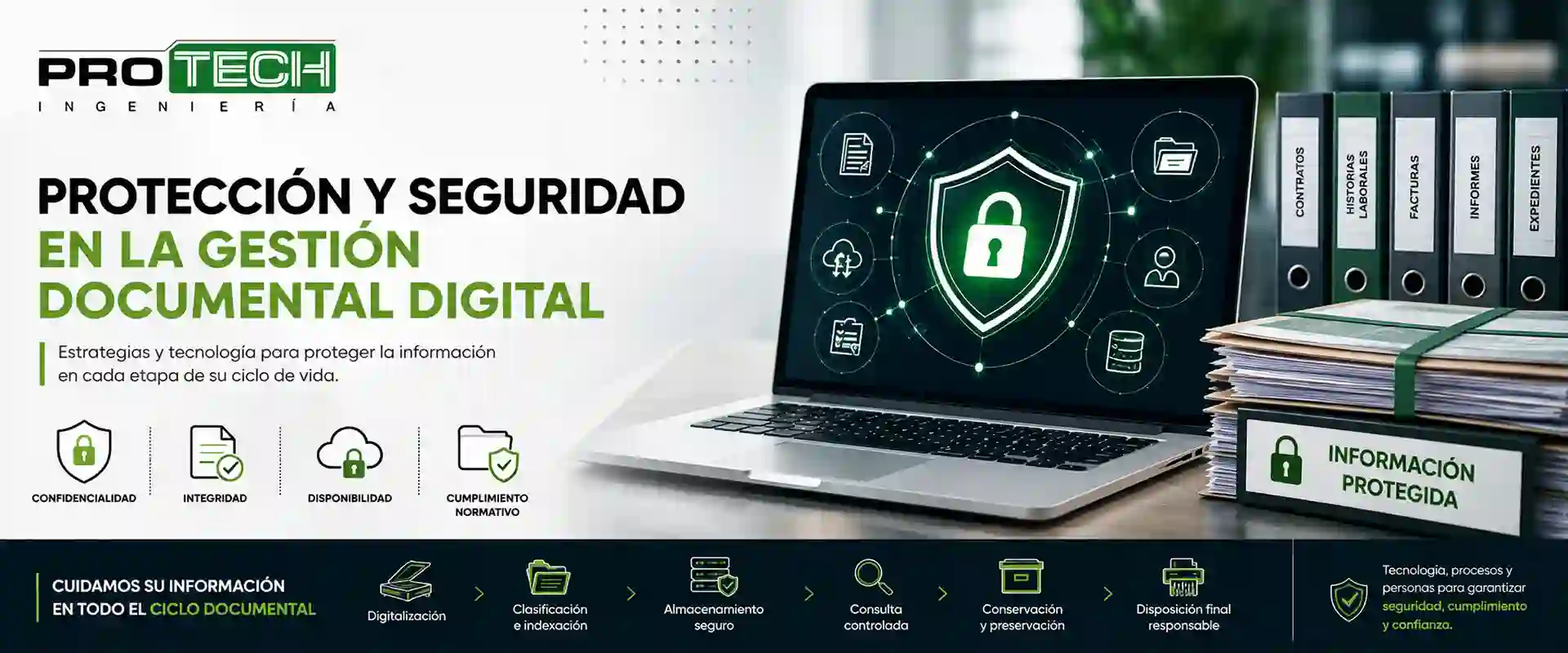
This means that physical archives are more vulnerable to external risks such as fires, humidity, or accidental loss, while digital archives face risks related to cybersecurity or technical failures. Therefore, when analyzing physical and digital archives, it is essential to also assess information security.
In terms of space and organization, the difference is significant. Physical archives require a constant investment in storage rooms, archive halls, or document warehouses. In contrast, digital archives optimize space and allow access to documents regardless of location, which is fundamental in document management. Here, the advantage of digital archives becomes clearly evident within the context of physical and digital archives.
Additionally, the ability to share information is another key point. A physical archive is difficult to transport or share simultaneously, whereas a digital archive can be distributed in seconds among different users, fostering collaboration and productivity. This comparison highlights one of the reasons why physical and digital archives are at the center of business decisions.
What is a physical archive in document management?
The physical archive is the traditional method that has accompanied organizations for centuries. It involves the custody of documents on paper, stored in physical spaces designed to preserve records. Despite technological advances, it still holds relevance in document management for sectors where the original paper format is indispensable. Even in the analysis of physical and digital archives, this model remains essential in various environments.
Advantages of the physical archive
- Tangibility and Legal Value: Physical documents can be touched, signed, and presented as evidence, providing confidence and legal security in sectors such as legal, healthcare, or public administration.
- Technological Independence: It does not require computer systems, internet connection, or electricity. This makes it useful in rural areas, emergency contexts, or situations where digital infrastructure is limited.
- Cultural Acceptance: Many people still associate physical documents with greater authenticity and reliability, which maintains their relevance in certain institutions.
Disadvantages of the physical archive
- Space Consumption: As documentation grows, so does the need for storage, leading to high costs.
- Difficulty in Searching: Locating a specific file can take hours, reducing efficiency in document management.
- Vulnerability: Fires, humidity, pests, natural disasters, or simple human errors can destroy irreplaceable documents.
- Limited Security: Controlling physical access is more complex than in a digital system with user authentication and activity logs.
What is a digital archive in document management?
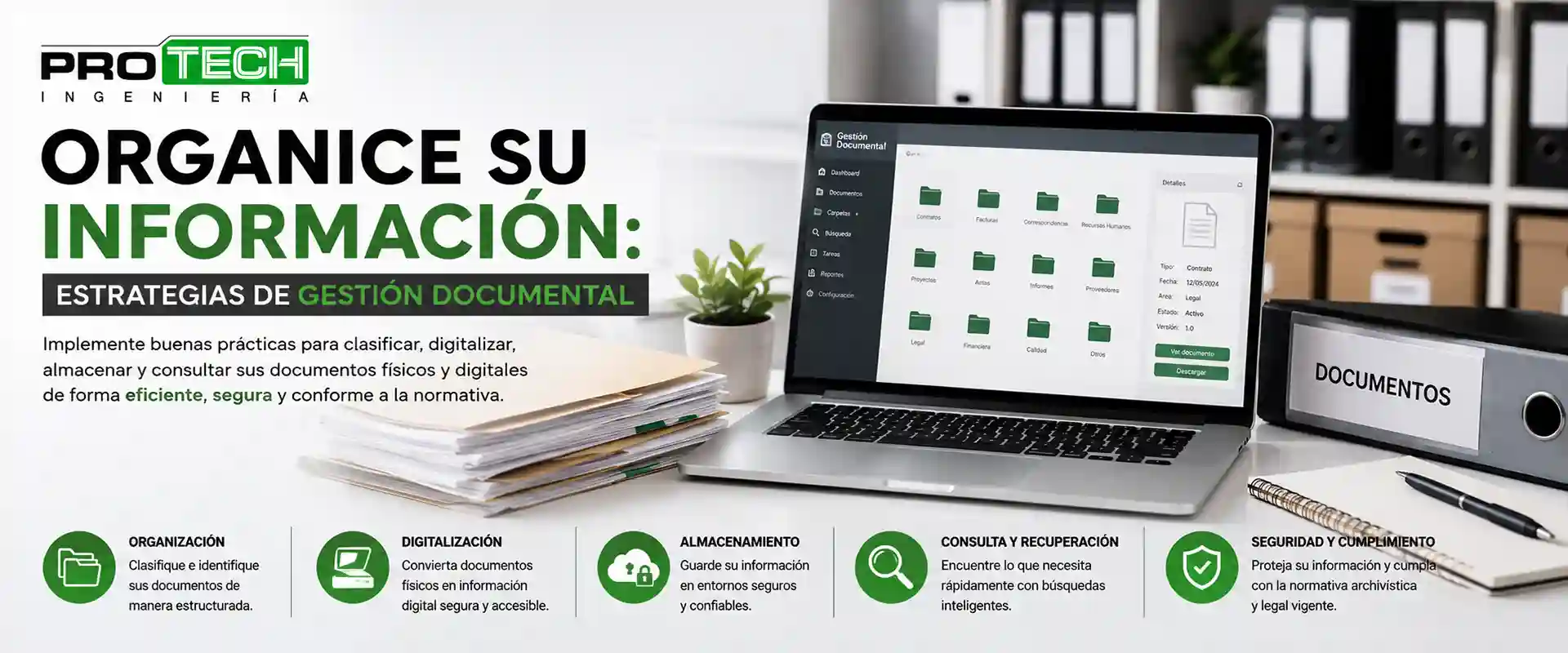
The digital archive represents the evolution of document management toward a more efficient, flexible, and technology-aligned model. It is based on storing documents in electronic format through computer systems, databases, and cloud services. In the debate between physical and digital archives, this model is considered a modern solution that meets the needs of business agility.
Advantages of the digital archive
- Immediate Accessibility: It allows information to be retrieved with a click, using filters or advanced searches that optimize time and productivity.
- Space and Cost Savings: By eliminating the need for physical storage, organizations can reduce expenses and optimize their facilities.
- Real-Time Collaboration: Multiple people can view and edit documents simultaneously from anywhere in the world, fostering networked work.
- Advanced Security: Through encryption, backups, authentication, and user traceability, the digital archive provides protection levels that surpass traditional systems.
- Sustainability: Reducing paper use contributes to environmentally responsible business practices.
Disadvantages of the digital archive
- Technological Dependence: Constant investment in equipment, software, maintenance, and staff training in digital document management is required.
- Cyber Risk: Digital archives are vulnerable to cyberattacks, requiring ongoing cybersecurity measures.
- Constant Updating: Technologies evolve rapidly, forcing companies to adapt to avoid falling behind.
Comparison Between Physical and Digital Archives
Below is a comparative overview of their characteristics in document management, which helps to better understand the approach of physical and digital archives.
| Criteria | Physical Archive | Digital Archive |
|---|---|---|
|
Remote Accessibility |
Limited |
High, from anywhere |
|
Document Security |
Vulnerable to physical damage |
High with security systems |
|
Storage Costs |
High and increasing |
Lower in the long term |
|
Preservation |
Limited, environment-dependent |
Extended with ICT protocols |
|
Collaboration |
Difficult, not simultaneous |
Immediate and global |
|
Operating cost |
Medium to long term |
Low to long term |
|
Legality |
High as original |
Variable according to regulations |
Document Management as a Decisive Factor
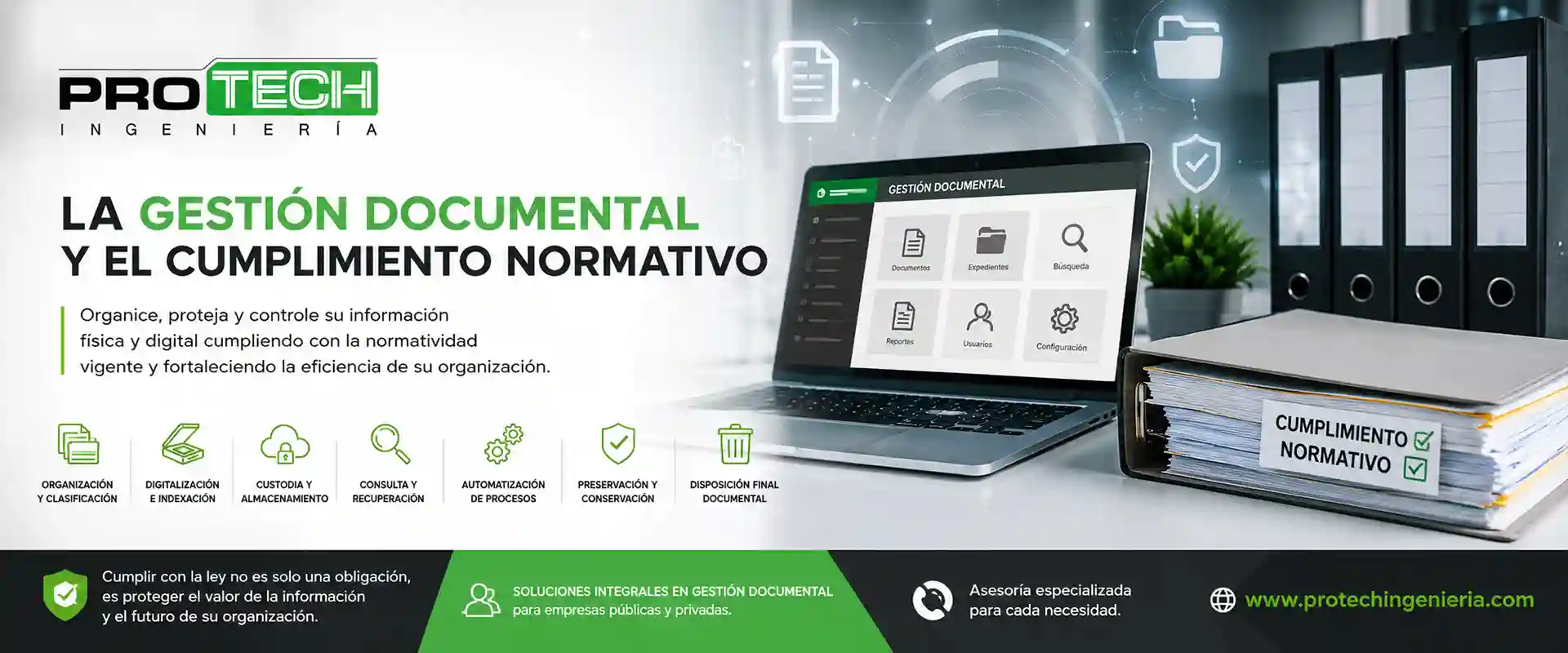
The choice between physical and digital archives is not absolute. Many organizations opt for a hybrid model, where document digitization coexists with the preservation of essential physical archives. In document management, what matters is not just the medium but the strategy that ensures security, accessibility, and regulatory compliance. Therefore, analyzing physical and digital archives becomes a crucial step for every modern company.
The transition to digital archives usually occurs when a company recognizes that managing large volumes of paper information is inefficient. By migrating to digital environments, document management becomes more agile, scalable, and suited to a globalized world. This shift within the context of physical and digital archives has proven decisive across multiple sectors.
For example, digital records allow authorized users to access them from anywhere in the world, which is essential for multinational companies. Additionally, digital archives facilitate interconnection between information systems, improving decision-making and responsiveness to clients and regulators.
A good example of this trend can be seen in the United States, where the National Archives and Records Administration (NARA) reported “encouraging” progress toward fully electronic records management, reducing paper dependence in federal agencies.
Who Should Consider Digital Transformation in Document Management?
Any organization that aims to grow and compete in today’s market should evaluate digital transformation in its document management. Entities in the financial, educational, healthcare, legal, and corporate sectors find digital archives to be an indispensable tool for improving processes, reducing risks, and optimizing costs. Within the analysis of physical and digital archives, these industries stand out as pioneers in transitioning to digital environments.
Physical archives will continue to have a place in document management, especially regarding documents with evidentiary value or specific regulatory requirements. However, the global trend indicates that digital archives will become the foundation of future document management, allowing organizations to be more flexible, secure, and sustainable. This reinforces the importance of analyzing physical and digital archives as part of a business strategy.
Current Trends in Document Management
Beyond the differences between physical and digital archives, it is important to consider that document management is constantly evolving due to new technologies. Today, concepts such as mass document digitization, document process automation, use of artificial intelligence, and cloud storage are trends shaping how companies manage their information. These trends further enrich the analysis of physical and digital archives.
Organizations are no longer just looking to store documents; they aim to optimize the document lifecycle, from creation to final disposition. Digitization not only saves space but also ensures full traceability of information, strengthens data security for sensitive information, and complies with regulations related to document custody.
Another relevant trend is the integration of document management systems with other corporate programs, such as human resources platforms, CRM, or ERP, allowing documents to become a living resource that feeds real-time decision-making. Once again, these transformations emphasize the need to address the comparison between physical and digital archives as a key strategy in business evolution.
Don’t let your company fall behind in an increasingly competitive and globalized world.
Every day, paper information takes up more space, consumes more resources, and exposes companies to risks of loss or damage. In contrast, transitioning to a digital system provides immediate accessibility, advanced security, cost reduction, and sustainability.
Start today!
Assess your document management needs and invest in a model that combines the best of both worlds to ensure efficiency, regulatory compliance, and information protection.