

In the field of document management, one of the greatest challenges organizations face is efficiently controlling access to, lending, and return of records, both physical and digital. When these processes are carried out manually, the risk of loss, delivery delays, or unauthorized access increases significantly. In this context, implementing a document loan module becomes a key solution to optimize workflows, strengthen security, and ensure traceability of every movement related to the company’s documents.
A document loan module not only digitizes the receipt and handling of record requests, but also provides an organized and secure ecosystem to control the life cycle of each loan. Its integration into a document management software represents a strategic shift that directly impacts organizational productivity and the quality of service delivered.
What is a document loan module and why is it important?
A document loan module is a technological tool designed to record, manage, and track all file requests. Whether dealing with physical documents that require controlled delivery or digital files that can be uploaded to the platform, this module ensures that each loan is properly documented, accessible only to authorized users, and available within an organized workflow.
In terms of document management, its importance lies in transforming a previously manual and fragmented process into a centralized digital operation that not only saves time but also reduces risks such as document loss, non-compliance with archival standards, or unauthorized access. By implementing this solution, organizations achieve greater control over information and ensure the integrity of their records.
Main functionalities of the document loan module
The strength of a document loan module lies in its functionalities, which range from security to traceability:
User management and access control
Each user registered in the system can be assigned a specific role. For example, a consultation-only user may only perform searches and view limited information, while an administrator has the ability to authorize loans, upload documents, and configure system parameters. This role-based structure enables strict document access control and helps prevent risks such as information leakage or improper data manipulation.
Request intake and tracking
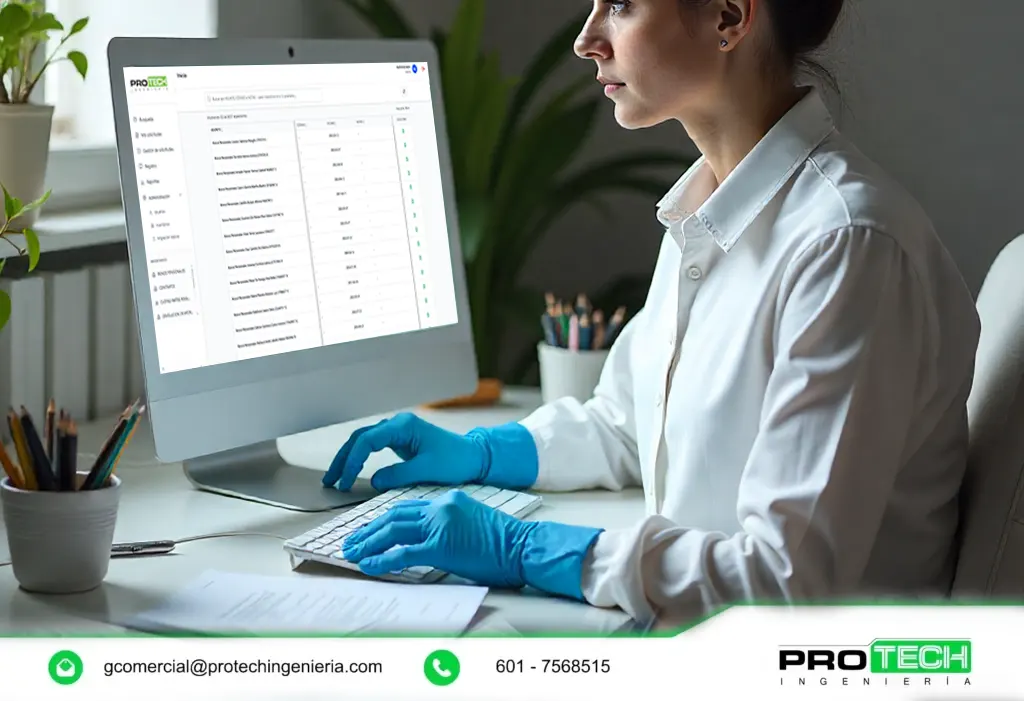
The module centralizes all requests within a single dashboard, making it easier for the records or archives department to review and manage each request. Every request includes detailed information about the required file, its processing status, and any recorded notes. This centralized tracking improves process efficiency and ensures that no file is left unattended or unaccounted for.
File metadata visualization
Cada documento o expediente cuenta con una ficha que presenta datos clave: fecha de creación, serie y subserie documental, oficina de origen y asunto. Estos metadatos simplifican la identificación y evitan errores en la entrega. Desde la perspectiva de la Document Management, este punto es esencial para mantener un orden estructurado.
Traceability in document management
Every action performed is recorded in the system: who requested the file, when it was approved, the delivery date, and when the loan was returned or closed. This traceability in document management not only enables internal audits but also ensures transparency and compliance with archival regulations.
Security in document lending
Digital files can be uploaded in secure formats (for example, PDF) and will only be accessible to authorized users. This level of security in document lending minimizes the risks of manipulation or loss of sensitive information, especially in sectors that handle confidential data such as healthcare, the justice system, or banking.
Benefits of implementing a document loan module
Adopting a document loan module within document management offers multiple advantages:
-
Centralized organization
All loans are managed from a single platform.
-
Greater efficiency
Search and delivery times for files are reduced.
-
Enhanced security
Role-based access control ensures that only authorized individuals can consult or receive documents.
-
Complete traceability
A record is kept of every movement, which facilitates audits and controls.
-
Flexibility
It works for both physical and digital file loans.
-
Regulatory Compliance
It helps organizations comply with archival standards and regulations.
These benefits have a direct impact on productivity, improve service for internal and external users, and position the organization as an efficient entity in the management of its information.
Step-by-step process for using the module
The operation of the document loan module is intuitive and designed to facilitate each stage of the loan cycle:
- Request registration: An authorized user submits their request in the system.
- Request review: The responsible party verifies the availability of the file and the entered information.
- Request fulfillment: The physical document is delivered or the digital version is uploaded to the platform.
- Delivery record: The system logs the date, time, and responsible user.
- Loan closure: Once the file is returned, the request is formally closed and recorded.
This workflow ensures that each loan follows a standardized process, with no informal steps or loss of control, thereby strengthening document management.
Sectors that benefit from this solution
In Colombia, various entities already apply formal document loan procedures. The Senate of the Republic, for example, has an official procedure that regulates each stage of file lending, ensuring traceability and access control. Likewise, the Ministry of Health has established a protocol with maximum loan periods and return records. Even regional governments, such as the Tolima Governor’s Office, have begun agreements to modernize their document management through projects that strengthen archive organization and information security. These cases demonstrate how document lending is a key practice within institutional document management and how a specialized module can facilitate its digital implementation.
The usefulness of a document loan module extends across multiple sectors:
- Public entities: which require transparency and control over their central archives.
- Private companies: with large volumes of documents that must handle frequent internal requests.
- Educational institutions: that need to manage historical or academic records.
- Clinics and hospitals: where medical records must be available with security and traceability.
- Law firms: that handle confidential client files and legal proceedings.
Each sector finds in this tool a strategic ally for consolidating agile and secure document management.
Impact on process optimization
Beyond organization, a document loan module delivers real value to the optimization of document processes. Time that was previously spent locating files is now significantly reduced thanks to digital centralization. Those responsible no longer rely on manual methods such as control sheets or scattered emails, but instead have a single dashboard that provides a comprehensive view of all requests.
This optimization not only results in time and cost savings, but also in greater user satisfaction, as requested documents are delivered more quickly and with higher reliability. In this way, document management shifts from being a reactive area to becoming a driver of efficiency.
How to choose the best document loan module
When implementing this solution, it is advisable to take into account factors such as:
- Integration with existing document management systems.
- Ease of use for different user profiles.
- Ability to generate reports and statistics on loans.
- Security options and data backup.
- Scalability to adapt to the organization’s growth.
Selecting a document loan module with these characteristics ensures not only a strong start, but also a sustainable long-term implementation in terms of document management.
Document management evolves with technology
The adoption of a document loan module represents a firm step toward modernizing document management within organizations. This tool not only streamlines the administration of file requests, but also ensures traceability, access control, efficiency, and regulatory compliance.
In an environment where information is one of the most valuable assets, implementing this type of solution is not a luxury, but a necessity to ensure competitiveness and institutional security.
Are you ready to transform the way your organization manages document loans?
Don’t let manual processes continue to consume time and resources. With our document loan module, you can gain full control over every request, improve process efficiency, and ensure the security of your information.
Start today!
Discover how this solution can be integrated into your document management system and become a benchmark for efficiency and security in document handling.