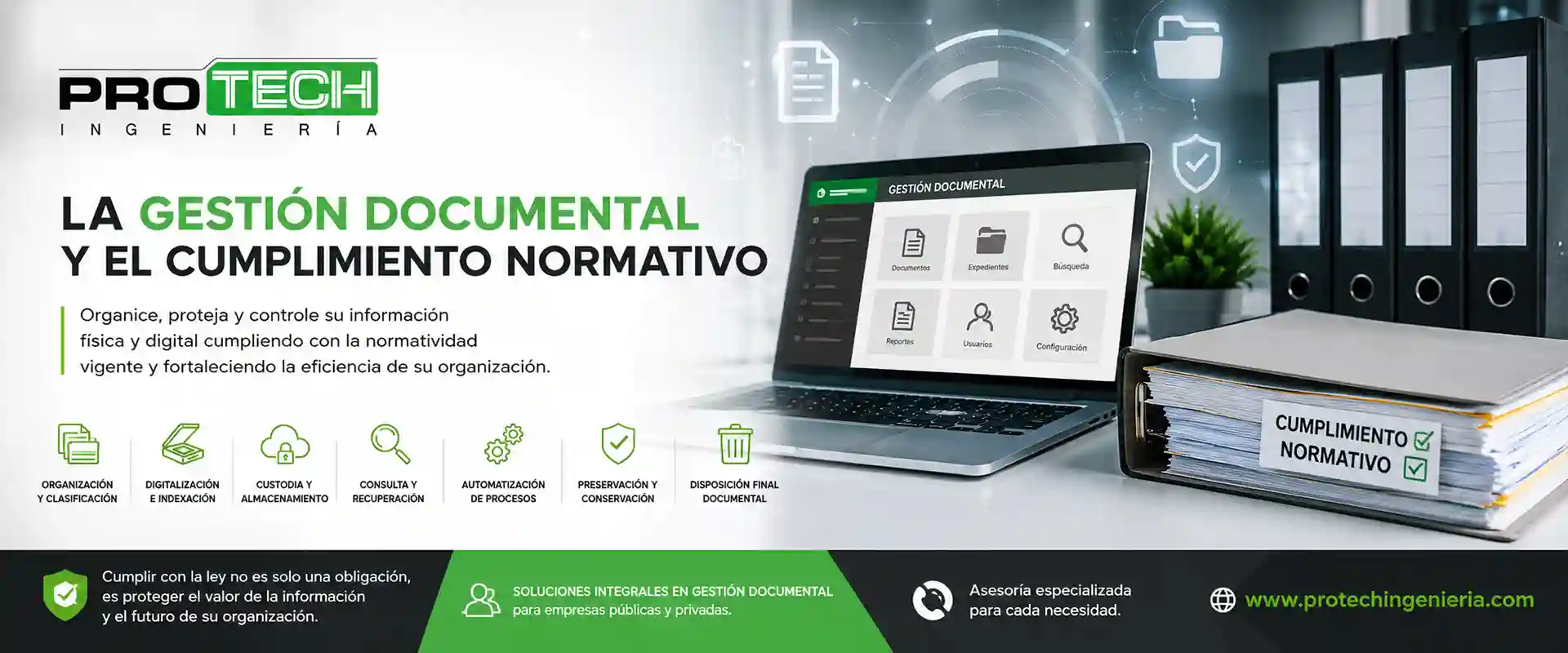



The business environment is evolving at an unprecedented pace, and it is clear that companies that fail to adapt to digital transformation risk losing relevance in the market. The coming years, particularly 2025 and 2026, will mark a turning point for those who wish to remain competitive in a world where interconnection, efficiency, and innovation are no longer optional but essential. In this context, digitalization for companies has become a central pillar that directly impacts how organizations manage their information and handle their processes.
What does it mean to digitize a business through document management?
Business digitalization is not limited to simply having an online presence. It goes much further — it involves integrating digital technologies into every area of the organization and, particularly, into document management. This ensures that processes related to filing, searching, controlling, and preserving information are carried out more efficiently and securely.
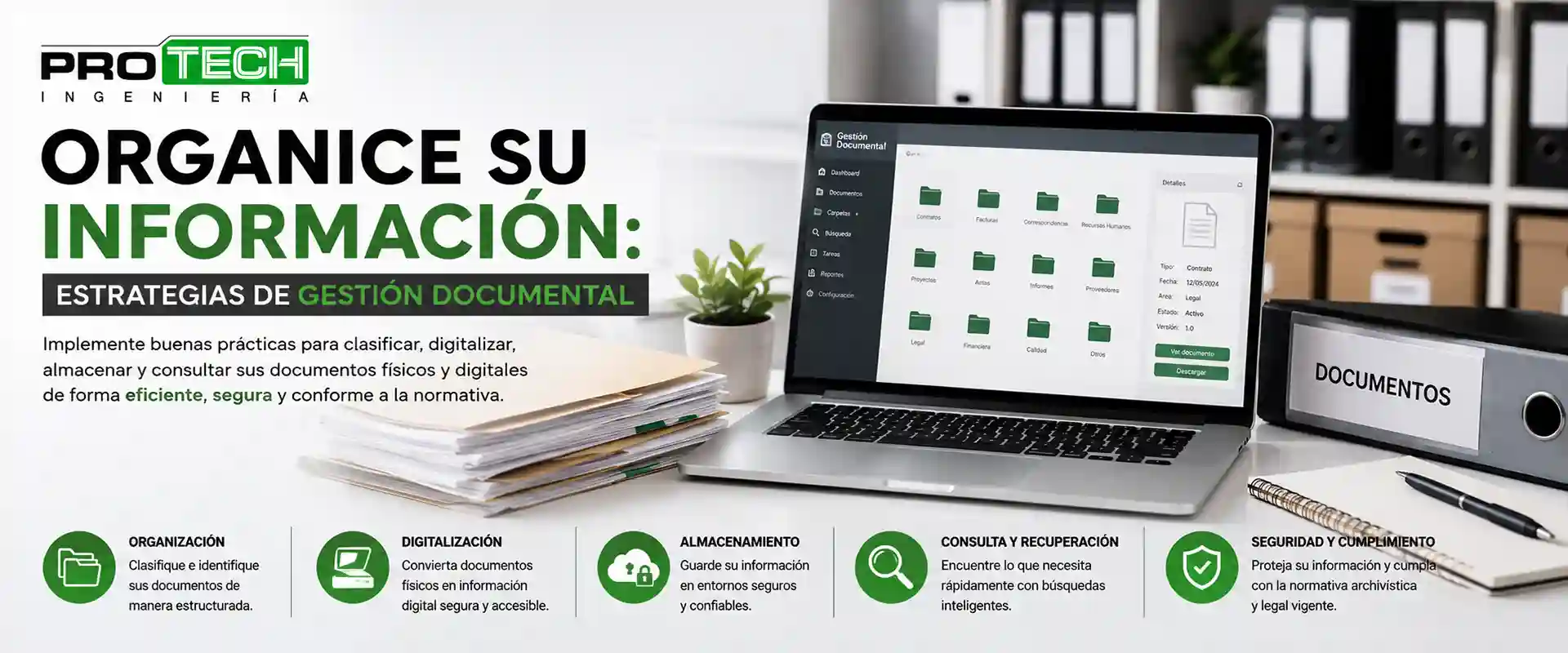
This process represents a cultural transformation within organizations, requiring a rethinking of how work is done, questioning established practices, and embracing innovative methodologies. Digitizing documents does not only mean converting them into a digital format, but also integrating them into management systems that enable immediate access, version control, traceability, and information security.
The digital era: an unavoidable necessity
Today, business digitalization is no longer a topic of the future — it has become the norm. Statistics show that more than 80% of consumers research products and services online before making a purchase decision. A company without a digital presence, or one that still relies on manual processes for managing its documents and operations, is missing valuable opportunities for growth and customer loyalty.
Operational efficiency and cost reduction
One of the most notable benefits of business digitalization is the optimization of internal processes. Digital tools make it possible to automate routine tasks, reduce manual workload, and free up staff to focus on strategic activities.
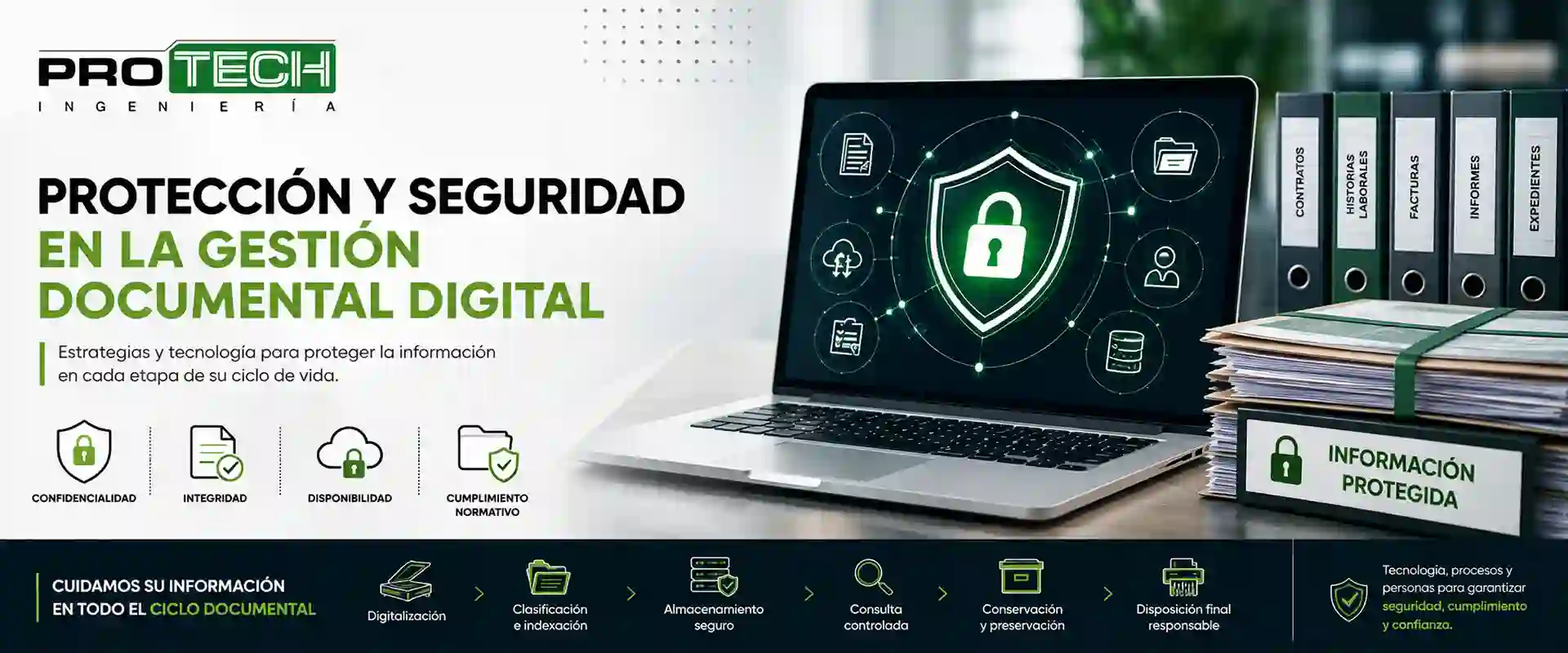
In the field of document management, for instance, having electronic systems to organize contracts, invoices, files, or communications ensures more precise control and minimizes the risk of errors. Furthermore, digitalization simplifies audits, guarantees document traceability, and allows access to information from anywhere in just seconds.
Another key aspect is cost reduction. By eliminating the dependence on physical files and storage warehouses, organizations save on space, infrastructure, and resources previously dedicated to the manual handling of information. Cloud platforms allow large volumes of data to be stored without the need for additional investments in expensive equipment, while simultaneously increasing security and reducing the risk of document loss.
Improving the customer experience
Today’s customers demand speed, personalization, and availability. Business digitalization makes it possible to deliver experiences that align with these expectations.
Through document management and data capture systems, it becomes possible to better understand customer behavior, anticipate their needs, and create tailored solutions. Likewise, implementing digital service channels such as online chats or integrated platforms ensures constant and effective communication, enhancing overall user satisfaction.
When an organization ensures that its information flows in a structured and accessible manner, it also achieves more efficient business and customer service processes. This results in better customer care, greater loyalty, and a sustainable competitive advantage.

Key advantages of business digitalization
-
1. Greater reach:
By digitalizing processes and documents, companies can access global markets and serve clients anywhere in the world.
-
2. Operational efficiency:
Processes are automated, reducing time, costs, and errors in document management.
-
3. Competitiveness:
Digitalized organizations respond more quickly to market demands, delivering personalized experiences available 24/7.
Effective strategies for successful digitalization
Business digitalization requires a strategic approach that encompasses both organizational culture and technological tools. Some key actions include:
- Promoting a culture of innovation and adaptability to change.
- Prioritizing the customer experience and understanding how digitalization enhances their interaction with the company.
- Automating administrative and document management processes to free up resources.
- Implementing data analysis to guide business strategy.
- Adopting mobile solutions that enable real-time information management from anywhere.
In the field of document management, these strategies translate into systems that centralize files, ensure secure access, and allow information to be integrated into the organization’s overall workflow.
Digitalization in the Fourth Industrial Revolution
We are living in the Fourth Industrial Revolution, a period characterized by the fusion of digital, physical, and biological technologies. Within this context, business digitalization stands as an essential pillar.
The use of artificial intelligence enables the analysis of large volumes of information, the automation of processes, and the delivery of personalized solutions to clients. The Internet of Things facilitates connectivity between devices to collect real-time data, while big data allows organizations to identify patterns and opportunities in both business and document management.
Cloud computing has transformed file access, making it possible to consult documents from anywhere without the need for physical storage. Meanwhile, robotics — when applied to repetitive processes — helps boost productivity in areas such as logistics and document management.
Customer- and information-centered companies
At the core of any business strategy lies the customer, but meeting their expectations effectively requires efficient information management. This is where business digitalization becomes a key tool.
Thanks to document digitalization, companies can:
- Gain in-depth knowledge of their customers through data analysis and management systems.
- Personalize services and products based on up-to-date information.
- Improve communication through digital platforms that enable immediate contact.
- Provide 24/7 support without interruptions.
- Increase customer loyalty through reliable and personalized experiences.
Transformation cases in small and medium-sized enterprises (SMEs)
Numerous SMEs have successfully optimized their operations through **business digitalization**. For example, a retail store can integrate an online point-of-sale system that automatically synchronizes inventory with its e-commerce platform. This improves stock management and streamlines the shopping experience.
Similarly, service companies have adopted automation software to manage projects, clients, and documents more efficiently. The result is better time utilization and an increased capacity for responsiveness.
In the case of document management, digitalization enables the organization of files, reduces paper usage, facilitates audits, and increases the security of sensitive information. By digitalizing invoices, contracts, or files, organizations achieve more reliable and sustainable processes while positively impacting productivity.
Contact us today and take the step toward a safe and effective
digital transformation.
Start today!
Boost your organization's competitiveness through business digitalization. Optimize document management, reduce costs, and ensure efficient information control.